
Outstanding history lessons
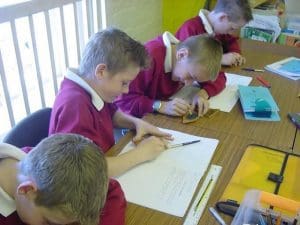 When talking to a highly talented history teacher recently he said, “I really wish I had had a site like this when I started teaching”.
It hasn’t done him any harm, I must say, but his view is symptomatic of a wider issue. There is plenty of theoretical advice out there, but very few people are willing to say ‘this is really good, why not try it and develop it”. We exchange materials, activities and ideas, but seldom whole lessons. This is what makes the site really useful: strength in depth.
What you’ll find in this section are high quality lessons. These are not just ideas submitted by helpful and effective teachers: they are actual lessons all of which have been quality assured by an experienced history inspector/adviser, (that’s me), or have been judged to be outstanding by OFSTED. I have observed thousands of lessons at Key Stage 3 and 4 and hundreds at Key Stages 1 and 2. This should reassure you that the quality of the lessons will be really high, though this should immediately be obvious! They may have been written in the first person, by the teacher who actually taught the lesson, or more likely, in the third person by the teacher with whom I planned or whose lesson I observed. Sometimes they are the best first part of one lesson added to the best second half of another.
Because the site has uniquely strong links with top-quality practitioners, many of whom are Advanced Skills Teachers or Leading Primary Teachers, the quality of the ideas that appear is exceptionally high. The frequent up-dating of the site ensures that you are kept in touch with the best ideas. Do remember though NOT ALL LESSONS WILL BE LIKE THIS! If you teach some outstanding lessons in a week, and mostly good lessons you can still be an outstanding teacher!
At Key Stage1 you will see that many of the lessons have an explicitly cross-curricular feel to them. They also reflect considerable work that has gone into thinking and enquiry skills. Hardly a worksheet in sight!
At Key Stage 2 you will notice that many of the lessons revolve round strong pupil involvement, often linked to creativity or thinking skills. The lessons are active, the approaches varied and the outcomes imaginative.
One of the strongest features of the Key Stage 3 examples is the emphasis on enquiry. You will see exemplified in these lessons not just the features of the Foundation Strand Strategy but also imaginative approaches to helping pupils grasp complex concepts. You will find a clear focus on pupils making their own meaning and arriving at conclusions having worked with the evidence.
At Key Stage 4 the emphasis is firmly placed on showing imaginative ways of helping students with different preferred learning styles to meet challenging objectives. You will see familiar topics taught in familiar ways but with that extra edge of activity that is so often lacking at Key Stage 4. Students are encouraged to apply new knowledge to form their own understanding, not merely to reproduce it for examination purposes.
Latest outstanding lessons
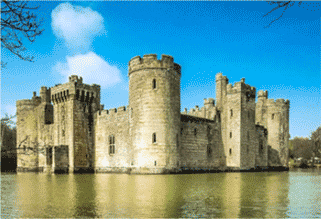
Teaching Local History at Key Stage 2
So, where do we start if we haven’t a clue about Local History? Unlike all other areas of study Local History has no real prescribed content. If you live in…
Read More
Adapting Keystage history lessons – FAQs
1. Why are lessons still called ‘outstanding’? I am often asked how the lessons section of the site should be used and why the term outstanding is still used when…
Read More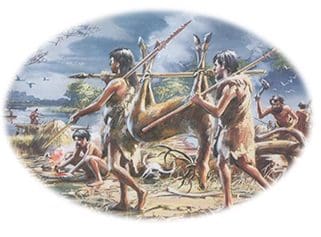
Stone Age to Iron Age – KQ1 – Is it true to say that Stone Age man was just a simple hunter gatherer only interested in food and shelter?
This KS2 outstanding history lesson on the Stone Age revolves around the reveal of an object found at Star Carr in Yorkshire which dates from the Middle Stone Age. It…
Read More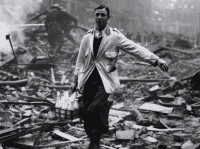
Ideas for teaching the post-1066 thematic unit at Key Stage 2
Whatever you choose to study for your post-1066 thematic unit here are some pointers to help. 1. Try to make as much use as you can of your existing Tudor,…
Read More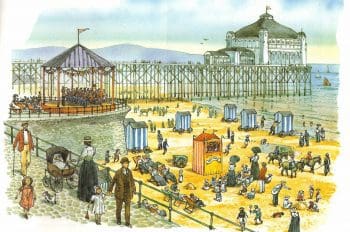
Going to the seaside – KQ2 – What did people do at the seaside 100 years ago?
From mime to movie. SMART TASK This fun activity is carried out by children working on tables of six. Half the class work on one image, the other half on…
Read More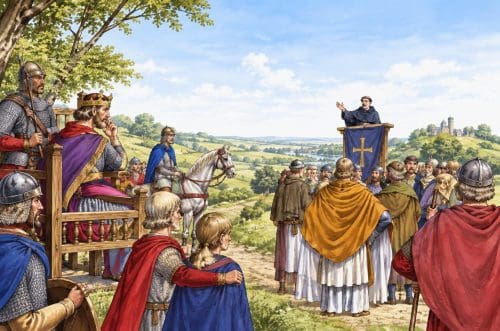
Anglo-Saxons – KQ3 – Coming of Christianity – How did people’s lives change when Christianity came to Britain and how can we be sure?
A series of smart tasks, rather than a full outstanding lesson. The first part of this two part session looks at how it happened, the second at how we know….
Read More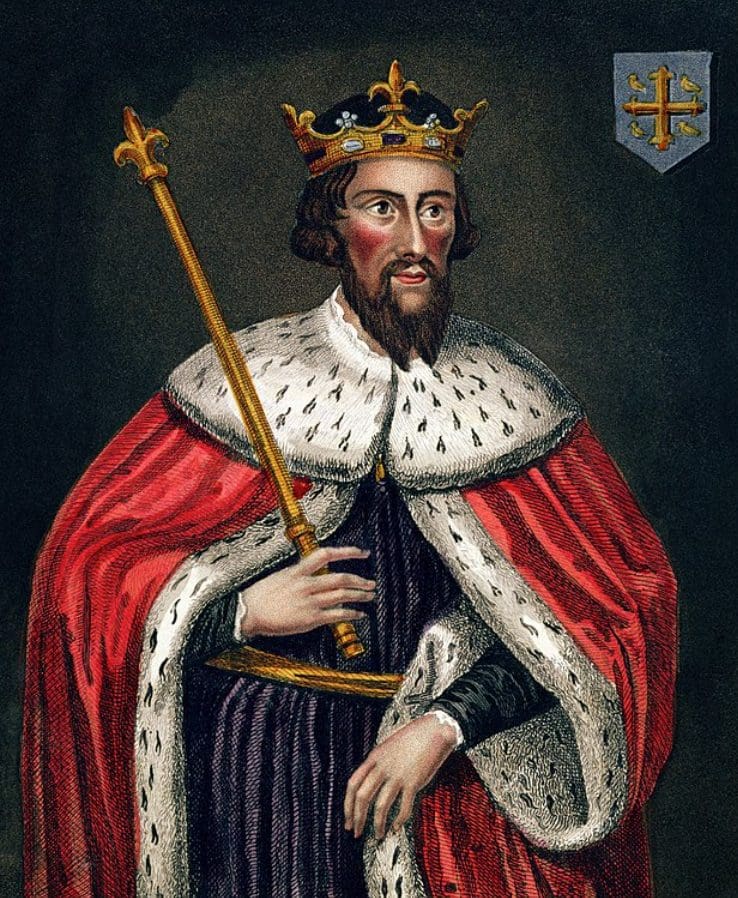
Anglo-Saxons – KQ5 – Alfred the Great. How great was he?
In this outstanding lesson, pupils are asked to critique and then improve the BBC children’s website entry for Alfred the Great. But first they need to see how history has…
Read More
Anglo-Saxons – KQ6 – How effective was Anglo-Saxon justice?
Pupils work in groups to create a series of short dramatic enactments, each of which illustrates a way of keeping law and order / punishments meted out in Saxon times….
Read More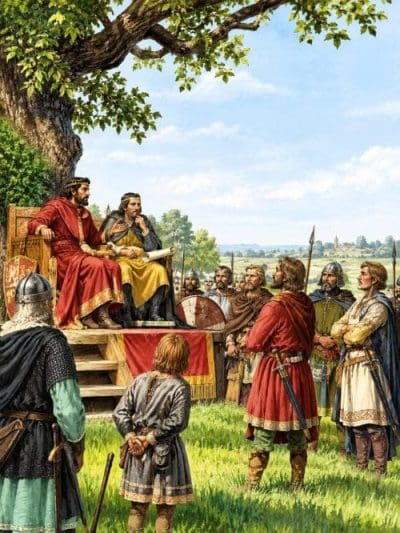
Anglo-Saxons – KQ7 – Were Saxon times really ‘Dark’ Ages?
Pupils design a two-sided paper plate on which they record the arguments used in the debate about the ‘Darkness’ of Saxon Britain. On one side they show the enlightened side…
Read More
Roman Britain – KQ1 part 2 – Why did the Romans invade Britain?
This lesson uses a variety of approaches including role play, decision-making, card sorts, hot seating and completing speech bubbles. The focus is clearly on causation. It follows on from lessons…
Read More
Roman Britain – KQ1 part 3 – The Roman invasion: have the books got it right?
This lesson follows on from the decision-making role play ‘Why did Claudius invade?’ Pupils are now asked to create a written explanation good enough to beat a textbook. To do…
Read More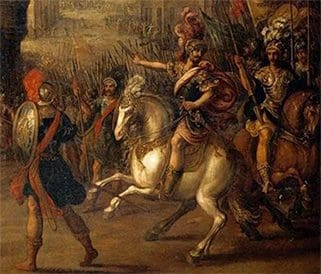
Roman Britain – KQ2 part 1 – Should the Celts take on the Romans? A reconstruction relay.
The Roman Army This highly active, boy friendly activity has proved extremely popular in schools and has led to some high quality learning because the children are fully engaged. The…
Read More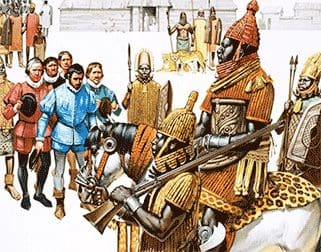
Benin – KQ1 – Why do YOU think we should study Benin in KS2 history? SMART TASK
After setting Benin in its context of place and time, pupils tour a gallery of images which give them hints as to why Benin might be a significant society, worthy…
Read More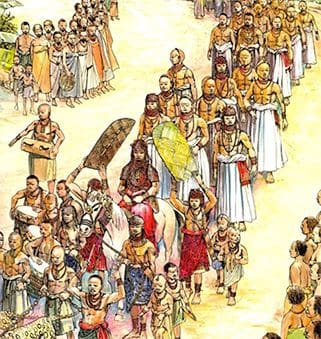
Benin – KQ2 – What sort of place was Benin 500 to 1,000 years ago? SMART TASK
Here pupils are introduced to the idea of a society from a distant time about which very little evidence remains. This can be frustrating for pupils who crave a clear…
Read More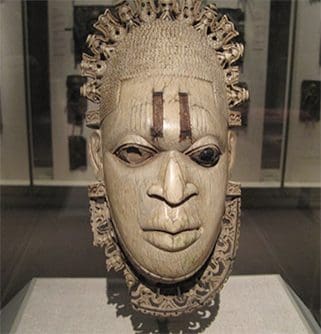
Benin – KQ3 – What can we tell about Benin society at this time from the images and artefacts that have survived?
Using evidence to study Benin This lesson revolves round four principal activities: Fastest Finger First; Mining for meaning, using an artist’s illustration; Call My Bluff which creatively uses images of…
Read More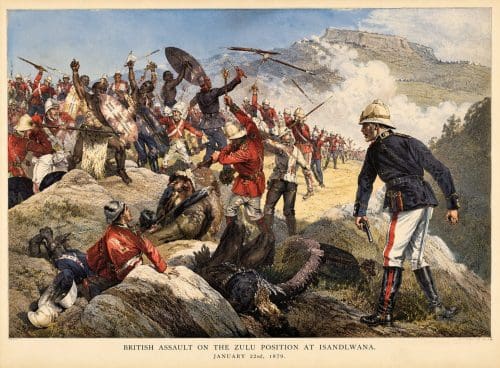
Benin – KQ5 – Why did the Victorians get involved in Benin and what were the effects on the Benin people? SMART TASK
Following an intriguing slow reveal of an interesting Victorian photograph showing the capture of the Oda’s palace in Benin, pupils create their own living graph to show Benin’s changing fortunes…
Read More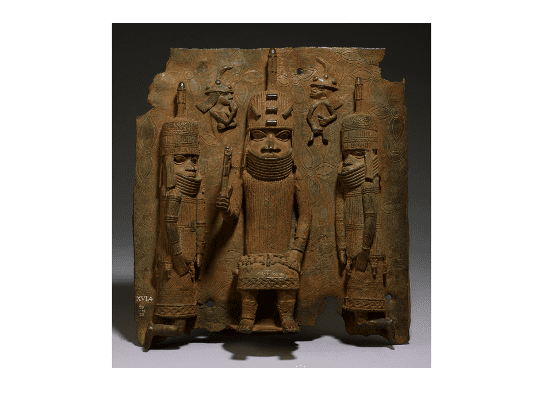
Benin – KQ6 – Should the Benin Bronzes be returned? SMART TASK
This lesson is guaranteed to provoke a lively debate. Armed with all the contextual knowledge they need, and stimulated by some thought-provoking quotations, pupils work in teams to advocate a…
Read More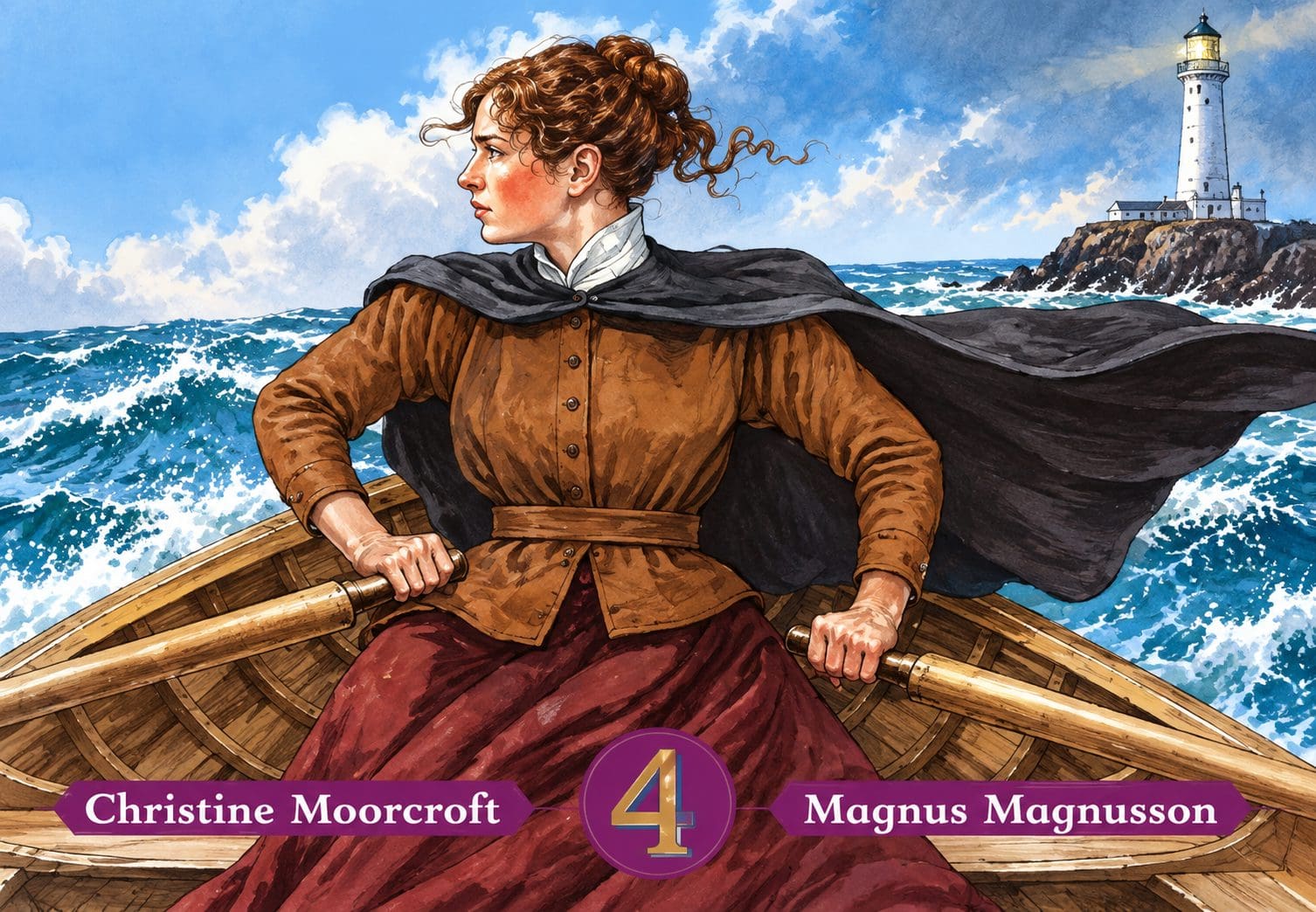
Grace Darling – KQ1 – Setting up the enquiry – What did Grace do that made her famous …and why is she remembered today?
This is the first lesson on an enquiry into Grace Darling: what she did, and why she was famous. The kernel of the lesson is a slow reveal activity which…
Read More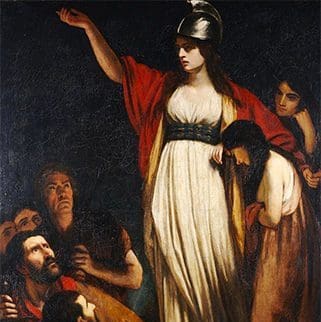
Roman Britain – KQ2 part 2 – Boudicca’s rebellion: from sequencing to living graph
This KS2 lesson on Roman Britain uses the idea of a living graph to see the ups and downs of Boudicca’s life as a way of helping children make sense…
Read More
Roman Britain – KQ2 part 3 – What image do we have of Boudica today?
Key Stage 2 pupils find Boudica fascinating so this is a good context for exploring the tricky ideas of historical interpretations. They start by drawing their own picture of her…
Read MoreRoman Britain – KQ3 – How were the Romans able to keep control over such a vast empire?
This lesson offers considerable variety in terms of learning approaches. Pupils work in tug-of-war teams to represent the differently weighted factors that help to explain why the Romans were able…
Read More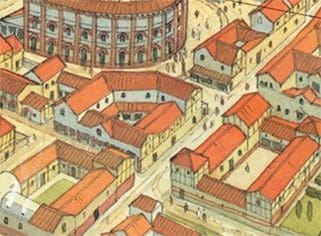
Roman Britain – KQ4 part 1 – Picture this. Creating a group drawing of a Roman town with all key buildings included in the right place
After re-capping the main features of Iron Age settlements, pupils work collaboratively in role as spies trying to find which special buildings the Romans had in their towns. They then…
Read More
Roman Britain – KQ4 part 2 – Is this another Roman villa?
NB. It has been brought to our attention that the link to the video doesn’t work as the video has been taken down by channel 4. As this is an…
Read More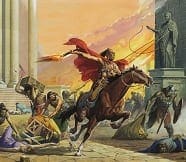
Roman Britain – KQ5 – How can we solve the mystery of why this great 400 year empire suddenly came to an end? Can you make the links?
As this is a brief overview question, without time for much independent research, pupils are introduced to a series of ideas which they have to comprehend, illustrate and then see…
Read More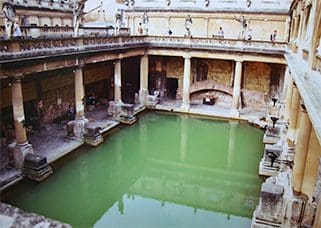
Roman Britain – KQ6 – What have the Romans ever done for us? Under the cloth
This activity is a good fun way of concluding a study of the Romans. It is called ‘under the cloth’. A local museum has sent a display on the Roman…
Read More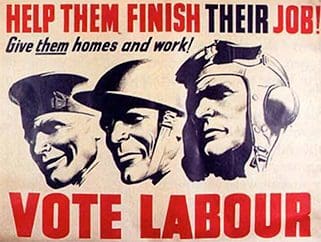
The reasons why Labour won the General Election of 1945.
If Churchill’s popularity rating rarely dropped below 80% during the Second World War, why then was there a landslide victory for Labour in 1945? Building on the obvious paradox of…
Read More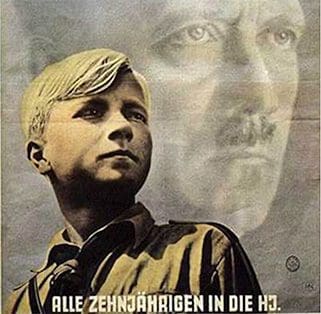
Hitler Youth AS/A2 task
This smart task uses one of the most frequently misunderstood Hitler Youth posters. By taking students through a step-by-step deconstruction of the poster using an animated PowerPoint presentation, students are…
Read More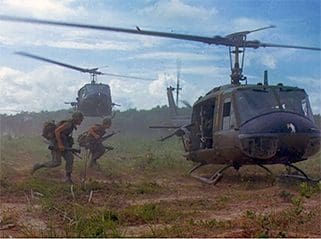
AS SMART TASK Vietnam; why was Rolling Thunder ultimately unsuccessful?
When by the end of 1965 US pilots had flown over 24,000 sortie missions and wiped out 355 of North Vietnam’s ammunition dumps, why then was operation Rolling Thunder ultimately…
Read More
Why was Anne Boleyn executed? Which of these seems most plausible?
In this short task students work out for themselves the key inter-related reasons why Anne Boleyn was executed. Using the influence cards provided (see resources section below) which draw on…
Read More
Teaching Anglo Saxons & Vikings Outstanding lessons for KS2 history
The National Curriculum has afforded separate status for individual units of work on the Anglo-Saxons and Vikings. Whilst this may be applauded in some circles, it has increased the amount…
Read More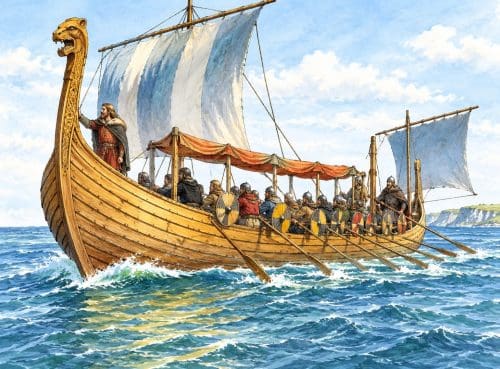
Vikings – KQ1 – What image do we have of the Vikings?
This two part session gives the topic on the Vikings a really active start. Following an introduction to the Vikings in time and place, including a competitive Time Team task,…
Read More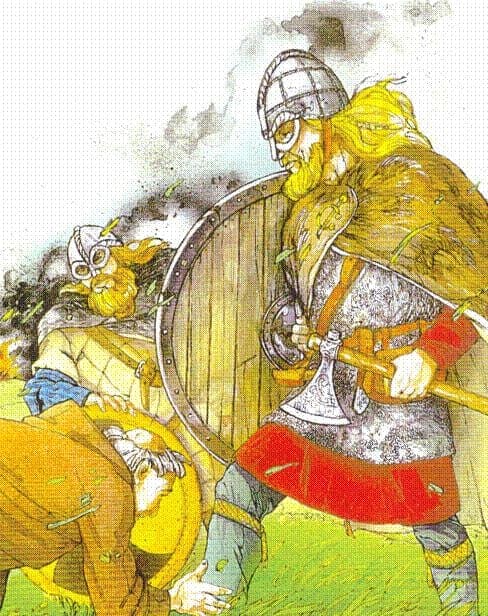
Vikings – KQ2 – Why have the Vikings gained such a bad reputation?
Having explored the nature of the stereotypical Viking image in the first session, it is now time to examine the origins of the image. Pupils compare two very contrasting accounts…
Read More
Vikings – KQ3 – How did the Vikings try to take over the country and how close did they get?
This task encapsulates the struggle between the Anglo-Saxons and the Vikings in an engaging way that really makes pupils think about the dynamics of the conflict – rather than ‘one…
Read More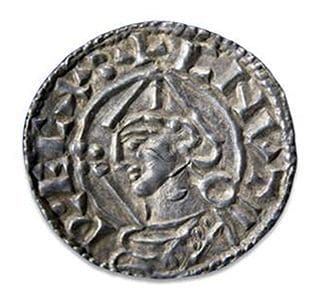
Vikings – KQ4 – How have recent excavations changed our view of the Vikings?
Evidence of Viking occupation Using the Mantle of the Expert approach, pupils help a confused museum curator to write high quality captions for 11 images that MIGHT show Viking occupation…
Read More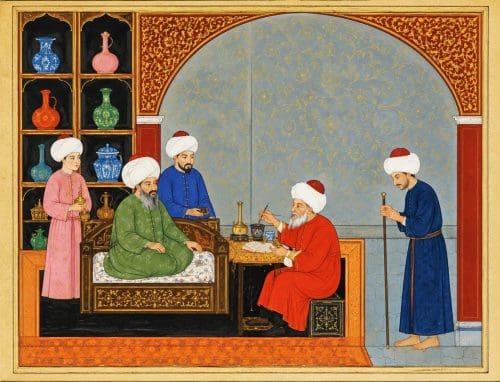
Early Islamic civilization – KQ1 – Why should we study the early Islamic civilizations in school today? SMART TASK
One of the misfortunes of a long history of stereotyping and conflict between Islam and the West is that it has fostered ignorance. Muslims and westerners know too little of…
Read More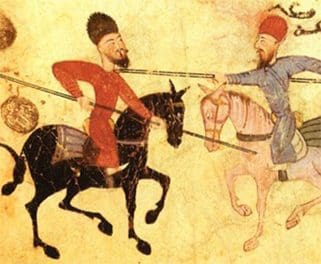
Early Islamic civilization – KQ2 – How was the Islamic civilization able to spread so far, so quickly?
In this demanding but important overview session pupils have to work out from clues the key reasons for Islam’s growth before going on to classify and prioritise them. The session…
Read More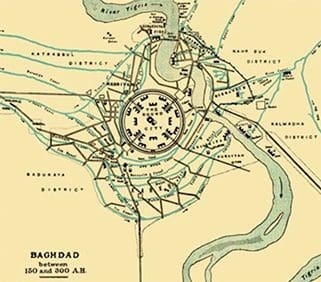
Early Islamic civilization – KQ3 – What can we learn about early Islamic civilization from the way they set up the capital at Baghdad?
Pupils are first asked to design a picture showing what Baghdad would have looked like 1,000 years ago. It is best if they draw it as an aerial view- a…
Read More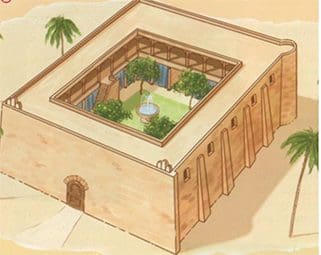
Early Islamic civilization – KQ4 – What was so special about Baghdad in its Golden Age?
In it’s Golden Age, ten times more people lived in Baghdad than in London. So what was so special about it? And how can we possibly know? Pupils work on…
Read More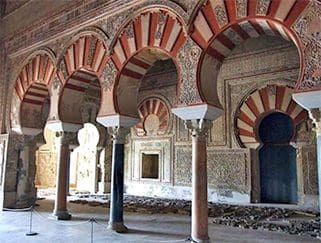
Early Islamic civilization – KQ5 – Just how amazing was daily life for rich people in Islamic cities such as Baghdad and Cordoba?
Pupils in role as rich Saxon visitors to 10C Islamic cities, have to capture the essence of these amazingly sophisticated cities. Towards the end of their journey they have to…
Read More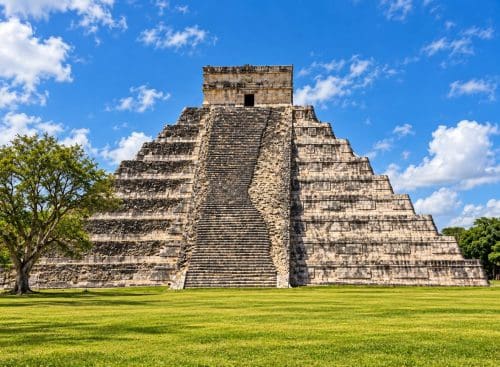
Mayan civilization – KQ1 – Why do we study the Maya in history at KS2?
Following a brief introduction to locate the Mayan civilization in time and place, stress that we knew very little about this society until recent excavations. Then give over most of…
Read More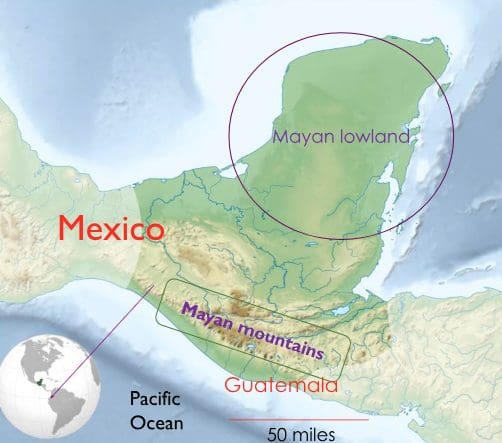
Mayan civilization – KQ2 – Reasons why the Maya empire grew – When so much of the land they lived in was mountain and jungle, how did the Maya manage to become so important?
This is a contentious area and historians cannot be sure so it is a quick overview type lesson. Learning objectives Pupils are able to offer at least 2 valid reasons…
Read More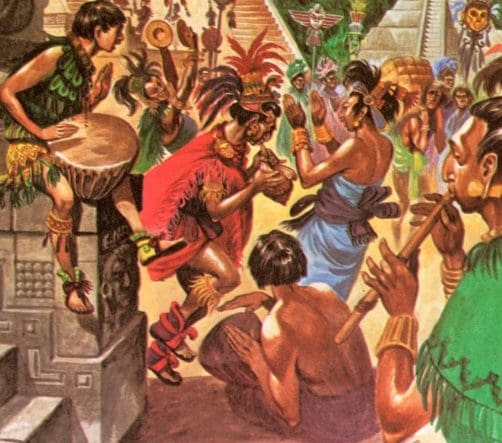
Mayan civilization – KQ3 – What was everyday life in Mayan civilization? How different was it for rich and poor?
Having been introduced to the nature of Mayan society with its clear hierarchy, and having seen various models and artists’ impressions of life in Mayan city states 1,200 years ago,…
Read More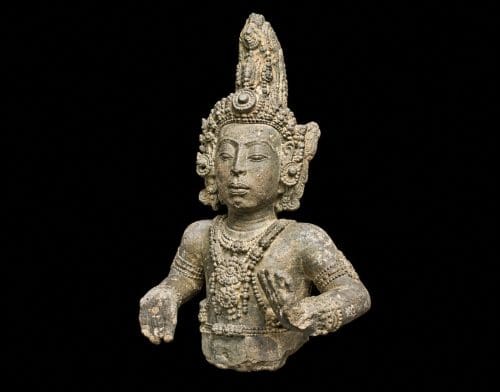
Mayan civilization – KQ4 – How can we possibly know what was life like for the Mayan people 1,000 years ago? SMART TASK
Introduction This multi-faceted enquiry ranges from scene-setting story telling, and making deductions (using the strategies Zones of Inference and Prove it!), through to creative uses of evidence with Call My…
Read More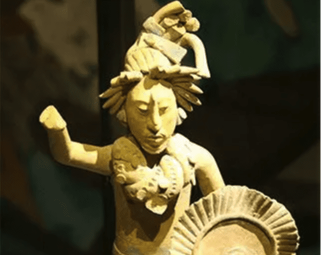
Mayan civilisation – KQ5 – Mayan civilization and human sacrifice
KQ5 If the Maya were so civilized why then did they carry out human sacrifice? SMART TASK Please note that this can be a delicate issue to be treated with…
Read More
SMART TASK: How significant was the Montgomery Bus Boycott in the history of Civil Rights?
Quick ranking activity for GCSE/AS students Students are asked to consider the relative significance of 11 possible arguments that have been used by historians who claim that the Montgomery bus…
Read More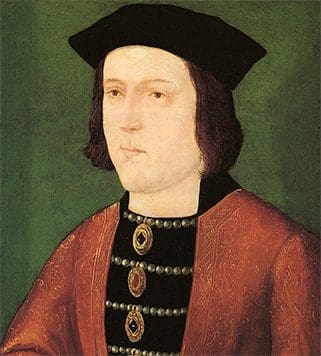
LESSON IDEA: Edward IV was more successful as a king in his second reign than his first’. How far do you agree with this view?’
Activities 1. Introductory. Brainstorm Edward’s achievements and failures. 2. Provide students with cards for them to place on a spectrum from ‘unsuccessful’ to ‘highly successful’. 3. Compare this with historians’…
Read More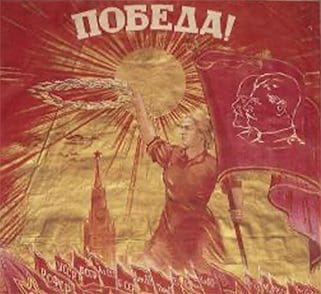
Why did Bolshevism survive in Russia between 1917 and 1924? SMART TASK AS-A2
This task asks students to investigate the perplexing question as to why the Bolshevik regime was able to survive from 1917-24. Students are given the context: no plans; poor start;…
Read More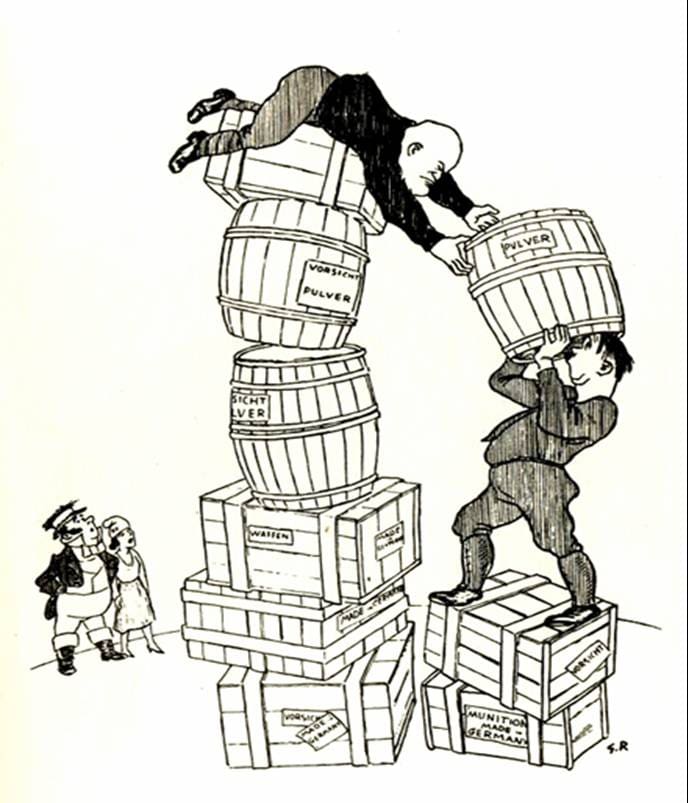
Italian foreign policy-outstanding lesson
At what point did Mussolini seem to side more with Germany than with Britain or France? Students arrive at the lesson having familiarised themselves with key events of Mussolini’s foreign…
Read More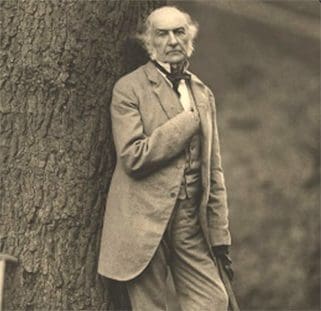
‘Gladstone’s conversion to Home Rule was a calculated political act’. Assess the validity of this claim
Start by posing the question as a puzzle to be solved. Why would Gladstone convert so suddenly to Home Rule – one of the great voltes-face of the 19th century?…
Read More
Who started the Korean War? Smart Task
In this short starter smart task students are given two contradictory accounts of the start of the Korean War, both emanating from Korea. But which account do they think is…
Read MoreWritten by Neil Thompson

All content on Keystage history is written and quality assured by Neil Thompson, a former history teacher, county history adviser and Ofsted inspector with more than 30 years’ experience in history education.