
Keystage History Blog – updates from Neil
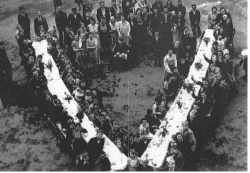
Remembering VE Day
In these difficult times when schools are not in session it will not be possible to commemorate the ending of the Second World War with our primary-age children in the…
Read More
Creating your own timelines at KS2: one school’s recent find.
Charley Chanter of HertfordHeath primary school has just brought this Timeline making package to my attention He wrote:.I have been looking into some resources for our chronology/timebox units and came…
Read More
At last a way forward with KS2 assessment for history that will work for my school
Even though we will have had the National Curriculum for history ( albeit in different guises) for nearly 30 years, there hasn’t been a great deal of attention paid to,…
Read More
We learn by being excited not by being told; abiding principle of Keystage history
I get a lot of enquiries about Keystage history, largely from teachers who want to know what to expect from the site,prior to purchasing a subscription. Most of the site’s…
Read More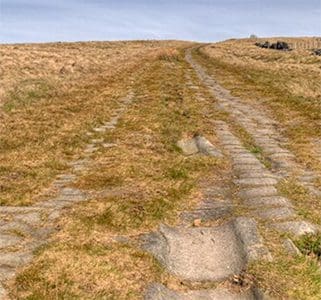
Did you know there were over 1000 Roman sites in England and Wales?
The numerous discoveries of Roman finds, often by private metal detectors, have revealed more than 1,000 Roman sites in England and Wales, often in places where archaeologists were not looking….
Read More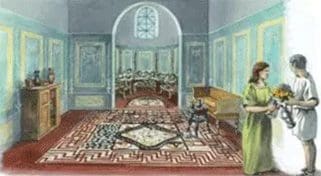
Teaching about Roman villas at KS2- some new finds in Gloucestershire. Should the housing development now go ahead – arguments for and against?
Those of you teaching about Roman villas at KS2, maybe even using the outstanding lesson on this website, Is this another Roman Villa ( KQ4 part 2), will be interested…
Read More
OFSTED using frighteningly slender evidence to judge history at KS1 and 2
According to today’s Guradian report an eight-year-old boy was meeting the Ofsted inspector for the first time. “What do you remember learning in history?” she asked, tapping on her iPad. It…
Read MoreWhat would OFSTED say about history in your school? What needs to improve? A sample recent report gives an insight
After identifying a number of positive features of the history curriculum and history teaching the OFSTED inspector carrying out a deep dive inspection in December 2019 wrote the following: You…
Read More
Don’t led OFSTED’s unrealistic expectations of you grind you down until they’ve given you the detailed training guidance help you need and deserve.
So you didn’t study history yourself beyond the age of 14, you have been leading the subject for just two terms , you have never taught it at KS1, you…
Read More
OFSTED and assessment of primary history in the EIF for 2019
OFSTED and assessment in primary history One of the features of deep dive subject inspections is that the two hardest areas of a primary history leader’s role are in danger…
Read MoreWhat does OFSTED really think about 2 year KS3 history courses?
More than half of schools now run lengthened Key Stage 4 history courses, effectively shortening Key Stage 3 to cater for the new, allegedly tougher GCSEs. OFSTED has insisted it…
Read MoreOFSTED’s report on teaching of Toys-outstanding lesson
When the inspector entered, the pupils were sitting on the carpet around the teacher. She was gently exploring whether they understood the concepts ‘old’ and ‘new’and the differences between the…
Read MoreWhat does INTENT actually mean for history in the new OFSTED Framework for 2019? Building blocks and the Big Picture
Nothing could be simpler: intent is everything up to the point at which teaching happens in the classroom. It is what you intend pupils to learn. What knowledge, what skills,…
Read More
Teaching the Iron Age at KS2: are you teaching the right things?
In a recent article in Primary History by Karen Doull of the Historical Association adumbrated a list of the ‘Ten things your pupils need to know about the Iron Age’….
Read More5 things primary history subject leaders should be doing next term
It obviously makes no sense to ordain a calendar of must-do tasks that all primary history leaders should be following. After all, each school is at a different stage of…
Read MoreTime to drop insanity of a 3 year GCSE history course
Of all the phases of history education pupils now go through, KS4 is by far the least appealing. So why 50% of schools prolong the agony of KS4 by starting…
Read MoreWhat do the new 2019 OFSTED Framework reports say about history in primary schools?
Even though we are only a month into term, OFSTED has been busy publishing its reports from the second week of September. I thought you might like a flavour of…
Read More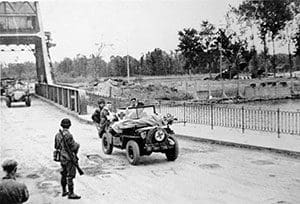
80th anniversary of the outbreak of World War Two
On 3 September 1939, Britain and France declared war on Germany after Adolf Hitler’s invasion of Poland. It was the start of the largest and bloodiest war in history –…
Read MoreWhat new OFSTED framework on work scrutiny means for history subject leaders.
What work scrutiny means for history subject leaders. We all worry about work scrutiny. Will the inspectors take into account that it is only October and therefore very little of…
Read More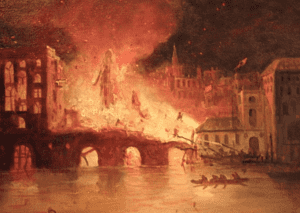
Anniversary of the start of the Great Fire.
On this anniversary of the outbreak of the Great Fire, take a look at the outstanding lesson which explores why the fire began. It has a whole range of exciting…
Read More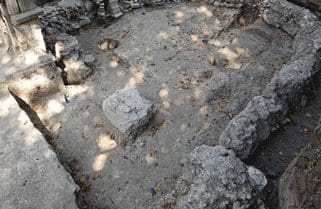
KS2 update on Saxon conversion to Christianity-the first stone churches
Excavations in Kent have just revealed that there were STONE Saxon churches being built in England as early as AD 633. The one at Lympinge was believed to have been…
Read More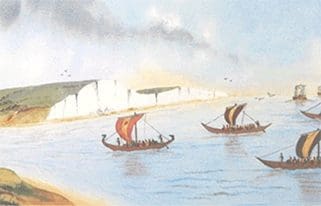
Making the Saxons relevant for BAME pupils
In the corridors of academia there has been much debate about the relevance of the british university and school history curricula to pupils.The popular author of a book on King…
Read More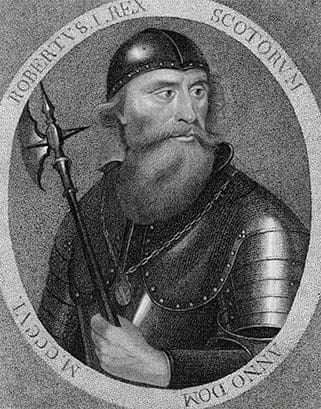
How significant was Bannockburn? What do Y7 pupils think?
When your pupils watch any sporting even that features the Scottish national anthem, remind them of its links to Bannockburn and 1314. So why is it important and doesn’t everyone…
Read MoreMaking links in history at KS3: 5 simple questions to ask your pupils
5 quick and simple questions to help pupils make links in history at KS3 When else have we come across a diagram like this to show how society was organised?…
Read MoreIs chocolate bad for your history lessons at KS2? Warnings about OFSTED and SOME cross-curricular approaches
With OFSTED putting the curriculum under even greater scrutiny, it is perhaps timely to re-consider assumption about delivery of history as a discrete subject or as part of a thematic…
Read More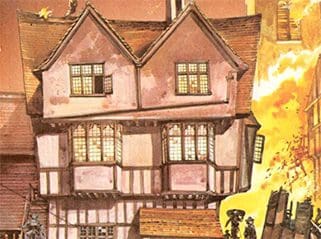
Swapping a Great Fire for a volcanic eruption? Looking for a new famous Event at KS1?
In a recent article in the Historical association’s Primary History Sue Townsend makes a very strong case for introducing the teaching the volcanic eruption at Pompeii at KS1. One had…
Read More
How many of these 50 KS2 history concepts do your pupils understand?
How many of these KS2 history concepts do your pupils understand? Afterlife Army Blitz Border Christianity City Civil war Civilization Colony Conflict Conquest Coronation Country Democracy Emperor Empire Enemy Fleet…
Read More
What have the Romans ever done for us? More than we think
It appears that we need to add anti-earthquake engineering to all the other benefits the Romans gave us: sanitation, medicine, education, public order, irrigation- and let’s not forget….wine! Recent studies…
Read MoreWhat does greater depth look like in history at KS2 and 3?
What does greater depth mean in history? So, we all know it doesn’t just mean knowing more stuff. We also know its not like mastery in mathematics. Perhaps these 8…
Read MoreWriting frames in KS2 and 3 history: Uncomfortable Procrustean bed or essential tool for explanatory writing.
For years history teachers have been using writing frames. Some are better than others. Some are downright unhelpful . It s not that structure is unnecessary its just that some…
Read More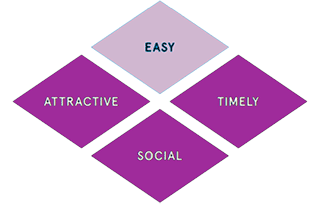
How to implement successful curriculum change in history: using the EAST model
Most schools will have come up with a new curriculum for history at a time when the statutory changes took place. But with the new focus that OFSTED is placing…
Read More
Using small stories to reveal big pictures in our history teaching: a practical example
Small stories and big pictures As history teachers, we love telling stories. We do this to motivate pupils as we know they are interested in them and find them relatively…
Read More
Improving your questioning in history to improve learning
We all know that less than 10% of questions we traditionally ask in British classrooms actually caused new learning. Most concern rehearsing what pupils already know or are about classroom…
Read More
GCSE history wagging KS3 dog says HA survey
Last month the Historical Association published its annual survey of the state of history in its secondary schools. About 300 completed the survey so it is a reasonable sample. Several…
Read MoreDon’t bark up the wrong tree with progression-its all about the history curriculum not content-free skills
There has been a lot of confusing talk recently about progression in history. Schools are still wrong-headedly trying to build up a bank of ‘can do’ statements that are content…
Read More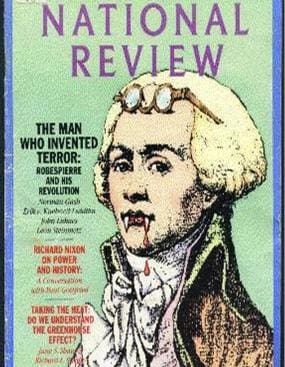
Do all revolutions in history end badly? Historians compare Russian, French and Chinese revolutions.
Interesting article in History Today (one that is free to read), in which authors compare the outcome of three revolutions: Russian, Chinese and French. Plenty for your budding historians to…
Read More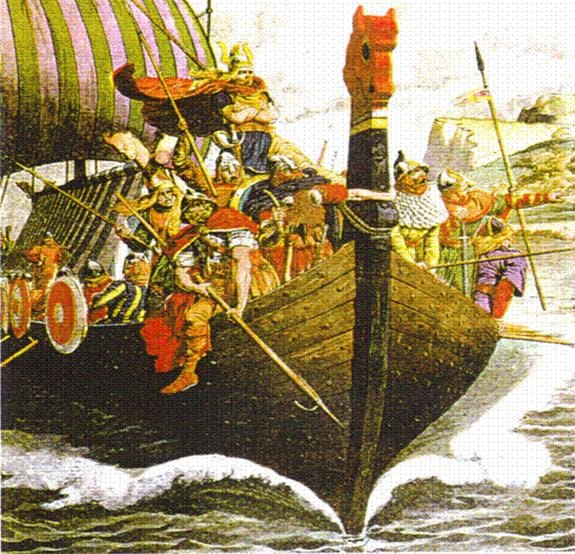
Using place-name evidence to find out about the Vikings at KS2: 3 things you MUST know
Place-name evidence is really important to historians studying the Vikings. Not only is there so much of it, it is also very descriptive and helps us with everyday Norse language…
Read More
Using colourful highlighter pens to mark text. Is there a better alternative to promote deeper thinking in history?
Highlighting text is a commonly used technique in history teaching right up to, and including A level. I have spend many a deliriously happy hour on inspection looking through so…
Read MoreYour KS3 history curriculum and OFSTED’s 2019 Framework
With the OFSTED Framework for 2019 very much in mind the clever people at OneBigHistoryDepartment have come up with a list of questions to ask yourself about your KS3 history…
Read More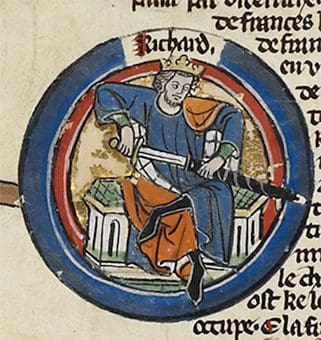
Great new outstanding lesson on Richard the Lionheart and 3rd crusade
Given Richard’ failure to capture Jerusalem, his incarceration and his absence from England how could he still be called Lionheart rather than loser? How can he possibly deserve his statue…
Read More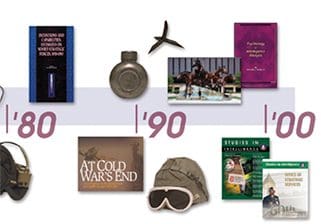
How well do your pupils know the periods of history?
Chronology is difficult for young children. They generally get batter as they get older, as they can relate one period to the next in context. Of course they can learn…
Read More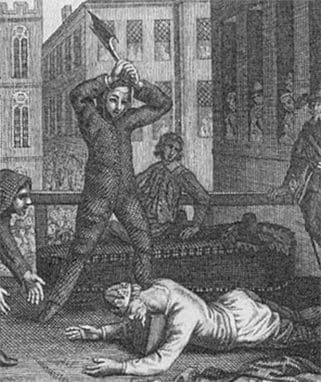
Are you up-to-date with your teaching of the trial and execution of Charles I?
Sean Kelsey has recently published his research in a paper from the Institute of Historical Research which you can read in full here What I offer here are some quick…
Read More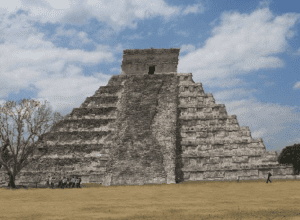
How to engage your KS2 boys with the Maya using football
Football is a religion. As early as 1000 year ago the ancient Mayan ball game drew huge crowds, not just for its entertainment value, but also for the religious significance…
Read MoreHow to close the attainment gap in history at KS3 and 4
Kate Smee,Director of Humanities, Fairfield High School, Bristol recently gave a couple of examples of what works for her on the HA site Onebighistorydepartment.As a starting point I would recommend…
Read More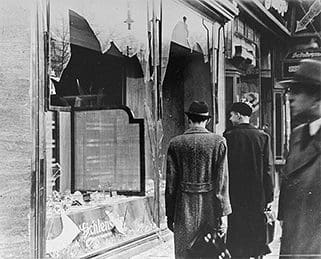
Widespread ignorance of the Holocaust still shocks
Five per cent of UK adults do not believe the Holocaust took place and one in 12 believes its scale has been exaggerated, a survey has found. The poll of more…
Read MoreOFSTED’s sensible approach to progression
OFSTED’s 2019 draft Framework for Inspection is full of very welcome comments about the central importance of having a high-quality curriculum. It follows this up with some equally welcome strictures…
Read More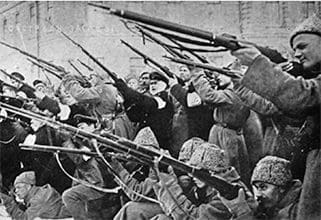
So when did the Russian Revolution really end?
This article from Miriam Dobson’s at Sheffield University give us a variety of answers. Rex Wade writes: ‘The dispersal of the Constituent Assembly effectively marked the end of the Russian…
Read MoreDon’t over-complicate your teaching
OFSTED recently published this exemplification of successful history teaching in one school using the new EIF 2019 Framework criteria. Teachers present the historical content clearly, promoting lively discussion and debate…
Read More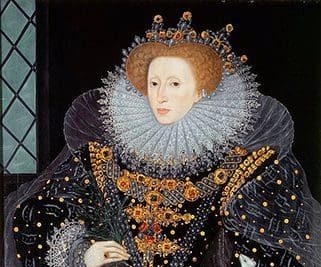
Elizabeth I: awful weather
As reported in The Times, yesterday marked the Coronation of Elizabeth I, 460 years ago. It was cold and wet in London on January 15, 1559, with flurries of snow,…
Read MoreDos and Don’t of concluding your history lesson
When the National Strategies were all the rage over a decade ago now, a lot of attention was paid in the Foundation subjects to lesson starters and what were known…
Read MoreWritten by Neil Thompson

All content on Keystage history is written and quality assured by Neil Thompson, a former history teacher, county history adviser and Ofsted inspector with more than 30 years’ experience in history education.