
Teaching Year 3 History
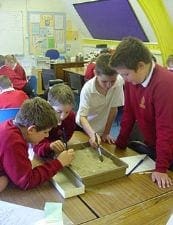 Knowing and being able to explain the sequence in which your pupils will experience their history topics is an important part of the history subject leader’s role. But it can be difficult to be sure what works best. With our wealth of experience we are well placed to give you this crucial advice. Indeed, we nail our colours to the mast so that our planning, lessons, assessment and progression all follow the same rationale and are pitched to particular year groups.
Generally, the fine distinction between year groups cannot be empirically proven by research but having worked with 500 primary schools on their history curriculum over 18 years the following resources are suitable for year 3.
That does not mean it cannot be taught in other year groups. Of course, let’s face it, whether it is taught in term 3 Year 3 or 10 weeks later in term 1 Year 4 is hardly likely to matter that much.
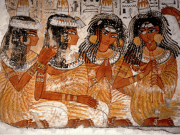
Ancient Egypt : a new Pompeii?
A few weeks ago, Egyptian archaeologists the discovery of a “lost city” of the pharaohs dating back some 3,400 years that they described as the biggest ancient settlement yet uncovered…
Read More
Outstanding medium term planner for Ancient Civilizations: Egypt Y3
At one point in recent years, there were real fears that Ancient Egypt would be axed from the KS2 curriculum. Mercifully it was reprieved so we now need to make…
Read MoreOutstanding Scheme of Work for Stone Age to Iron Age
This scheme of work, judged outstanding by an OFSTED history inspector now links to all the fully-resourced outstanding lessons and activities making the teaching of this topic completely self-contained. Not…
Read More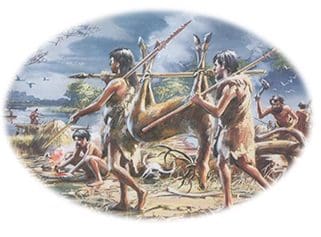
Stone Age to Iron Age – KQ1 – Is it true to say that Stone Age man was just a simple hunter gatherer only interested in food and shelter?
This KS2 outstanding history lesson on the Stone Age revolves around the reveal of an object found at Star Carr in Yorkshire which dates from the Middle Stone Age. It…
Read More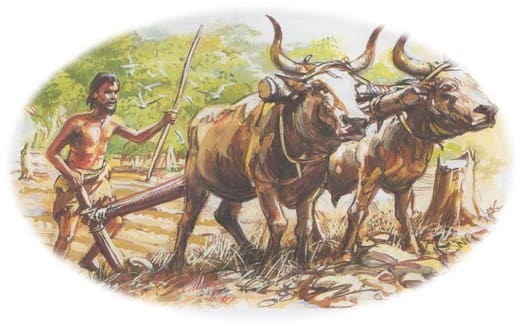
Stone Age to Iron Age – KQ2 – How much did life change when man learned how to farm?
This session focuses on the concept of change and continuity. Pupils learn of the major changes that came in the Neolithic period with the arrival of farming from the Near…
Read More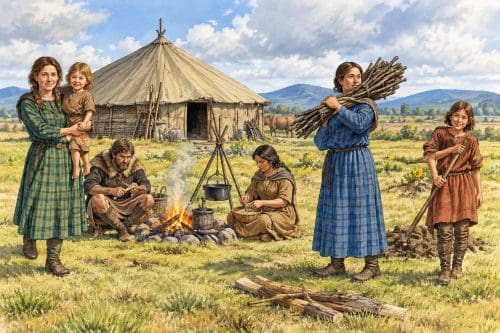
Stone Age to Iron Age – KQ3 – What can we learn about life in the Stone Age from a study of Skara Brae?
Enquiry based lesson on images of the remains of buildings found from a study of Skara Brae, a stone-built Neolithic settlement, located on the Bay of Skaill on the west…
Read More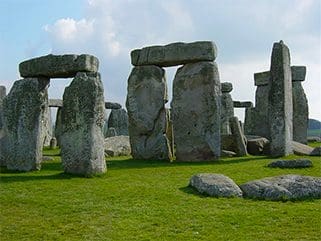
Stone Age to Iron Age – KQ4 – Why did they build Stonehenge?
Pupils are shown a video tour of the site and discover when, where, and how it was built. They speculate as to why it was built. Then play Call my…
Read More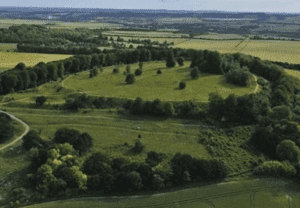
Stone Age to Iron Age – KQ5 – What was life like in the Iron Age and how do we know?
Pupils speculate as to what holes in the ground shown in an aerial photograph might be, before annotating an artist’s reconstruction of Danebury Hill Fort. Using the zones of inference…
Read More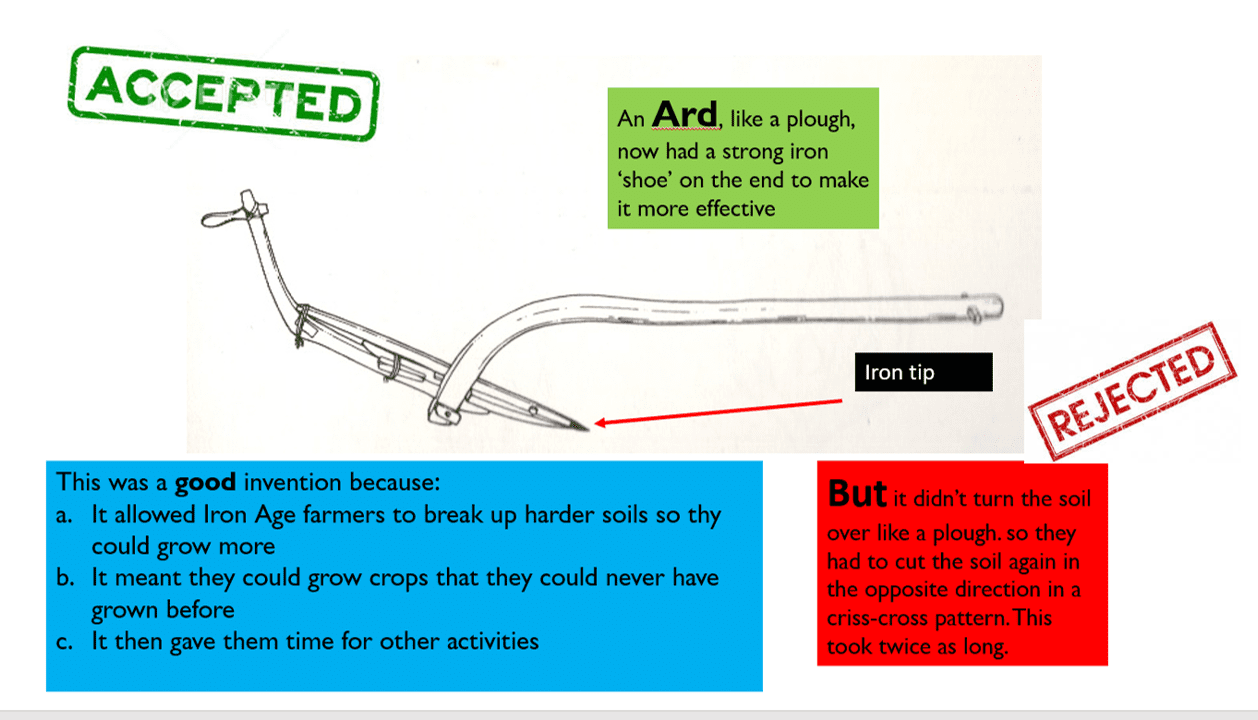
Stone Age to Iron Age – KQ5b – Dragons Den : Which technological development should our Iron Age settlement get next?
Set the scene. A group of the most important members of the Iron Age settlement have gathered to consider their future. They have heard of a lot of new technologies…
Read More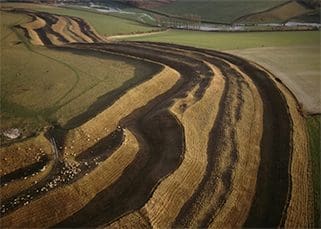
Stone Age to Iron Age – KQ6 – Iron Age Hill Fort at Maiden Castle
Iron Age Crimewatch AD 50. Who killed the 52 dead bodies at Maiden Castle? Key Question 6 KS2 pupils work as history detective Time Teams to solve the Iron…
Read More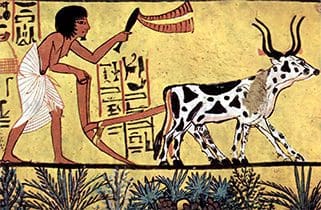
Ancient Egypt – KQ1 – Launching the Enquiry. So you think you know about Ancient Egypt?
What can we quickly add to what we already know about Ancient Egypt? This way of starting should build on what some pupils already know without slowing down the start….
Read More
Ancient Egypt – KQ4 Part 1 – What can an old clay model and a pair of old sandals tell us about life in Ancient Egypt 5,000 years ago?
What does the evidence tell us about the everyday life for men women and children? Here the focus is on two pieces of evidence which reveal a picture of the…
Read More
Ancient Egypt – KQ4 Part 2 – Using evidence of Life in Ancient Egypt KS2 – Pupils love playing history detectives
Crimewatch Ancient Egypt: Tomb Robbers This fun activity is a brilliant way of developing pupils’ deductive thinking skills in a realistic context. Pupils are cast in the role of police…
Read MoreAncient Egypt – KQ4 – Additional Smart Task
(NB This is not included on the planner) How can we learn so much about Ancient Egypt from just these 6 objects? After an initial stimulus ‘slow reveal’, pupils working…
Read More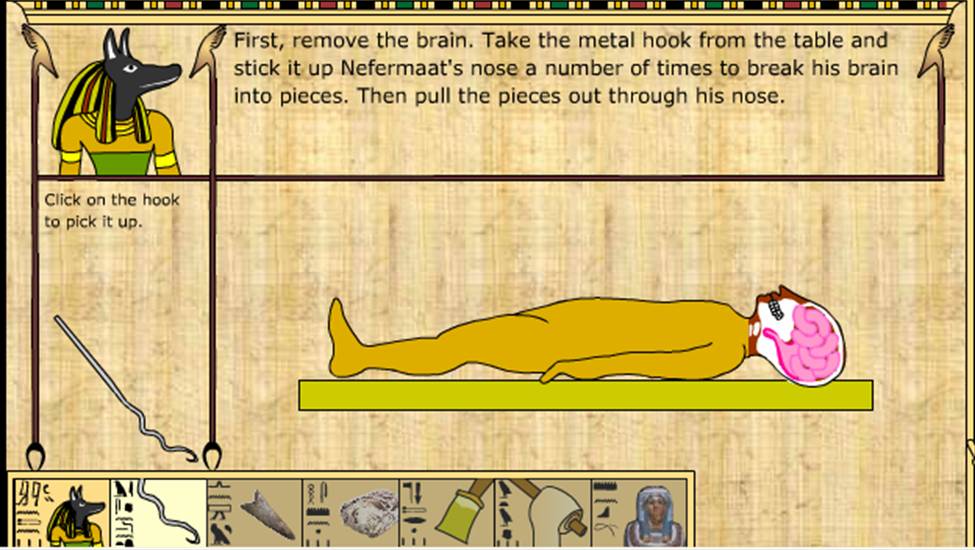
Ancient Egypt – KQ5 Part 1 – Embalming the dead in Ancient Egypt : Great history and great literacy too
Helping the Hopeless Embalmer This really fun lesson, in the style of ‘mantle of expert’, asks the children to help the Hopeless Embalmer whose boss has left him in charge…
Read More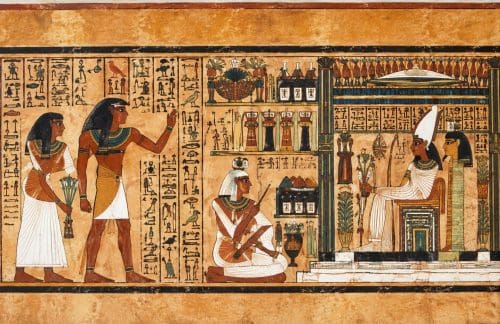
Ancient Egypt – KQ5 Part 2 – After-life lesson KS2
Understanding the Book of the Dead: from page to stage Using simple drama techniques to make a very old document come alive, this lesson involves pupils becoming the characters in…
Read More
Ancient Egypt – KQ6 – What did Ancient Egypt have in common with other civilizations at the time?
The main activity here is called gallery. Pupils are shown images (printed from the KQ6 PowerPoint) which are displayed around the room, as if an art gallery. Pupils have to…
Read More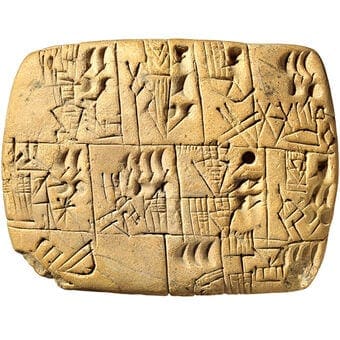
Ten things your KS2 pupils should know about language and communication in the ancient world.
This article should inform your teaching of the Ancient Civilizations topic Imagine a world without writing-without any writing at all: no literature; no news stories; no history even. No tax…
Read More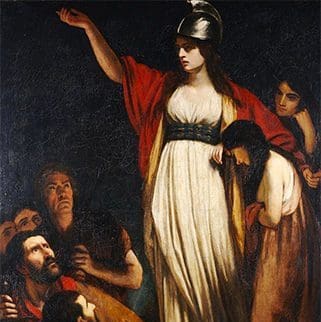
Roman Britain – KQ2 part 2 – Boudicca’s rebellion: from sequencing to living graph
This KS2 lesson on Roman Britain uses the idea of a living graph to see the ups and downs of Boudicca’s life as a way of helping children make sense…
Read More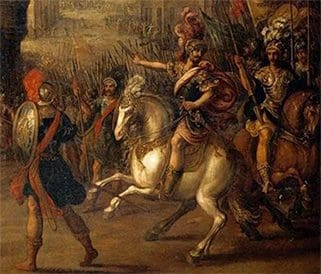
Roman Britain – KQ3 – How were the Romans able to keep control over such a vast empire?
This lesson offers considerable variety in terms of learning approaches. Pupils work in tug-of-war teams to represent the differently weighted factors that help to explain why the Romans were able…
Read More
Roman Britain – KQ4 part 2 – Is this another Roman villa?
NB. It has been brought to our attention that the link to the video doesn’t work as the video has been taken down by channel 4. As this is an…
Read More
Roman Britain – KQ5 – How can we solve the mystery of why this great 400 year empire suddenly came to an end? Can you make the links?
As this is a brief overview question, without time for much independent research, pupils are introduced to a series of ideas which they have to comprehend, illustrate and then see…
Read More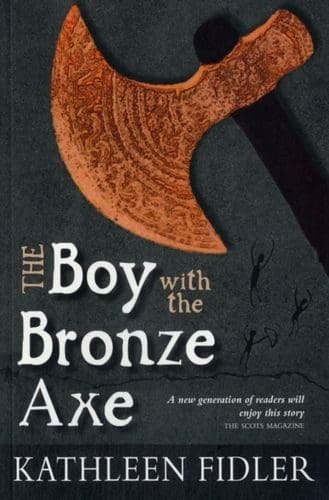
Using Fiction: teaching Stone Age to Bronze Age in history at KS2
Using Boy with the Bronze Axe by Kathleen Fidler to help you teach Stone Age to Bronze Age and Skara Brae to KS2 Although this book is now nearly 50…
Read MoreWritten by Neil Thompson
All content on Keystage history is written and quality assured by Neil Thompson, a former history teacher, county history adviser and Ofsted inspector with more than 30 years’ experience in history education.