
Teaching Roman Britain and the Roman Empire Lessons and resources KS2
KS2 Roman Britain outstanding lessons
The key change to this topic, introduced by the NC orders is to place the history of Roman Britain within the broader context of the Roman Empire. This is largely because at KS3 fewer schools now study the Roman Empire. So at KS2 we now need to look more closely at the reasons for the expansion of the Roman empire and how the Romans managed to keep control over such a vast area.
Whilst we will still carry on with our work on interpretations of Boudica (Boudicca), the differences between Celtic and Roman life styles in town and country, and the Roman legacy, we need to find some time to look at why the mighty Roman empire came to an end. With all KS2 schools now studying the Iron Age pupils now have a better awareness of the Britain the Romans conquered and their study of the Saxons should help them to grasp the immediate legacy the Romans left behind.
Our outstanding medium-term planner with all accompanying lessons and all-important resources allows you to teach the topic with full confidence that you are addressing all the important content at the same time as developing crucial historical skills and concepts.
Roman Britain KS2 Scheme of Work, Knowledge Organiser, Assessment & Quiz
| All Roman Britain Key Questions | Historical focus |
|---|---|
| KQ1 Part 1 – From Caesar’s invasions to Claudius’ conquest | Chronology and conquest |
| KQ1 Part 2 – Why did the Romans invade Britain? | Causation |
| KQ1 Part 3 – The Roman invasion: have the books got it right? | Evidence and interpretations |
| KQ2 Part 1 – Should the Celts take on the Romans? | Military power and decision-making |
| KQ2 Part 2 – Boudicca’s rebellion | Resistance, causation and consequences |
| KQ2 Part 3 – What image do we have of Boudica today? | Historical interpretations |
| KQ3 – How were the Romans able to keep control over such a vast empire? | Power and control |
| KQ4 Part 1 – What can we learn from a Roman town? | Settlements and everyday life |
| KQ4 Part 2 – Is this another Roman villa? | Archaeological evidence |
| KQ5 – How can we solve the mystery of why this great 400-year empire suddenly came to an end? | Causation and change |
| KQ6 – What have the Romans ever done for us? | Legacy and significance |
Top tips for planning your KS2 history studies – Roman Empire and its impact on Britain
Whilst it might look as if this is a bigger unit than simply the existing Roman Britain unit, in reality…
Read More
Roman Britain – assessment task – interpretations of Boudicca
Focus: interpretations Another Year 4 task in which pupils have to compare two unseen illustrations from books about Boudicca. Having…
Read More
Roman Britain – assessment task – Why did the Romans invade?
Focus: causation Short written explanation or, for some, the completion of two speech bubbles. What did the Romans / Claudius…
Read More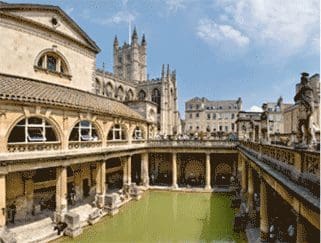
Roman Britain – assessment task – Roman legacy
Assessing pupils’ understanding of the legacy of the Roman Empire on life in Britain This task is designed to elicit…
Read More
Roman Britain knowledge organiser – KS2
The arrival of the Romans to Britain and their occupation for over 350 years marks a turning point in the…
Read More
Top 10 things your pupils need to know – Roman Britain
Top 10 things your pupils need to know about Roman Britain 1. Roman Britain was part of a huge empire…
Read More
Roman Britain – KQ1 part 1 – From Caesar’s invasions to Claudius’ conquest
This first part of the first enquiry links to earlier work on the Iron Age and takes pupils from Julius…
Read More
Roman Britain – KQ1 part 2 – Why did the Romans invade Britain?
This lesson uses a variety of approaches including role play, decision-making, card sorts, hot seating and completing speech bubbles. The…
Read MoreRoman Britain – KQ1 part 3 – The Roman invasion: have the books got it right?
This lesson follows on from the decision-making role play ‘Why did Claudius invade?’ Pupils are now asked to create a…
Read MoreRoman Britain – Supporting KQ1 – Julius Caesar and the invasions of Britain. Why did he come?
Julius Caesar and the invasions of Britain. Why did he come? Exploring human motivation. When Julius Caesar invaded in successive…
Read MoreRoman Britain – KQ2 part 1 – Should the Celts take on the Romans? A reconstruction relay.
The Roman Army This highly active, boy friendly activity has proved extremely popular in schools and has led to some…
Read More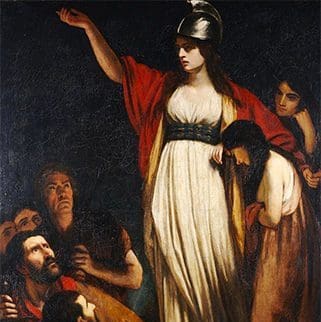
Roman Britain – KQ2 part 2 – Boudicca’s rebellion: from sequencing to living graph
This KS2 lesson on Roman Britain uses the idea of a living graph to see the ups and downs of…
Read More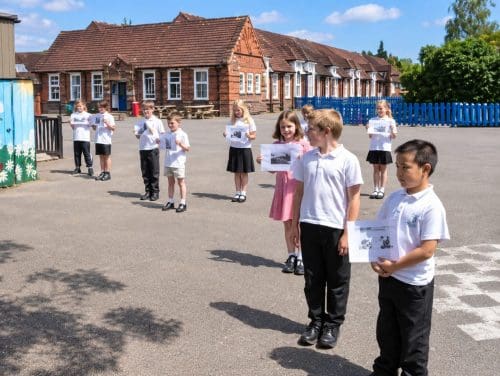
Roman Britain – KQ2 part 2 additional information – Boudica’s rebellion: from sequencing to living graph
The focus on the dramatic story of Boudica is a good opportunity to help pupils to understand why things happen…
Read More
Roman Britain – KQ2 part 2 additional information – Making sure you are teaching Boudica in the right way.
Let’s start with the name. Boudica is the correct spelling, not Boudicea. Boudica means ‘victory’. Her chariots were light, springy,…
Read More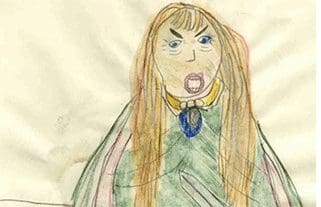
Roman Britain – KQ2 part 3 – What image do we have of Boudica today?
Key Stage 2 pupils find Boudica fascinating so this is a good context for exploring the tricky ideas of historical…
Read MoreRoman Britain – KQ3 – How were the Romans able to keep control over such a vast empire?
This lesson offers considerable variety in terms of learning approaches. Pupils work in tug-of-war teams to represent the differently weighted…
Read More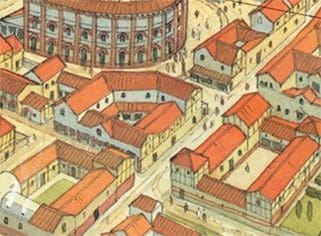
Roman Britain – KQ4 part 1 – Picture this. Creating a group drawing of a Roman town with all key buildings included in the right place
After re-capping the main features of Iron Age settlements, pupils work collaboratively in role as spies trying to find which…
Read More
Roman Britain – KQ4 part 2 – Is this another Roman villa?
NB. It has been brought to our attention that the link to the video doesn’t work as the video has…
Read More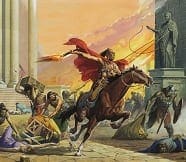
Roman Britain – KQ5 – How can we solve the mystery of why this great 400 year empire suddenly came to an end? Can you make the links?
As this is a brief overview question, without time for much independent research, pupils are introduced to a series of…
Read More
Roman Britain – KQ6 – What have the Romans ever done for us? Under the cloth
This activity is a good fun way of concluding a study of the Romans. It is called ‘under the cloth’. …
Read More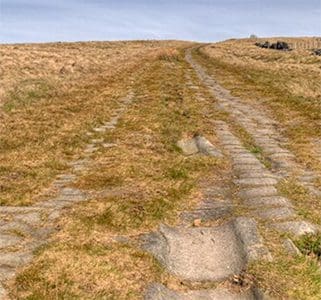
Why did the Romans spend so much time building roads? KS2 short task
From Diamond 4 to ‘Roving Mike’ and kids’ wiki. This simple short task gives groups of pupils, 3 per group,…
Read MoreWritten by Neil Thompson

All content on Keystage history is written and quality assured by Neil Thompson, a former history teacher, county history adviser and Ofsted inspector with more than 30 years’ experience in history education.