
Teaching Year 7 History

Knowing and being able to explain the sequence in which your pupils will experience their history topics is an important part of the history subject leader’s role. But it can be difficult to be sure what works best. With our wealth of experience we are well placed to give you this crucial advice. Indeed, we nail our colours to the mast so that our planning, lessons, assessment and progression all follow the same rationale and are pitched to particular year groups.
Generally, the fine distinction between year groups cannot be empirically proven by research but having worked with 500 primary schools on their history curriculum over 18 years the following resources are suitable for year 7.
That does not mean it cannot be taught in other year groups. Of course, let’s face it, whether it is taught in term 3 Year 6 or 10 weeks later in term 1 Year 7 is hardly likely to matter that much.
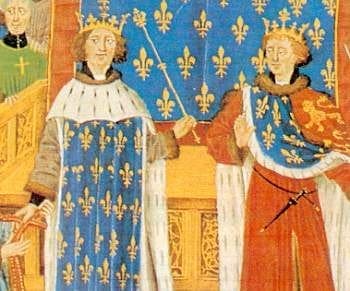
Richard I: Lionheart or loser should we keep his statue – SMART TASK
This short task puts pupils in the role of spin doctors who have to ‘big up’ the reputation of Richard the Lionheart. There is a lobby of people who feel…
Read More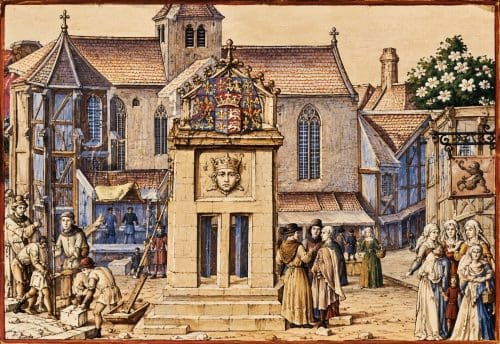
Why did they build so many churches in medieval times?
This simple task starts with pupils exploring and then prioritising a range of accessible ideas in order to arrive at their own explanation. Having done that, they then critique a…
Read More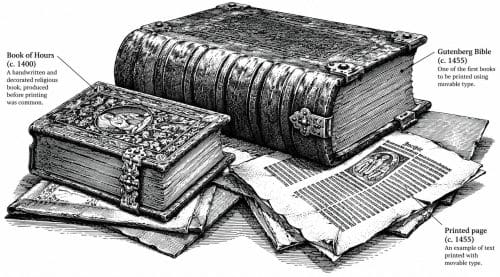
What were the real reasons why William organised the Domesday survey?
In this active lesson pupils start by speculating possible motives (given a couple of clues) and then work in groups of four to discover the full range of ideas historians…
Read More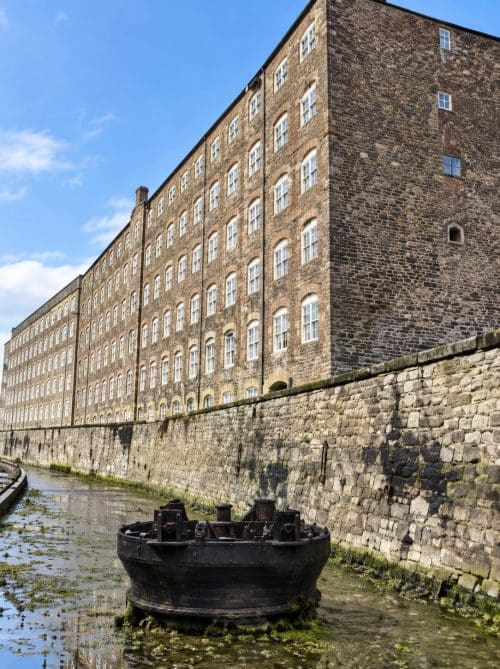
Did the Factory Act of 1833 make any difference at all? An enquiry
Did the Factory Act of 1833 really improve conditions for factory workers? In this engaging KS3 history enquiry, pupils investigate the problems faced by workers in the factories of Industrial…
Read More
Religious change in 16th century: did they do what they were told?
Historians have often treated the Reformation as if it was one big event. All Henry VIII did was throw a switch in 1529 and then gradually everyone changed religion until…
Read More
Why did Peasant unrest boil over into revolt in 1381?
Reasons for the Peasants’ Revolt This lesson uses the analogy of raising the political temperature, and then boiling over, to explain the Peasants’ Revolt. Pupils construct their own living graphs…
Read More
Did Harold really die with an arrow in his eye? – a reconstruction relay
In this activity pupils reconstruct the death scene from the Bayeux tapestry by means of a short, fun, reconstruction relay drawing activity. This is followed by an in-depth study of…
Read MorePeasant’s Revolt: If life for many medieval peasants improved after the Black Death why did they risk joining the Peasants revolt in 1381?
This is a thinking skills activity, a variant of a history mystery, in which pupils construct their own explanation of why individuals might have joined the rebel cause. Pupils will…
Read More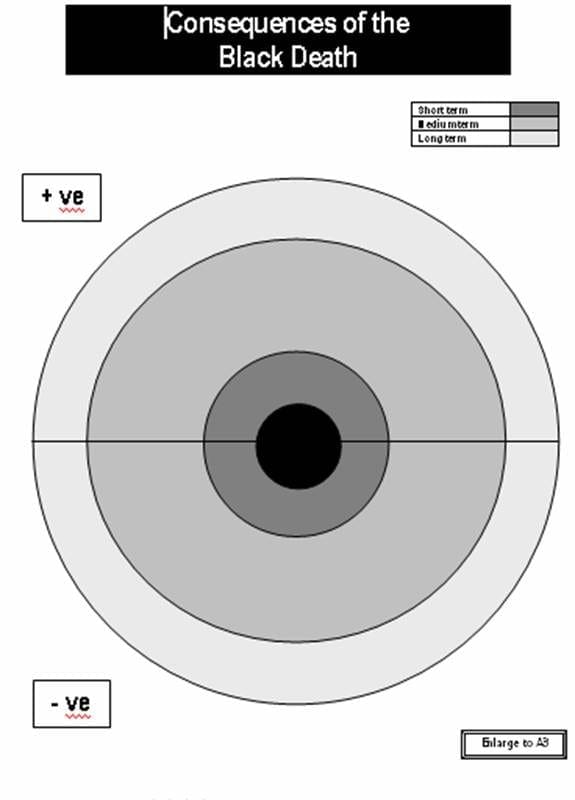
Was the Black Death a disaster for everyone?
This lesson is about the consequences of the Black Death. After an initial stimulus image, pupils are presented with a series of 10 predictions they have to make about the…
Read More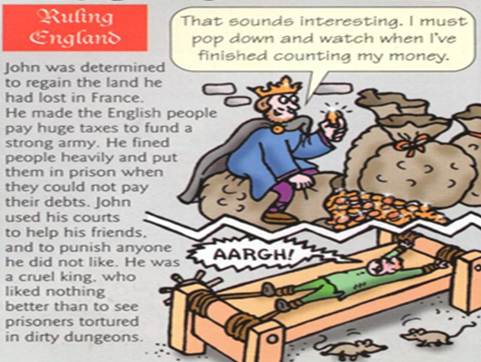
Daggers, money bags, clay pipes, scrolls, and torn up maps of France: putting King John on trial using a range of exhibits
Carrying out a trial of a controversial character is far from new. We have all tried it at some time. What makes this lesson stand out is the quality of…
Read More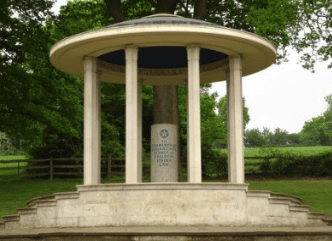
How significant was Magna Carta? SMART TASK KS3
Pupils have been commissioned to produce two brief podcasts for the British Library website aimed at a teenage audience. The first podcast is to last 100 seconds and must explain…
Read More
How well do your pupils know Medieval Britain? A short diagnostic smart task called truth detector
Pupils are given 18 statement cards (provided as RS2) about the Middle Ages on Britain to place on the truth spectrum (provided as RS1), labelled ‘made up’ to ‘definitely true’,…
Read More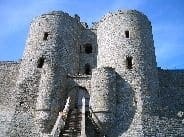
Castle design. Would I lie to you? Fun smart task
This enjoyable session has serious intent: to question some careless assumptions about castle building that often creep into Y7 teaching about castles. The idea is that pupils start to seriously…
Read More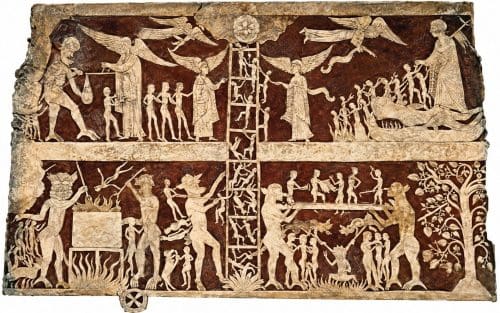
What can we learn about medieval churches from the outside and inside?
This innovative lesson uses the gallery strategy in which pupils compare a range of fascinating colour images to discover what Doom paintings have in common. After annotating and captioning different…
Read MoreWritten by Neil Thompson

All content on Keystage history is written and quality assured by Neil Thompson, a former history teacher, county history adviser and Ofsted inspector with more than 30 years’ experience in history education.