
Year 10
Knowing and being able to explain the sequence in which your pupils will experience their history topics is an important part of the history subject leader’s role. But it can be difficult to be sure what works best. With our wealth of experience we are well placed to give you this crucial advice. Indeed, we nail our colours to the mast so that our planning, lessons, assessment and progression all follow the same rationale and are pitched to particular year groups.
Generally, the fine distinction between year groups cannot be empirically proven by research but having worked with 500 primary schools on their history curriculum over 18 years the following resources are suitable for year 10.
That does not mean it cannot be taught in other year groups. Of course, let’s face it, whether it is taught in term 3 Year 9 or 10 weeks later in term 1 Year 10 is hardly likely to matter that much.
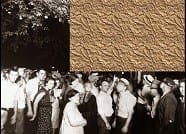
Lynching in the US in the 20th century 1919-54
Crammed into this very active lesson are: slow reveal of an arresting image; interesting information about the role of the press; song and lyrics of Strange Fruit; a short video…
Read More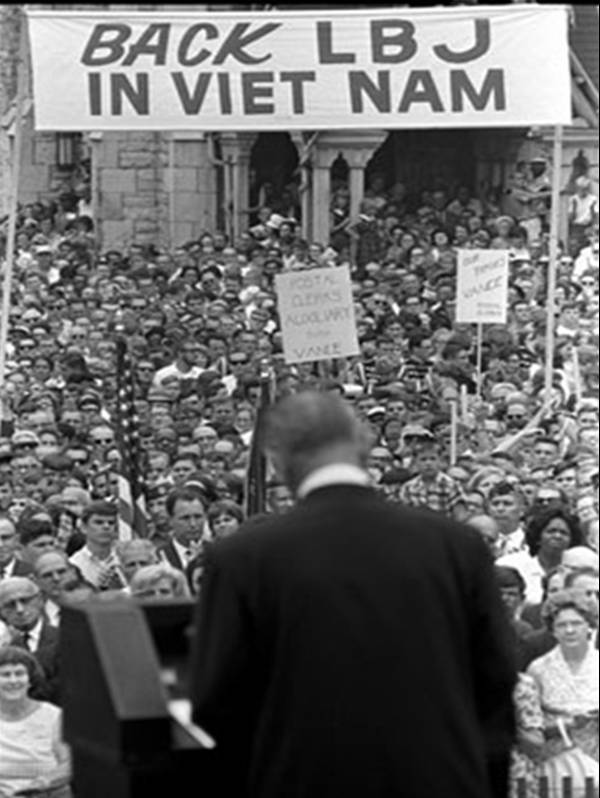
Smart Task: How popular was the Vietnam war? What can we learn from just two photographs?
This simple starter uses just two contrasting photographs, one showing the popularity of Johnson’s policy towards Vietnam, the other opposition to it. How can we explain the difference? Students generate…
Read More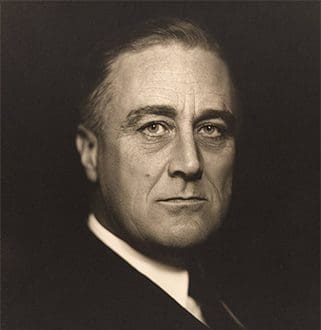
Hoover’s rubbish: Roosevelt moves in
This lesson on a fairly familiar theme approaches GCSE cartoon analysis in a different way. Instead of showing the students the cartoon they are to interpret, they are simply given…
Read More
Thoroughly Modern Millie: How do we know this song is about Flappers? A quick musical starter
Students are given the lyrics of a song about flappers (copy provided) and have to find 10 references that prove the connection. The first is done together as a whole…
Read More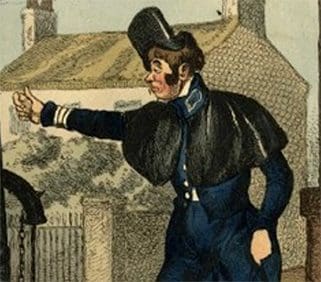
GCSE SHP Crime and Punishment: The Metropolitan police force in 1830: SMART TASK
This quick starter uses the slow reveal technique which encourages students to explore parts of a cartoon in a particular sequence, before revealing the whole. Using the animated PowerPoint presentation…
Read More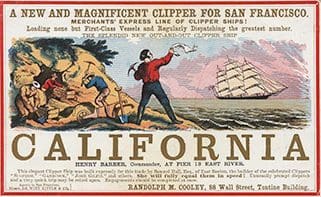
What was the impact of the Californian Gold Rush 1848-9? GCSE SMART TASK
In this series of short tasks GCSE students predict, infer, gather information and then improve existing explanations of the impact of the Californian Gold Rush. Firstly, students have to use…
Read MoreHow effective was the Metropolitan police force and how would we find out?
This enquiry-led activity focuses on students considering the possible evidence base, as well as knowing how to evaluate existing evidence intelligently. It starts with a humorous cartoon which is slowly-revealed…
Read More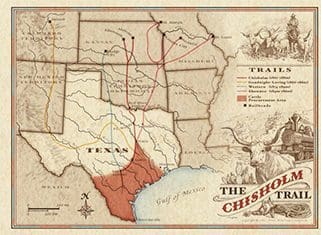
How can we explain the rise and boom in the cattle industry?
This enquiry starts with students posing 7 expert historical questions, stimulated by a graph. They then set about investigating their questions using a set of written clues supported by a…
Read More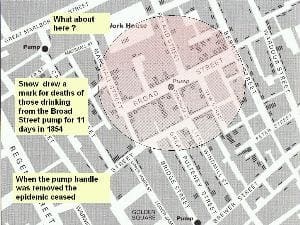
How did John Snow make the breakthrough with cholera?
This lesson focuses on problem-solving. Instead of simply telling students how clever John Snow was, or showing them a video explaining his breakthrough, students have to see if they can…
Read More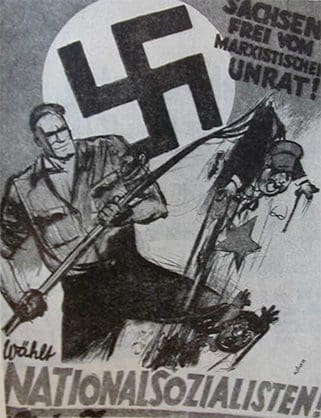
SMART TASK Key Stage 4: Working out what the election posters tell us about Who Voted Nazi
This simple task engages students in thinking for themselves why people voted for Hitler in the 1930s. It uses the simple but visually appealing medium of election posters. Students work…
Read More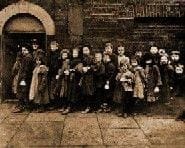
How far did the Liberal government of 1906-14 improve the health of children?
This highly relevant lesson offers a major contribution to the Every Child Matters agenda on staying healthy, as well as picking up the Jamie Oliver’s school meals initiative. After a…
Read More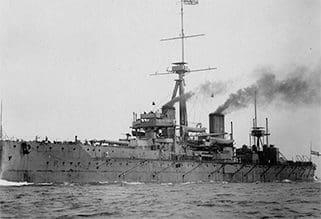
How serious was the German naval threat before the First World War?
This lesson launches an enquiry in which students work in teams to arrive at their own answer to this question. Following a very brief introduction, students are introduced to the…
Read More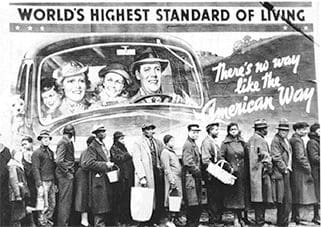
New Deal or No Deal? How has the New Deal been criticised?
This lesson is an active one in which students co-operate in order to put the best case they can against the New Deal. It is the first lesson on opposition…
Read More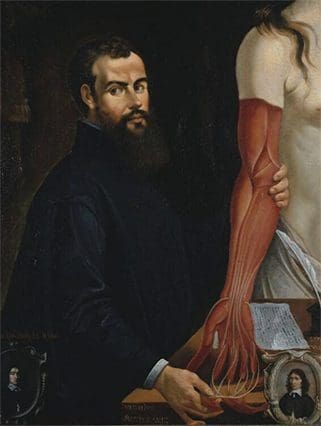
Vesalius’ claim to fame. Using the B.A.D formula to prepare for a BBC interview
The BBC is making a documentary on Renaissance medicine in which they have devoted two minutes to the work of Vesalius. Unfortunately, their Vesalius expert is ill and they thought…
Read More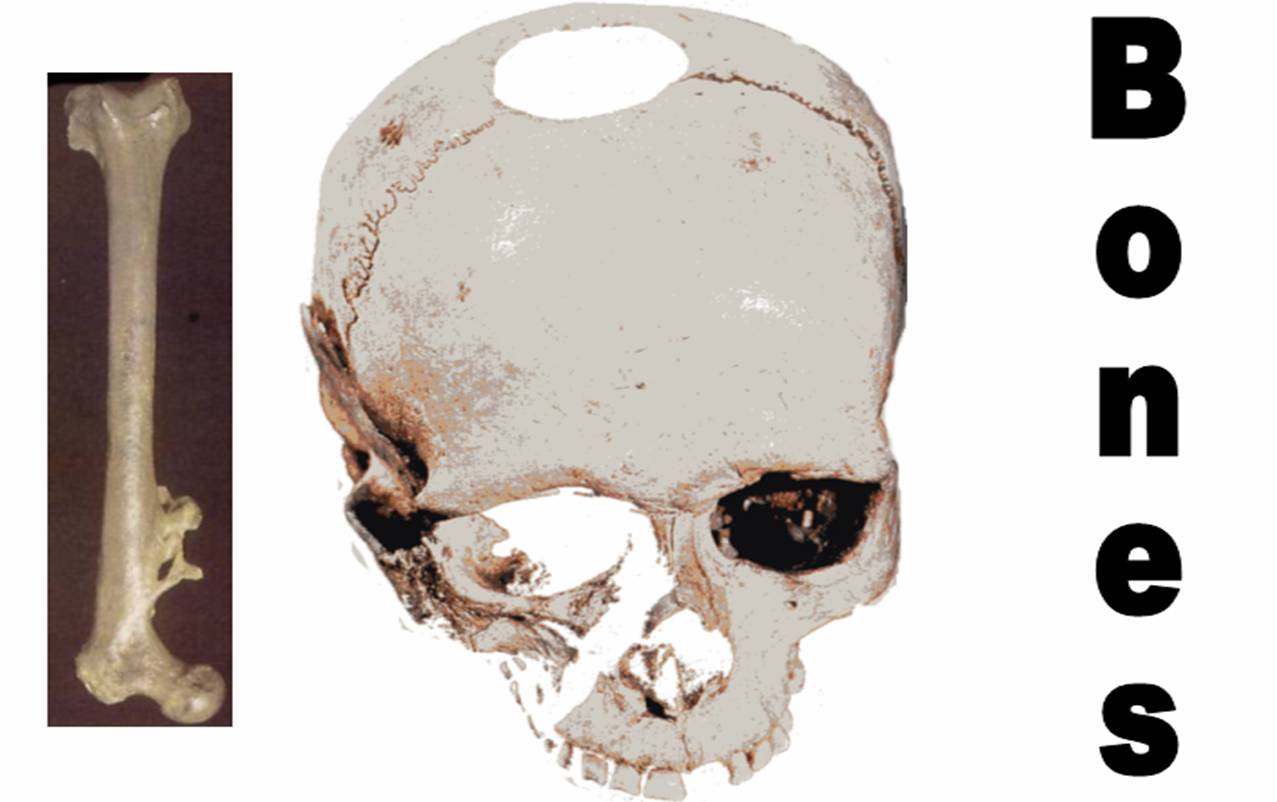
Prehistoric Medicine: Getting your GCSE course off to a great start
This lesson was taught by Mike Herrity when Head of History at Wildern School, Hedge End, near Southampton. On an OFSTED inspection the lead inspector pronounced the lesson quite outstanding…
Read More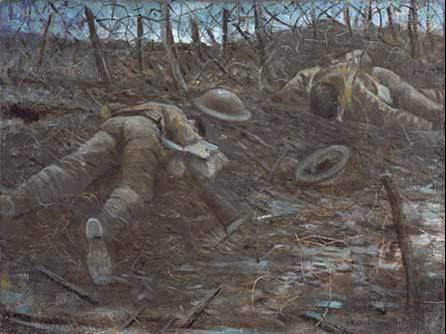
Why was this World War One painting censored?
Students studying Britain during World War One, whether it be for AQA, OCR or Edexcel, need to know about censorship. This deceptively simple lesson asks penetrating questions which both engage…
Read More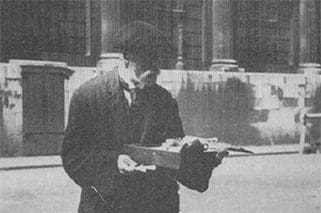
How have cartoonists portrayed the Liberals Old Age Pensions reforms?
This lesson takes a familiar cartoon but gives it an original twist. Instead of seeing the cartoon all at once, students see it in four separate parts, which in pairs…
Read More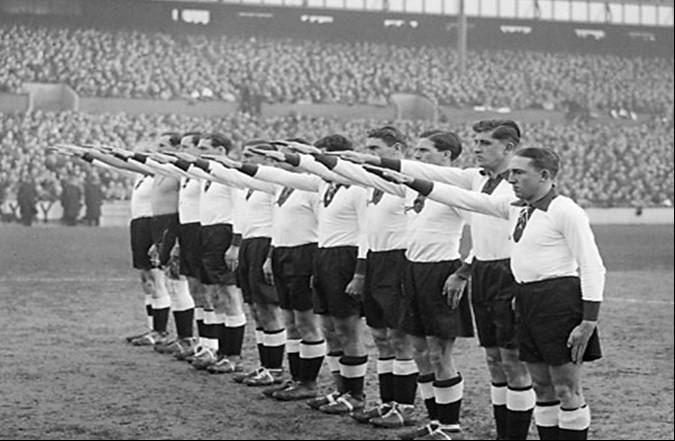
GCSE Modern World history: Using history of football to interest boys in Inter-war relations 1919-39
If you have ever found it difficult to motivate boys looking at the Inter-war years from 1919-39, why not try using football to tell the story. This quick activity, supported…
Read MoreWritten by Neil Thompson

All content on Keystage history is written and quality assured by Neil Thompson, a former history teacher, county history adviser and Ofsted inspector with more than 30 years’ experience in history education.