
KS1 History Resources, Lessons & Planning
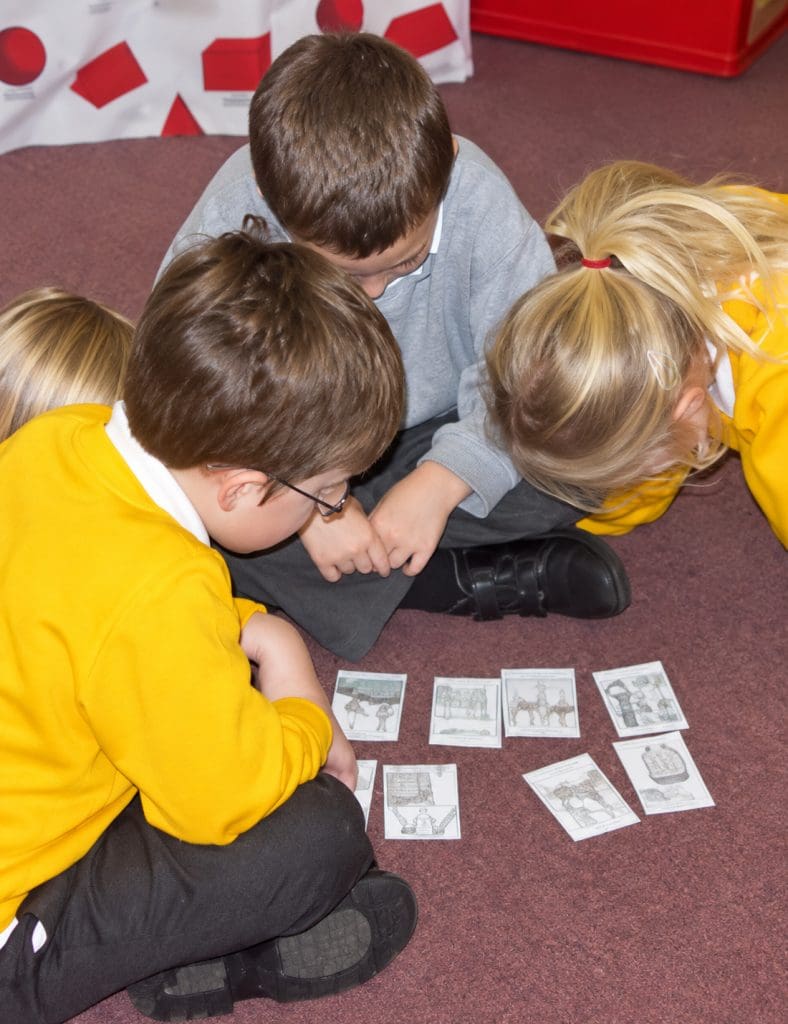
Explore our KS1 History Resources by Topic
Explore expert-created KS1 history resources, lesson plans, medium-term planning, PowerPoints, assessments, quizzes and knowledge organisers for Years 1 and 2.
You will find masses of advice on how to make KS1 history lessons fun and how to help pupils to take their first steps into the fascinating world that is the past. You will be helped to design and plan an exciting primary history curriculum in line with the requirements of the National Curriculum taking into account the difficult areas of assessment and progression in history. You also will be helped to make the most of history’s contribution to the whole curriculum by being shown cutting edge practice in the areas of cross-curricular planning, literacy, thinking skills and creativity.
If it is imaginative ideas for KS1 history lessons you are looking for, then you will definitely want to spend time in the teaching section with its hundred great primary history teaching strategies and in the learning section with its wide range of imaginative approaches and brilliant ideas for products that children will love.As a subject leader, you will find easily accessible advice that is ‘right on the money’. Years of helping hundreds of infant teachers with their history planning, resourcing, and monitoring in history, has enabled me to know exactly what is needed, and which support strategies really work.
| KS1 History Topic | Resources include |
|---|---|
| Amelia Earhart KS1 | Amelia Earhart lessons, flight history, assessment, quiz and significant-person resources |
| Amy Johnson KS1 | Amy Johnson lessons, flight and exploration activities and significant-person enquiries |
| Castles KS1 | Castle history lessons, chronology, change over time and enquiry activities |
| Caxton & Bell KS1 | William Caxton and Alexander Graham Bell lessons, planning and significant-person resources |
| Christopher Columbus KS1 | Columbus lessons, planner, knowledge organiser, assessment and exploration enquiries |
| Florence Nightingale KS1 | Florence Nightingale lessons, historical enquiries, planning, assessment and resources |
| Grace Darling KS1 | Grace Darling lessons, enquiry activities, planner, assessment and resources |
| Great Fire of London KS1 | Great Fire lessons, PowerPoints, scheme of work, assessment, quiz and knowledge organiser |
| Gunpowder Plot & Guy Fawkes KS1 | Guy Fawkes and Gunpowder Plot lessons, historical sources, role play and enquiry activities |
| Louis Braille KS1 | Louis Braille lessons, planner, significant-person enquiries and classroom resources |
| Mary Anning KS1 | Mary Anning lessons, medium-term planning, assessment, quiz and knowledge organiser |
| Mary Seacole KS1 | Mary Seacole lessons, planner, assessment, historical interpretation and resources |
| Moon Landing KS1 | First Moon Landing lessons, planning, enquiries, assessment and classroom resources |
| Nursery Rhymes EYFS and KS1 | Reception history activities using nursery rhymes to explore past and present |
| On the move (transport) EYFS and KS1 | Transport activities using to explore past and present |
| Queens KS1 | Elizabeth I, Queen Victoria and Elizabeth II lessons exploring monarchy and change over time |
| Reception History Topics | EYFS and Reception activities introducing children to past and present, chronology and historical vocabulary |
| Remembrance Day KS1 | Remembrance Day, poppies and First World War history lessons and activities |
| Rosa Parks KS1 | Rosa Parks lessons, Civil Rights history, enquiry activities, assessment and quiz |
| Scott of the Antarctic KS1 | Captain Scott lessons, exploration history, enquiry activities, assessment and quiz |
| Seaside Holidays KS1 | Seaside holidays through time, lesson plans, historical sources, comparison and planning |
| Titanic KS1 | Titanic lessons, historical enquiries, planning, assessment, quiz and knowledge organiser |
| Toys Past & Present EYFS and KS1 | Toys past and present lessons, chronology, historical comparison, planning and assessment |
| Wright Brothers KS1 | Wright Brothers lessons, history of flight, planner, assessment, quiz and resources |
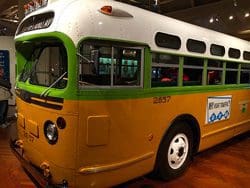
Rosa Parks – KQ4 – Why do you think Rosa acted as she did on that day that made her famous?
In this session pupils explore what drove Rosa to take her stand in December 1955, going beyond oversimplification of a tired seamstress to examining evidence that she was politically motivated….
Read More
Rosa Parks – KQ5 – How did Rosa’s action lead to life for black people getting better?
How did Rosa Parks’ refusal to give up her seat help bring about change? In this KS1 lesson, pupils become museum curators, sorting muddled pictures and captions to explore what…
Read More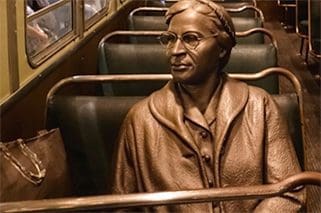
Rosa Parks – KQ6 – How should we remember Rosa Parks today?
How should we remember someone who helped change people’s lives? In this final enquiry, KS1 pupils draw on their learning about Rosa Parks to suggest and compare ways of celebrating…
Read More
Running timebox – First and foremost
Why Timebox teams? First and foremost, Timebox Teams should be fun. Behind the serious intent of improving pupils’ chronological knowledge lies the belief that constant repetition and familiarity with images…
Read More
Timebox – KS1 Pack
Mention the teaching of chronology to most infant teachers and their eyes glaze over. Their experience is that it is like picking up mercury with a fork. One minute the…
Read More
Taking on history leadership: doing the right things – 10 key steps
Taking on subject leadership can be a daunting prospect, especially if it is your first. When there is so much to do, and so many calls on your limited time,…
Read More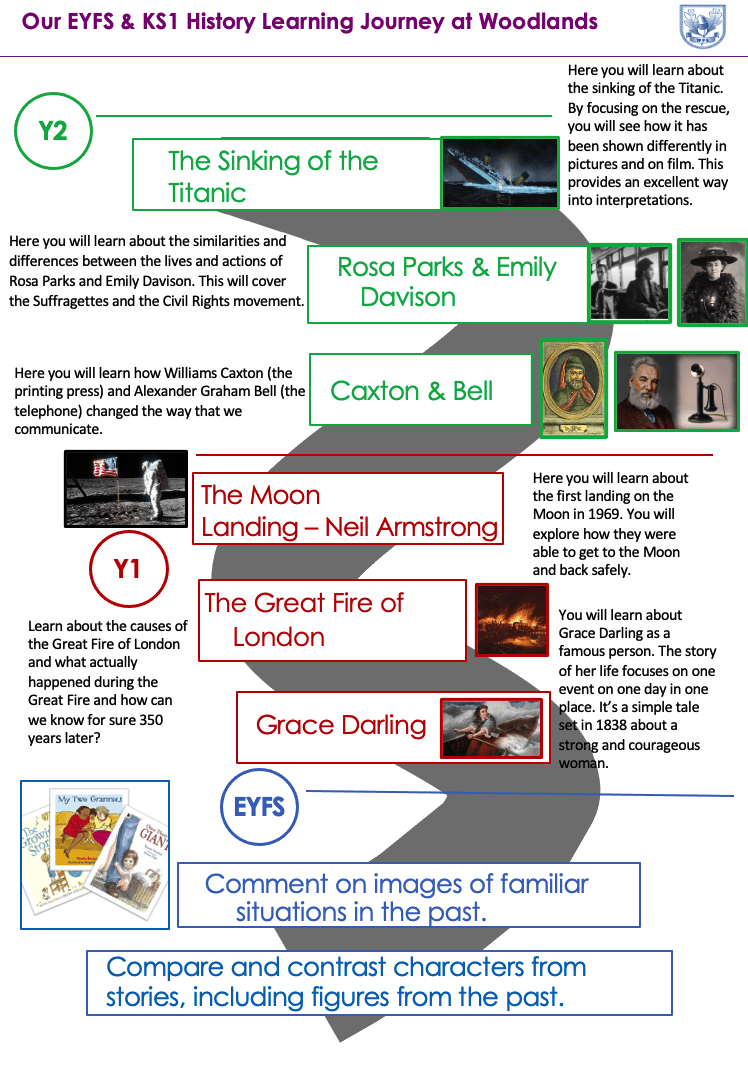
Example of School using learning journey format in history at KS1
In response to our launch of the KS2 learning journey in history, Matthew headteacher of Woodlands was inspired to create a similar one for his KS1 pupils which he has…
Read More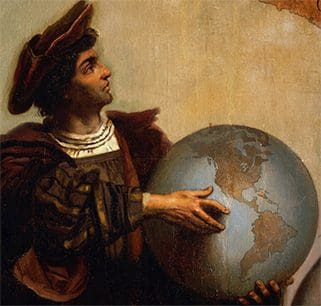
Columbus – KQ1 – Why do you think we still remember Christopher Columbus, even though he’s been dead for 500 years!
Pupils are in the role of history detectives. They are given 8 progressively revealing, mainly visual, clues in a controlled predetermined order, to elicit ideas as to why Columbus is…
Read More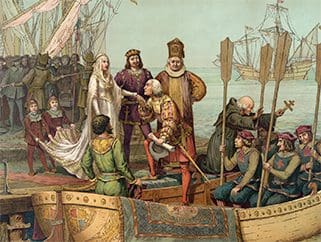
Columbus – KQ2 – How did Columbus become famous?
Pupils listen to an illustrated description of the main of episodes Columbus life which they then sequence from the jumbled images provided before creating a whole-class talking timeline of Columbus’…
Read More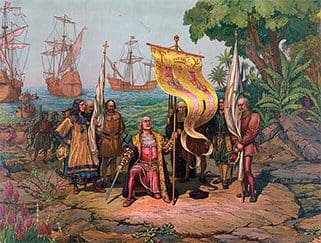
Columbus – KQ3 – What was Christopher Columbus’s motivation?
Driving at the heart of Columbus‘ motivation, allows pupils to build on what they have already deduced about his character as well as the political realities of trying to please…
Read More
Columbus – KQ4 – What was life like on board during such a long journey?
This question shifts the focus away from the actions of just one man and adds a colourful dimension to the topic. Pupils have to consider the hazards and privations on…
Read More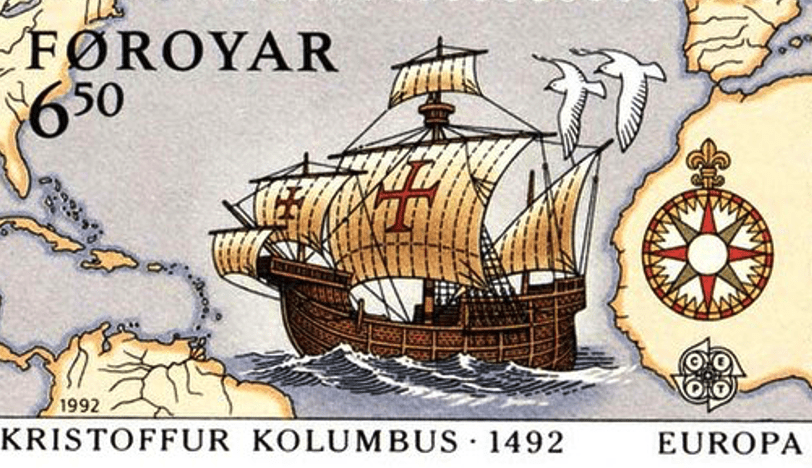
Columbus – KQ5 – How have opinions of Columbus changed in the light of new evidence?
In this session the focus is squarely on helping pupils to grasp that people’s opinions of Columbus have changed in the light of new evidence and new perspectives. It brings…
Read More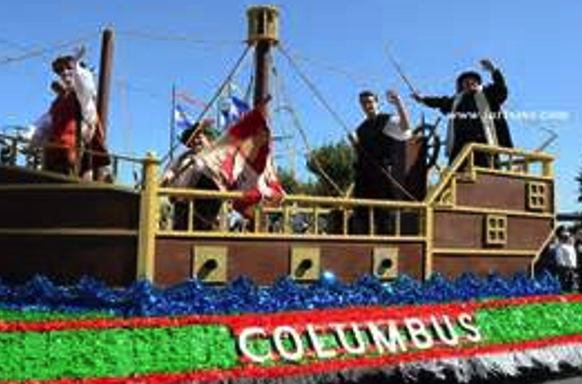
Columbus – KQ6 – How and why should we remember him?
Having seen the different ways in which Columbus achievements are still commemorated today, 500 years after his death, pupils have to sift through the arguments to distil what makes him…
Read More10 key messages about teaching significant people in KS1 history
The most important changes in the way we teach this aspect of the KS1 curriculum are: a. the need to link people through a theme, so that pupils make comparisons over…
Read More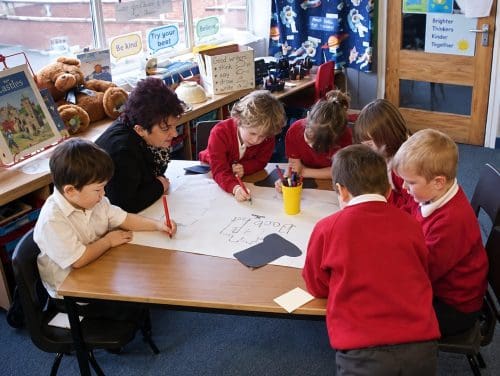
Common Assessment Tasks In History at KS1
It is often difficult knowing how to assess pupils’ historical thinking at KS1. Are we simply testing literacy and /or recall? But what about historical understanding? Faced with this problem,…
Read More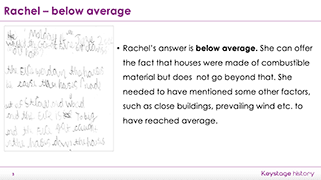
Judging pupils’ work in history at KS 1
This section of the site offers a few words of advice about assessing individual pieces of work and provides commentaries on actual examples of pupils’ assessed work from 2018 onwards….
Read More
Principles of good assessment in history at Key Stage 1
Assessment in Foundation subjects is not well-developed, and is nearly always found wanting in successive OFSTED reports. When assessment in the Core dominates is it really that surprising that teachers…
Read MoreProgression in history at Key Stage 1 by Skill / Concept
The problem Trying to secure progression within your Key Stage 1 history curriculum is not always as easy as it might seem. Sometimes it feels like trying to pick up…
Read More
What would your pupils say about getting better at history, when they leave your school?
Recently two university education departments carried out a broad-sweep survey of primary pupils’ experience of history at KS1 and 2 and asked specifically: “What does it mean to get better…
Read MoreIt’s time to think about the teaching of time at KS1 and 2
Time is probably the concept most fundamental to understanding history. This presents problems, of course, particularly with the youngest children. But just because its a slippery concept doesn’t mean we…
Read More
Scales of planning in primary history
Making sure you don’t leave out key things and don’t waste your time duplicating Planning can seem a real chore, but it is key not only to maximising the opportunities…
Read More10 top dos and don’ts of using knowledge organisers in primary history
Used well, knowledge organisers are a really powerful resource but it all depends on how they are used. However attractive and packed with facts it might appear, if it just…
Read More
I’m a new subject leader. How do I know if pupils are making the progress they should in history?
Getting a handle on progression is complicated. There are lots of superficially appealing lists of competencies that link to each age group each produced by commercial companies who have not…
Read More
Preparing for the new EYFS framework from September 2021
Teaching about the past in EYFS Although most schools and settings prefer not to refer to history as a discrete subject on the Early Years curriculum, there is always a…
Read More
KS1 Medium Term Planner for Spreading the Word: Caxton to Bell
The ‘significant people’ element of the KS1 history curriculum now requires pupils to compare achievements of individuals within a linked theme – in this case communication in a topic called…
Read More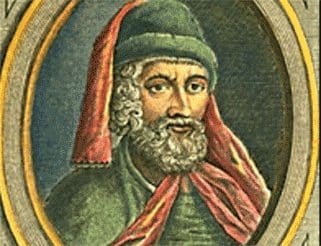
Caxton and Bell – KQ1 – What did Caxton do that was so important to us today?
Following a mysterious PowerPoint slow reveal in which pupils look for clues to Caxton’s fame, pupils are given a brief illustrated summary of the key moments in his life which…
Read More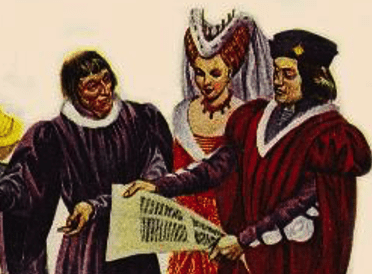
Caxton and Bell – KQ2 – Quick the King and Queen are coming! How Caxton changed the way books were made
Having shown pupils how books were made before Caxton’s time, the main focus of the lesson is on how the new system worked. To prevent this being a dull session…
Read More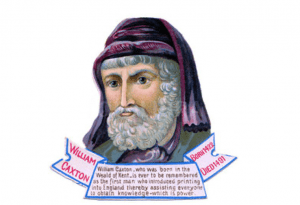
Caxton and Bell – KQ3 – How and why should Caxton be remembered?
Having discussed the possible options for ways of commemorating his achievement, pupils have to create a new plaque on his statue, because the old words have worn and faded away….
Read More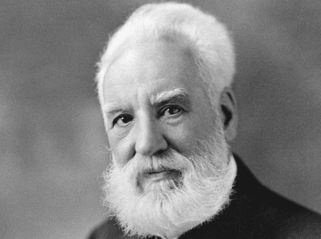
Caxton and Bell – KQ4 – How did Alexander Graham Bell manage to make a telephone work so long ago? and why did he want to?
The focus here is on sequencing of events, looking for turning points in his life and for his personal motivation. How did his life choices end up with him inventing…
Read More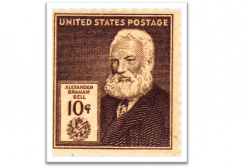
Caxton and Bell – KQ5 – Why was Bell’s invention so important, then and now? Bells and whistles!
Pupils write a plaque to go on the side of a new statue that has been built to commemorate Bell’s achievement in response to government’s offering a prize to the…
Read More
Caxton and Bell – KQ6 – How has the telephone improved since the days of Bell?
This session really helps pupils to get a strong sense of change through time, linking the past of Bell’s time to the present bringing things right up to date. It…
Read More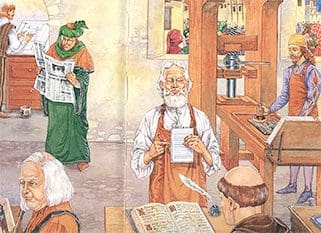
Fun activity on anachronism to help children develop a sense of period when learning about Caxton
Getting young children to develop a sense of period and an awareness of how different the distant past was to the present is never easy- a bit like picking up…
Read More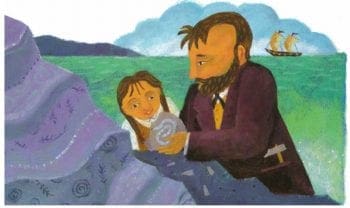
Mary Anning – KQ1 – Why do we remember Mary Anning?
This introductory session attempts to place Mary’s life in a broader context of time and place and to whet pupils’ appetite, without telling much of the story of her life….
Read More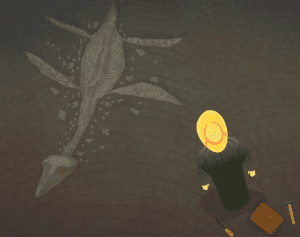
Mary Anning – KQ2 – What did Mary do in her life that was so special?
Pupils move from the sequencing of the major events of Mary’s life to a more sophisticated understanding of which of these events were the most significant. By creating a fortunes…
Read More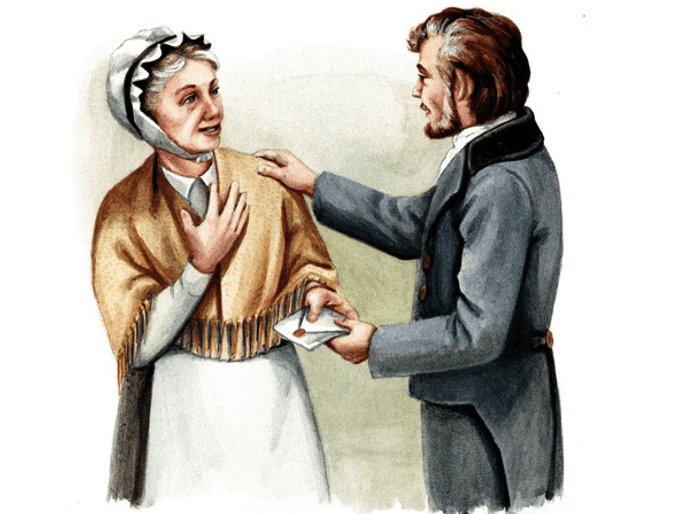
Mary Anning – KQ3 – What sort of person was Mary that helped her to succeed in a man’s world?
This a much shorter enquiry than the others, and comprises just three short activities Step 1 Having recapped the story of Mary’s life, ask pupils to work in small groups…
Read More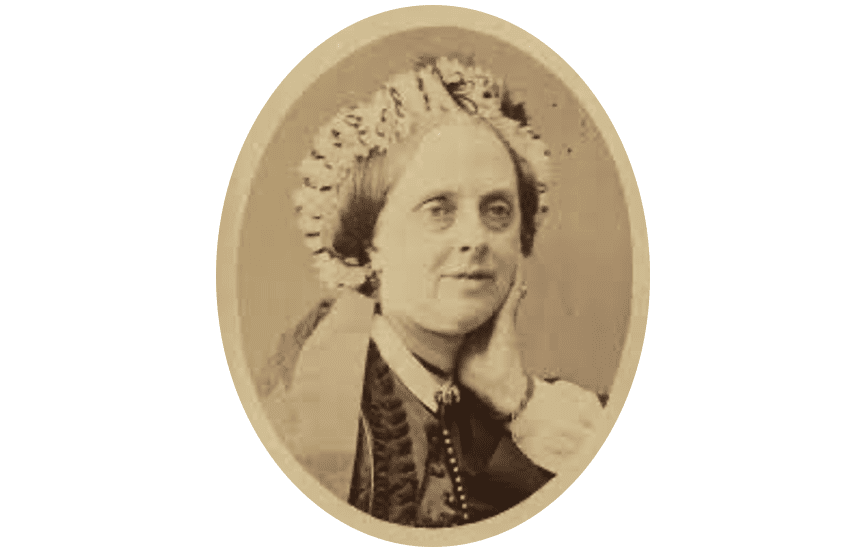
Mary Anning – KQ4 – Which other people were important in Mary’s life and why?
This activity is an interesting way of getting pupils to think about Mary’s life but in a non-narrative way. Instead of re-telling the story in sequence they have to look…
Read More
Mary Anning – KQ5 – How do we know about Mary’s actions which happened so long ago?
The main activity in this session is called Prove it! A number of pieces of evidence from Mary’s time are placed around the room, as if it were an art…
Read More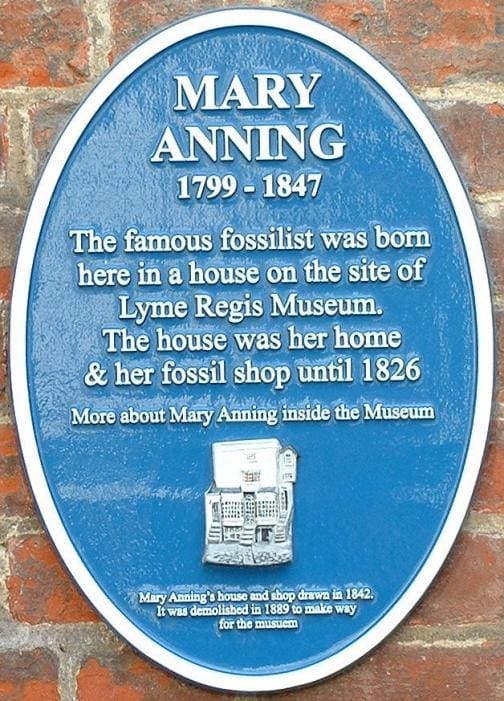
Mary Anning – KQ6 – How and why should Mary Anning be remembered? Have your say.
In Lyme Regis they are going to improve their museum dedicated to Mary Anning. It will cost a lot of money and the Council are not sure she deserves all…
Read More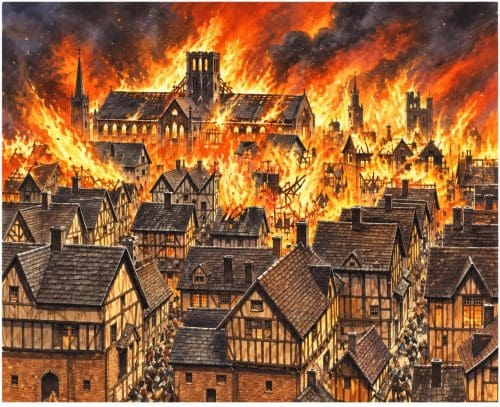
The Great Fire – KQ1 – How can we work out why the Great Fire started?
This innovative session places pupils right from the start of the enquiry in the role of detectives to discover when, where and why the Great Fire of London broke out….
Read More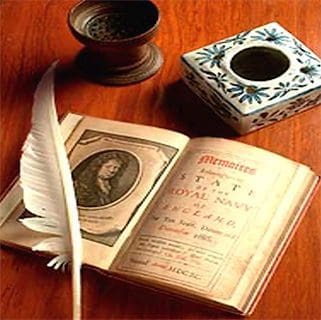
The Great Fire – KQ2 – What happened during the Great Fire and how do we know?
This lesson focuses on the idea of evidence and proof. Can pupils find evidence to back up statements made in books? Can they tell which is the strongest piece of…
Read More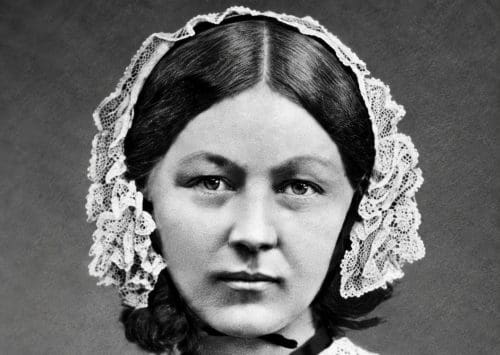
Florence Nightingale – KQ1 – Why do we think Florence Nightingale is remembered?
Pupils make deductions from a range of visual clues to see if they can work out what job Florence Nightingale did, before being told the story of her life through…
Read More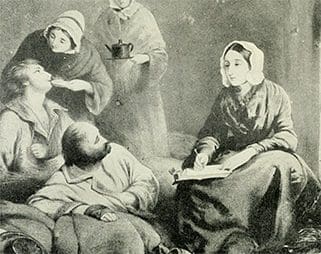
Florence Nightingale – KQ2 – Why did Florence place herself in such danger by going to the Crimea?
Who influenced her decision to go? Already introduced to the major events in Florence’s life, children now speculate on why she took the brave decision to go to the Crimea….
Read More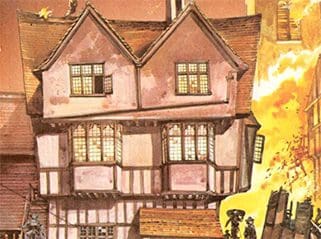
The Great Fire – KQ3 – Why did the Great Fire burn down so many houses?
This Great Fire lesson focuses on developing children’s powers of explanations. They will already have looked at the sequence of events and will be able to offer a few simple…
Read More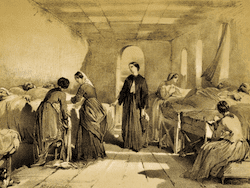
Florence Nightingale – KQ3a – Fighting Fit. What did Florence do to improve the lives of the soldiers when she arrived in the Crimea?
In this lesson children compare the appalling conditions in the hospitals on Florence’s arrival at Scutari. With the help of animated rats! They list the most significant problems and then…
Read More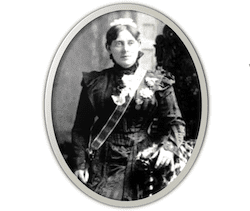
Florence Nightingale – KQ3b – Smart task – What did people really think of Florence Nightingale?
Did everyone admire Florence Nightingale, and did she deserve the medals she received? This KS1 smart task encourages pupils to explore differing attitudes to Florence through discussion and role play….
Read More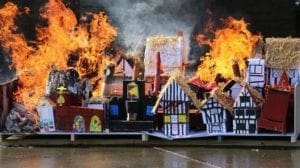
The Great Fire – KQ4 – Could more have been done to slow the spread of the fire?
This session comprises three distinct phases. The first is mime-based, looking at the firefighting methods used and discussing their disadvantages. The second looks at what action was taken to stop…
Read More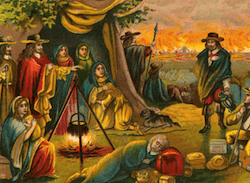
The Great Fire – KQ5 – How did people manage to live through the Great Fire?
Miraculously for a city that was the third largest in the world, consumed by a fire that lasted for days, very few people died, as far as we know. There…
Read More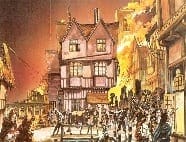
The Great Fire – KQ5 Additional Resource – Crowdfunding is nothing new
Extra information to support your teaching of Key Question 5 – Crowdfunding is nothing new As we stress in this KQ5 enquiry, it is important that you focus on the…
Read More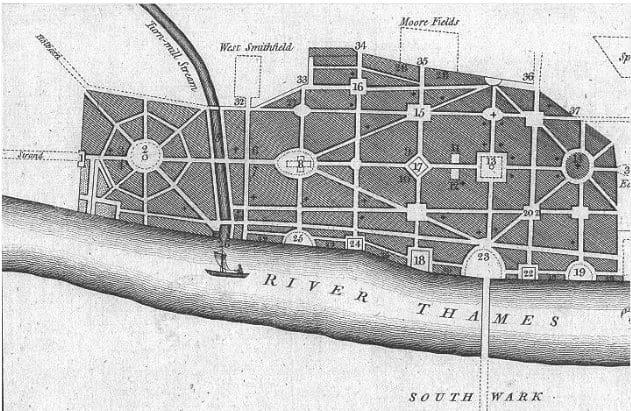
The Great Fire – KQ6 – How shall we rebuild London after the Great Fire?
This lesson gives full rein to children’s creative flair, disciplined by evidence. The City of London is offering a prize for the best design for a rebuilt London after the…
Read More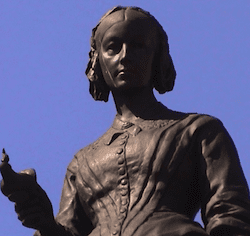
Florence Nightingale – KQ4a – What was Florence Nightingale’s greatest achievement?
Pupils have been drafted in to help with the wording on a statue to Florence Nightingale which had badly worn away over time and is now in danger of being…
Read MoreWritten by Neil Thompson

All content on Keystage history is written and quality assured by Neil Thompson, a former history teacher, county history adviser and Ofsted inspector with more than 30 years’ experience in history education.