
Teaching Year 9 History

Knowing and being able to explain the sequence in which your pupils will experience their history topics is an important part of the history subject leader’s role. But it can be difficult to be sure what works best. With our wealth of experience we are well placed to give you this crucial advice. Indeed, we nail our colours to the mast so that our planning, lessons, assessment and progression all follow the same rationale and are pitched to particular year groups.
Generally, the fine distinction between year groups cannot be empirically proven by research but having worked with 500 primary schools on their history curriculum over 18 years the following resources are suitable for year 9.
That does not mean it cannot be taught in other year groups. Of course, let’s face it, whether it is taught in term 3 Year 8 or 10 weeks later in term 1 Year 9 is hardly likely to matter that much.
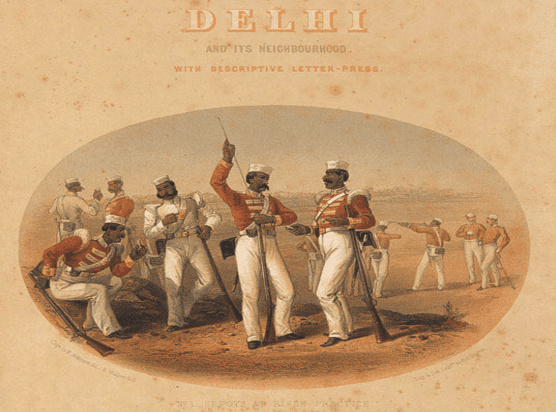
Indian Mutiny/rebellion of 1857
This lesson is aimed at Y9/GCSE students. It addresses three principal aspects of history teaching: How to be thoughtful and discriminating when selecting evidence that is relevant to answering two…
Read More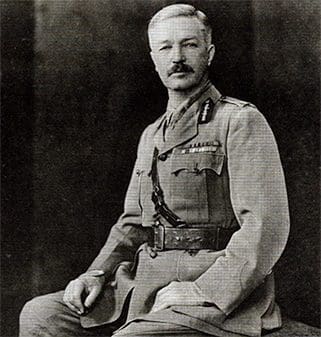
Rotten apple or …. How should we portray Dyer’s motivation in the Amritsar massacre?
This enquiry asks students to look critically at the depiction of the massacre in the film Gandhi as a way into trying to determine the motivation of Dyer. Students are…
Read More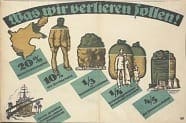
How should Germany be treated at the Paris peace conference? KS3 or KS4 task
This short but engaging task precedes any detailed analysis of the terms of the treaty itself. It has four distinct elements: prediction; analysis of a rarely seen German poster; attaching…
Read More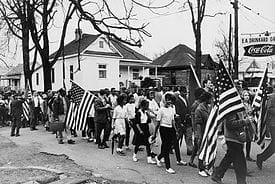
Free at Last? How far had the Civil Rights Movement come by 1963?
How far have Afro-Americans come in their struggle for equality over the last 160 years? With many schools operating a 2-year Key Stage 3 curriculum, it is important to offer…
Read More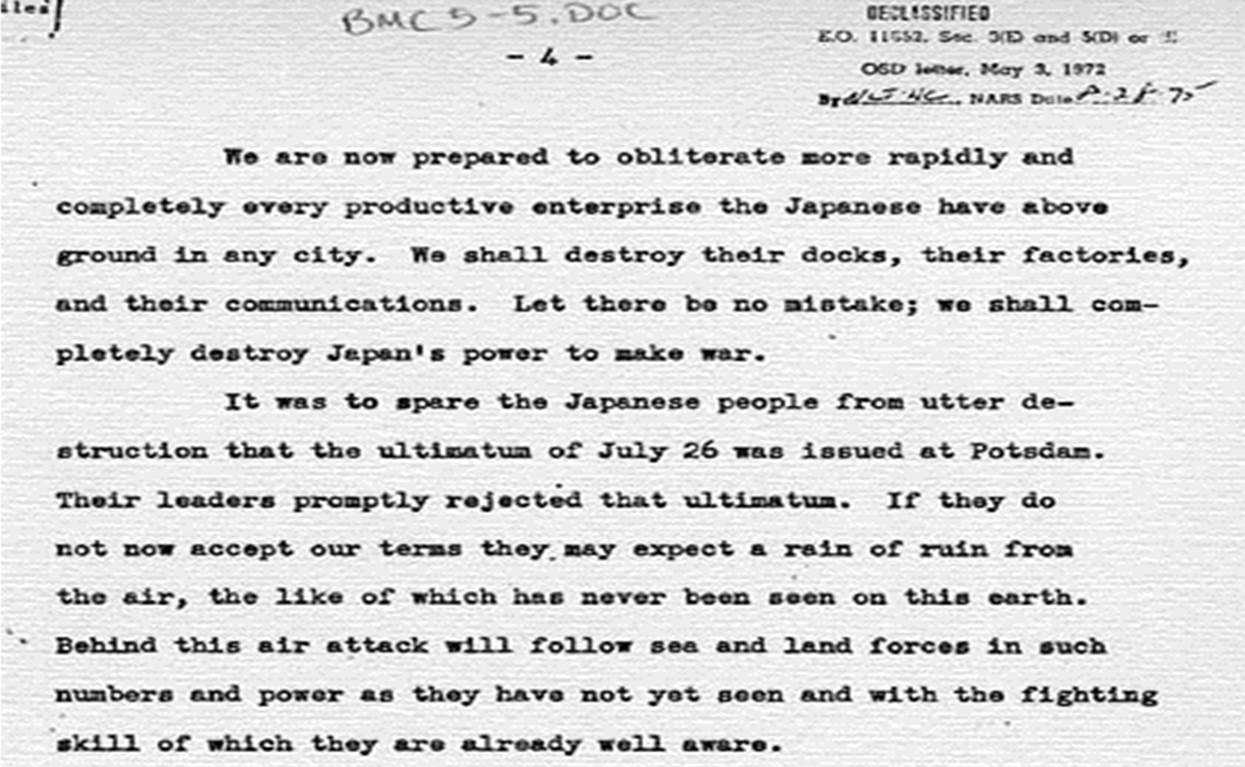
Why did President Truman drop the atomic bombs in August 1945? A study in interpretations SMART TASK KS3
This is a well-covered topic and most of you will already have your own favoured approach. For that reason I am not offering just one lesson but instead a series…
Read More
SMART TASK: 10 features of the Cold War but can you spot them?
Students often learn about the Cold War in chronological order. This activity offers them an opportunity to explore 10 aspects of the Cold War. You could make your own visual…
Read More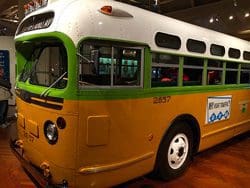
SMART TASK: How significant was the Montgomery Bus Boycott in the history of Civil Rights?
Quick ranking activity for GCSE/AS students Students are asked to consider the relative significance of 11 possible arguments that have been used by historians who claim that the Montgomery bus…
Read More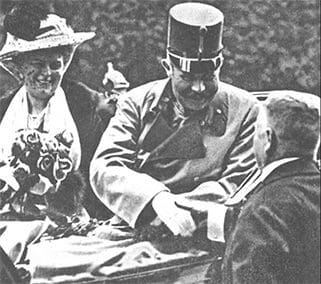
Something about an ostrich – the assassination of Franz Ferdinand as a mystery to be solved
Pupils are fed information, asked to formulate their theories on who was killed, who did it, how, why and when. I am grateful to Steve Rollett, Head of History at…
Read More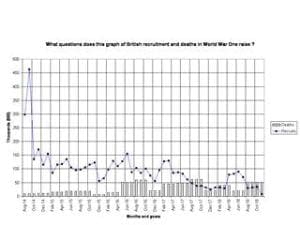
Did the number of deaths on the Western Front in World War One have any effect on the numbers joining up?
This superb lesson was the original idea of the history team at Toynbee School, near Southampton, and specifically the work of Rowena Roach and the Head of Department Graham Hinves….
Read More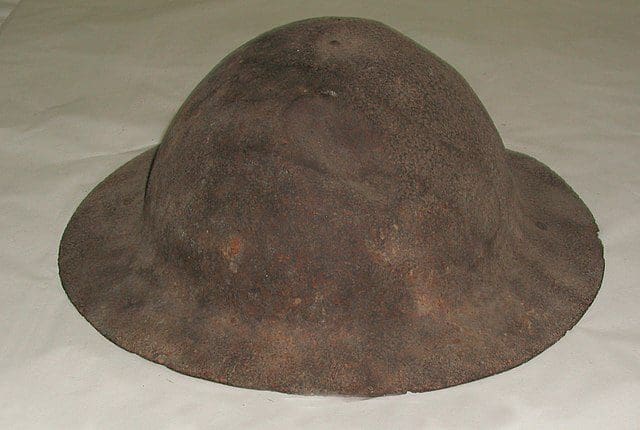
Puzzle corner: The strange case of the steel helmet
A short intriguing starter activity for pupils presents them with a puzzle to solve. In the First World War, why did head injuries increase when the metal helmet replaced the…
Read More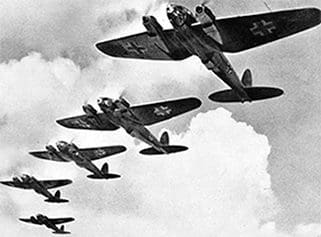
Why did Germany lose the Battle of Britain?
If Britain was only a few days away from defeat in August 1940 how on earth did she win the Battle of Britain a month later? PLEASE NOTE – This…
Read More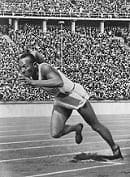
Which modern Olympic Games am I? Short KS3 Smart Task
This engaging smart task on the Olympics in the 20th century focuses pupils’ attention on significant individual games as a prelude to drawing out weightier themes. Worksheet and answers in…
Read More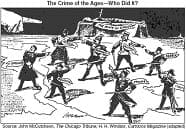
KS3 & 4 The Causes of World War One: The Blame Game
This smart task which can be used from Y9 or for GCSE can be used as a form of diagnostic assessment to see to what extent students can attribute blame…
Read More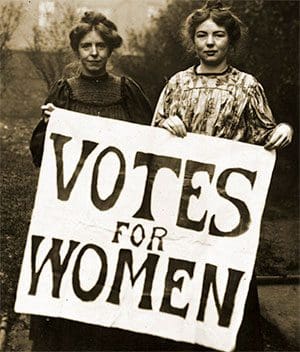
Why did some women get the vote in 1918? How do YOU see it?
This lesson provides an excellent example of active learning, combining thinking skills and work on interpretations. Students start with one historian’s construct. They have to read the historian’s mind, that…
Read More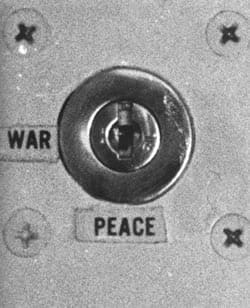
Smart Task: How close to World War Three did the world come in the 65 years after World War Two?
Helping pupils to develop overviews of different timescales is central to the Key Stage 3 curriculum. When so few carry on post-14 to study the 20th century (probably only 1…
Read More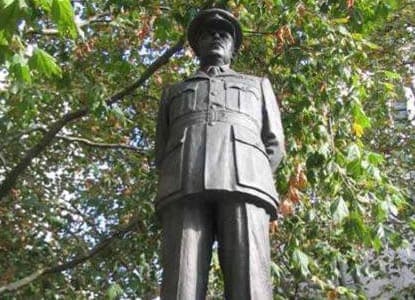
Smart Task: Was the bombing of Dresden justified?
Should the statue to Bomber Harris be removed? It is now 20 years since the statue to Bomber Harris was erected in Trafalgar Square. Pupils are asked to consider whether…
Read More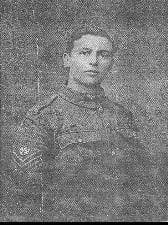
Why did 15 year-old boys want to join up in 1914?
At the heart of this lesson lies a history mystery. Many of you will have seen something similar in Peter Fisher’s book on thinking skills in history. Whilst the core…
Read MoreWritten by Neil Thompson

All content on Keystage history is written and quality assured by Neil Thompson, a former history teacher, county history adviser and Ofsted inspector with more than 30 years’ experience in history education.