
Teaching Year 8 History

Knowing and being able to explain the sequence in which your pupils will experience their history topics is an important part of the history subject leader’s role. But it can be difficult to be sure what works best. With our wealth of experience we are well placed to give you this crucial advice. Indeed, we nail our colours to the mast so that our planning, lessons, assessment and progression all follow the same rationale and are pitched to particular year groups.
Generally, the fine distinction between year groups cannot be empirically proven by research but having worked with 500 primary schools on their history curriculum over 18 years the following resources are suitable for year 8.
That does not mean it cannot be taught in other year groups. Of course, let’s face it, whether it is taught in term 3 Year 7 or 10 weeks later in term 1 Year 8 is hardly likely to matter that much.
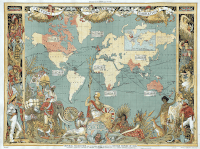
British Empire – How can we infer so much about the empire from a study of just one map and the person who created it?
This session starts by looking at the information to be gleaned from a well-known 1886 map of the empire and ends with them writing an evaluative expert caption to accompany…
Read More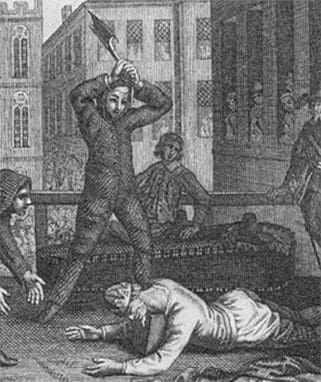
The execution of Charles I – advising a film director: a study in source analysis and evaluation
This lesson uses a set of 4 contemporary images and a secondary narrative account to examine how the author seems to have used some sources and rejected others. By trying…
Read More
So you think your pupils know about Witchcraft in early modern Britain.
1. Were witches burned in English-speaking countries? A. No, they were hanged not burned, because witchcraft was a felony. This was also true in North America. 2. Were millions of…
Read More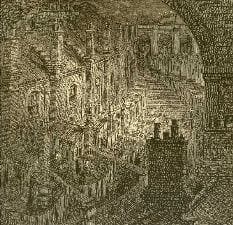
Did London really look like this in 1870? Your chance to test the evidence
Pupils are shown an engraving produced by Gustav Dore in 1872. It is the one you often find in KS3 textbooks as if it were a photograph representing what London…
Read More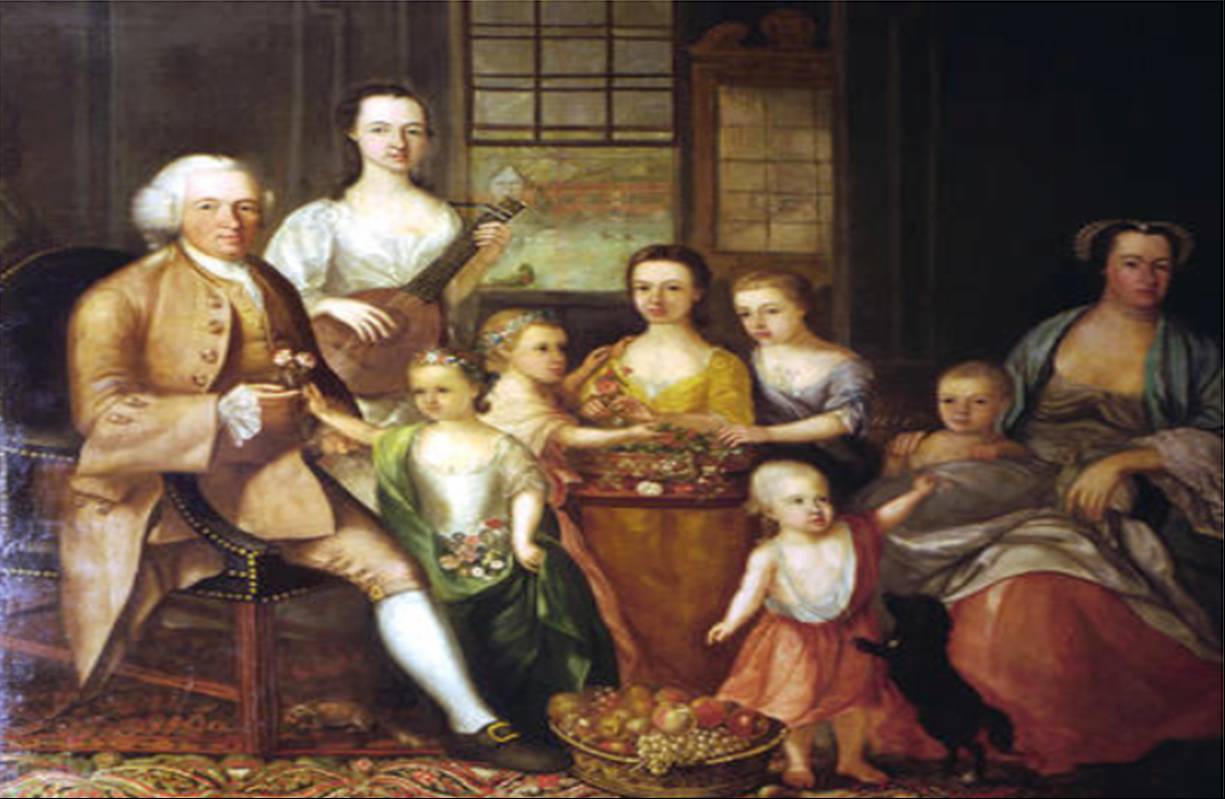
Puzzle corner 3: the strange case of the missing slave
Pupils will find that this example of a black slave, painted out of an eighteenth century painting of a tobacco lord’s family, makes an intriguing starter to any lesson on…
Read More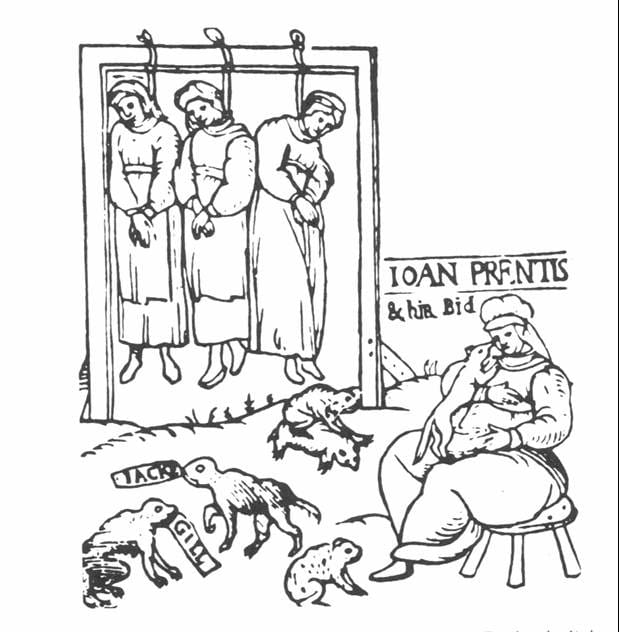
Why were so many witches hanged in the 16th and 17th centuries?
Can we beat the textbook explanation? The inspiration for this lesson came from the talented history department at Court Moor school and in particular the outstanding history subject leader Claire…
Read More
Why did sons kill fathers in the English Civil War? The Verneys enquiry
Pupils in this Year 8 class had already looked at background causes of the English Civil War and had a clear grasp of the narrative of events 1625-42. They had…
Read More
Did the Great Fire really end the Great Plague of 1665?
In this one-lesson enquiry pupils look carefully at statistics and maps in order to challenge received opinion. To do so they must raise as well as answer questions and need…
Read More
English Civil War enquiry: was the last year of the war more about sieges than pitched battles?
This enquiry lesson asks students to use a dataset about the last year’s fighting in the English Civil War to come to a conclusion as to whether it was a…
Read More
Why study the Mughal Empire at Key Stage 3?
Reasons for studying this period above the other tempting options are: The Mughal Empire was the greatest of the Muslim empires of the early modern period. The Mughal Emperor ruled…
Read More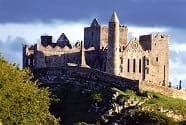
Cromwell a reputation deserved. KS3 Smart Task
This short task focuses on an entry from a website used by lots of people today, mainly in Ireland, to find out about Cromwell’s time there. Pupils are asked to…
Read More
Early Modern Britain 1500-1750 Smart Task: Editor’s Pencil
A quick overview activity in which pupils have to spot and correct 20 deliberate mistakes. Pupils are given an activity with a summary of the changes that took place in Britain…
Read More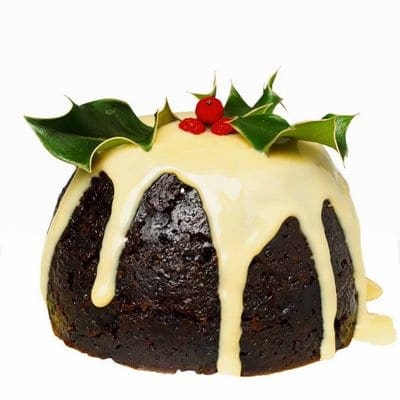
What can we learn about the Empire from a Christmas pudding?
This lesson starts with a simple fun activity, working competitively in teams to locate the source of ingredients for an Empire Christmas pudding using a world map to help. Pupils…
Read More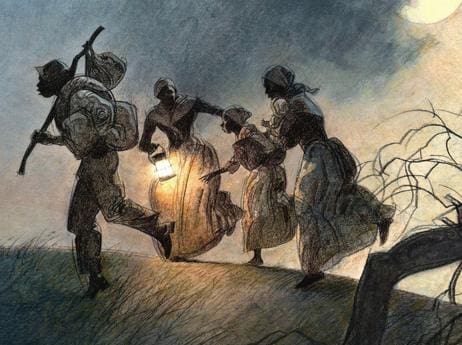
What made runaway slaves successful?
This short enquiry enables pupils to come up with their own ideas about runaway slaves working from first hand evidence of adverts for the slaves ‘arrest’. They work in pairs…
Read More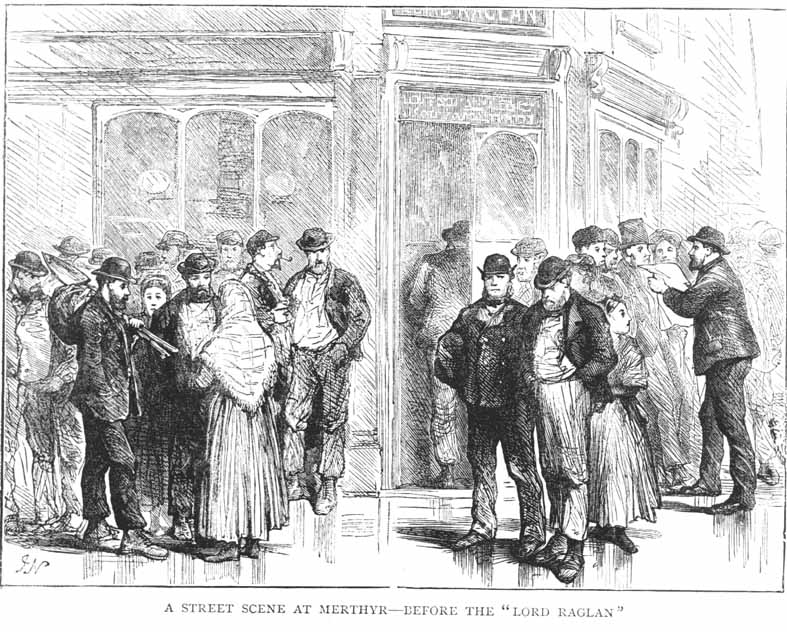
If life was so hard in Victorian cities, why did Wilf move his family there?
If life was so hard for families in the towns why did so many leave the countryside and move to the towns in Victorian times? – a history mystery Starting…
Read More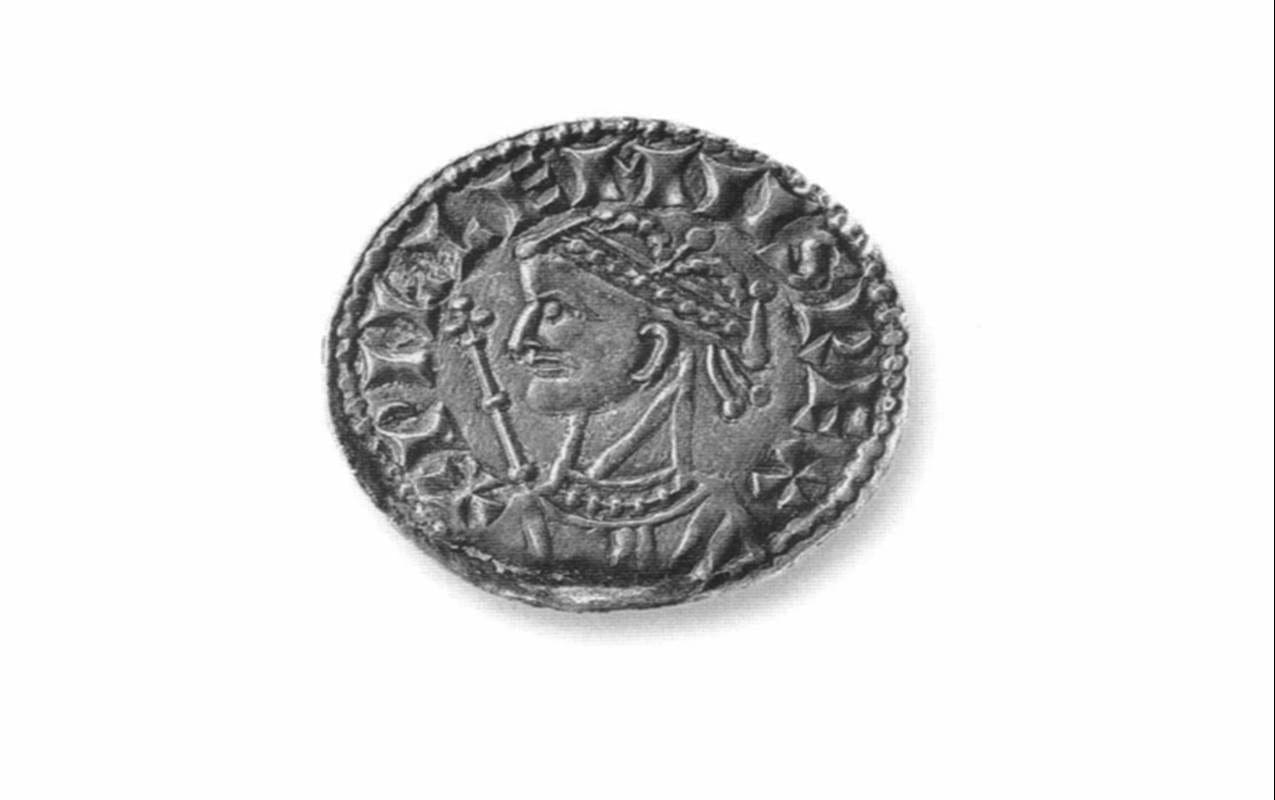
Smart Tasks – Minted: Telling the story of changing British rulers by exploring 10 significant coins
If you are looking for an interesting way of offering pupils overviews or of looking at the concept of significance, then you might find the accompanying PowerPoint helpful. The theme…
Read More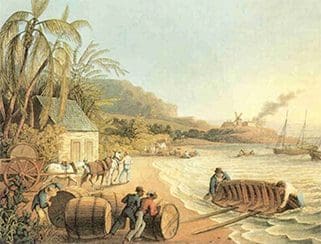
What can we learn about the slave trade from just one poem?
This lesson uses a very simple source to help pupils to get a feel for some of the issues they will be investigating in the weeks ahead in their slavery…
Read More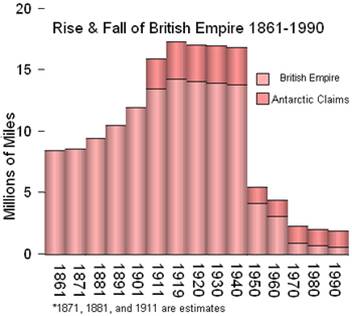
Smart Task: End of Empire: Why did it all end so quickly?
This SMART task ask pupils to classify a number of different smaller reasons why The Empire declined and fell, under four bigger headings. But they are not told what these…
Read More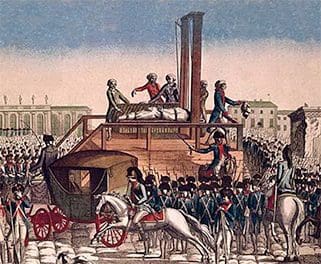
Execution of Louis XVI
Enquiry question: When the French Revolution started in 1789, few wanted the death of the king or the end of monarchy. But just 4 years later the king’s head has…
Read More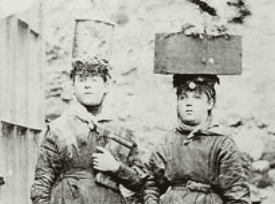
Puzzle Corner 2: Analysing Victorian photographs: the puzzle of the Tredegar patch girls.
Beguilingly simple, but actually quite thought-provoking, this short smart task teaches pupils not to take things at face value – a key skill if they are to progress in history. …
Read MoreWritten by Neil Thompson

All content on Keystage history is written and quality assured by Neil Thompson, a former history teacher, county history adviser and Ofsted inspector with more than 30 years’ experience in history education.