
Keystage history
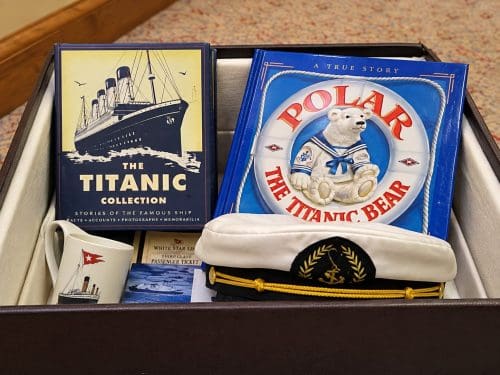
Using artefacts to help children’s historical understanding at Key Stage 1
Since the early 90s, artefacts have become increasingly available either to purchase or to loan. Many firms offer useful replicas and schools have built up their own small collections on…
Read More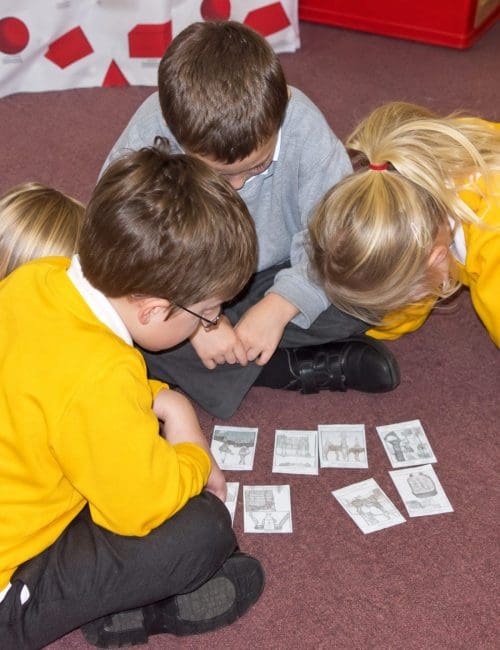
Outstanding Lessons: Key Stage 1
If you have ever searched the internet for inspiration for your history sessions you will know how frustrating it can be. Luckily the answer is at hand. Built up from…
Read More
Don’t let AI do the thinking
One of the problems we are all facing is pupils’ over-reliance on AI for tidy and time-saving answers. It is the very fact that pupils can get quick answers that…
Read More
Black history month 2026
Black History Month is a time every October when we celebrate the achievements, stories, and contributions of Black people — in Britain and around the world. It helps us learn…
Read More
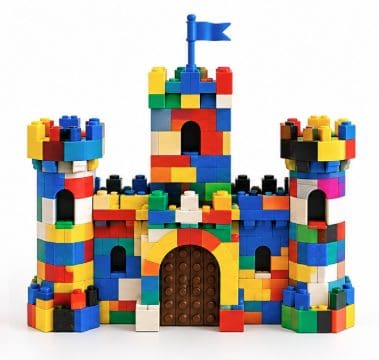
The Lego analogy to help improve children’s thinking about history
Looking through the most recent Historical Association journal of Teaching history (TH204, September 2026) I was taken with an article by Sarah-Jane Bee who had successfully used the analogy of…
Read More
How to interview pupils
The pupil voice: let the children speak This article draws on the wisdom, insight and practical experience of my friend and colleague Ken Wilby who was the English inspector who…
Read More
The 10 best ways to differentiate for lower-attaining pupils in KS3 history
The theory first Probably the neatest way to encapsulate all these different ideas is in the 3 words COULD SHOULD WOULD In terms of COULD, this means that you start…
Read More
The Curriculum and Assessment Review on history September 2026 update – Implications for GCSE history
The Curriculum and Assessment Review has singled out GCSE history as requiring ‘significant review’. There have been calls to tackle the content overload and reduce content significantly, and the review…
Read More
Dealing with misconceptions – An example from Y3 ancient civilizations
If you are wrestling with the best way to cover all ancient civilizations, rather than just looking at Ancient Egypt, you might be grateful for this new overview activity in…
Read More
What your EYFS history teaching should be focussing on
When deciding how EYFS might contribute to pupils’ understanding of the past, it is important that we don’t overcomplicate matters or be too ambitious too soon. So getting the right,…
Read More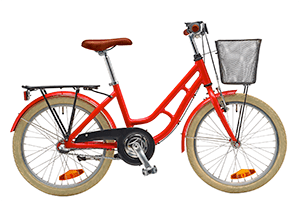
On the move – assessment task
Pupils sequence 3 images of transport over the last 60 years Subscribers only: You must be logged in to view this content in full. Please Login or register
Read More
On the move – EYFS – KQ1 – What different types of bicycle do we all ride nowadays?
Collection of wheeled vehicles, trikes, scooters etc. What do they have in common? And what is different? Develop vocabulary needed for subsequent discussion e.g. wheels, pedals, spoke, tyre, saddle, handlebars,…
Read More
On the move – EYFS – KQ2 – What did we use to move around when we were younger?
Discuss and decide which ages of people would ride in or ride on each bicycle. What features do all the bicycles have in common? Why do some of the bicycles…
Read More
On the move – EYFS – KQ3 – How are the bikes of others in the family different to ours?
Pupils are shown images of older children and adult bikes which they have to match to individual who would ride them nowadays. Who rides THIS bike? matching activity Introduce language…
Read More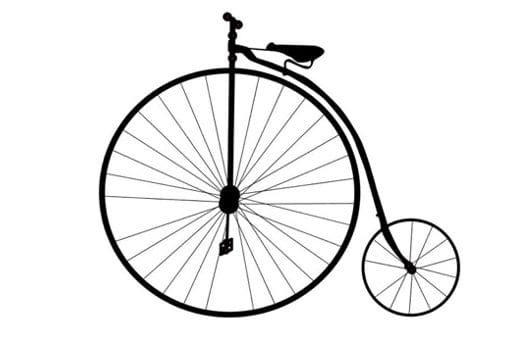
On the move – EYFS – KQ4 – How different were bikes when your grandparents were your age?
Pupils can sort 6 images into ‘then and now’ and identify 3 ways in which they knew that three were 60 older than the rest. What’s missing? Children are shown…
Read More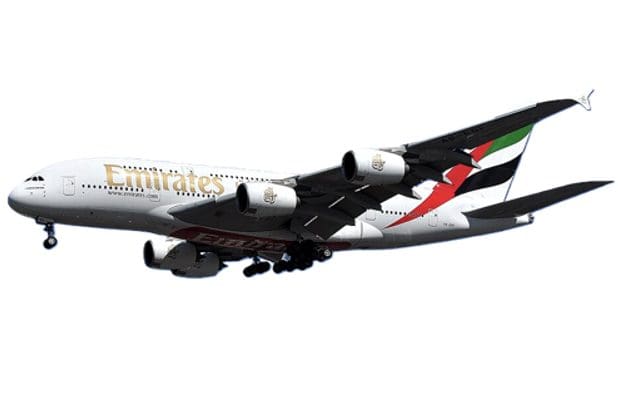
On the move – EYFS – KQ5 – How else do we move around today?
How else do we move around today? Children are able to list at least 4 different types of most popular vehicles e.g. car, train, plane, boat etc then variants of…
Read More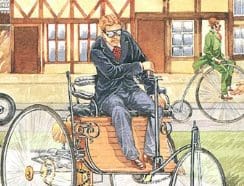
On the move – KS1 – KQ6 – How has transport changed since your grandparents were your age?
Some children extend their understanding of change by sequencing three images. Children increase their vocabulary by including phrases such as in my parents or grandparents’ time. Activity 1 Research when…
Read More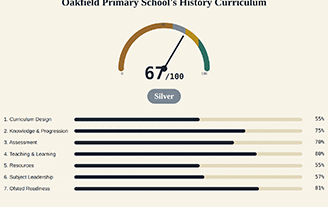
Introducing the Primary History Curriculum Health Check
As we know schools are under more pressure than ever to demonstrate the effectiveness of their history curriculum, not just deliver it. Ofsted deep dives, MAT curriculum reviews, and governor…
Read MoreRefining your use of AI in primary history. A second look
In our first detailed article on AI and history in primary history we explored the best ways of using AI and promised to follow this up with a further article….
Read More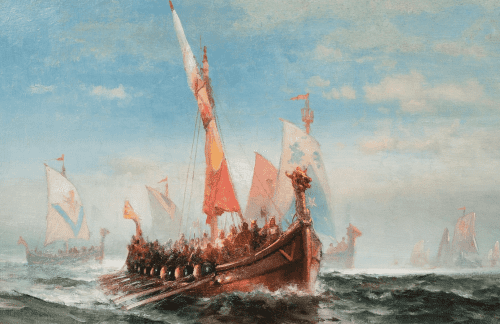
Teaching the Vikings: seeing the wood for the trees
Whenever you teach a topic as exciting and colourful as the Vikings there is a strong temptation to focus on the stereotypical image of the Vikings which pupils find so…
Read More
Using history to help create a more cohesive society
In March 2026 the British government published its policy paper on community cohesion: Protecting What Matters: Towards a more confident, cohesive and resilient United Kingdom. It makes a very strong case…
Read More
Leaving Y6 with a Big Picture of history in mind
I often wonder what sort of lasting experience of history pupils leaving school in Y6 take with them. Will it be the experiences of a memorable field trip, a hands-on…
Read More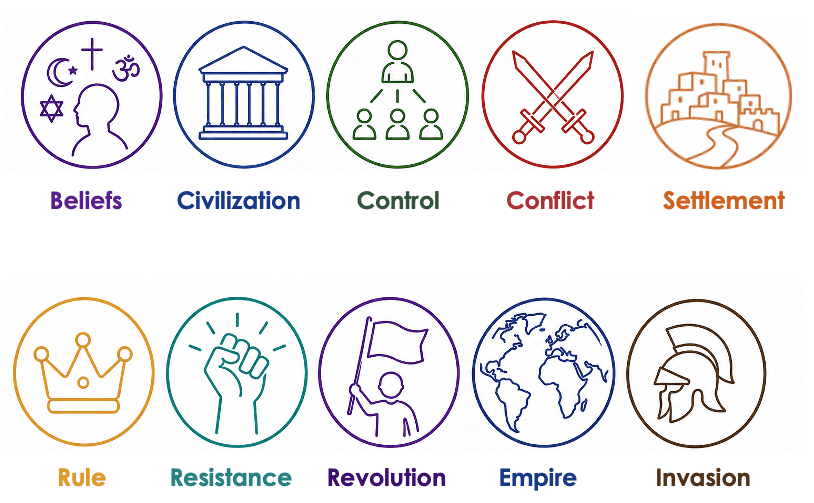
Teaching historical concepts at KS2 : from lists and definitions to meaningful encounters
Many of you have been asked to include in your long term planning evidence of coverage of specific historical concepts, such as the ones listed in the National Curriculum and…
Read More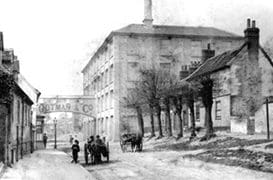
Ipswich – significant people and events
Ipswich is one of England’s oldest continuously inhabited towns, with a history shaped by trade, craftsmanship, and maritime connections. Settlement in the area dates back to Roman times, but Ipswich…
Read More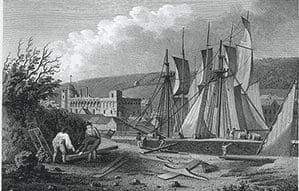
Swansea – significant people and events
As a coastal city Swansea’s history has been shaped by trade, industry, and its role as a gateway between Wales and the wider world. The area has ancient origins, but…
Read More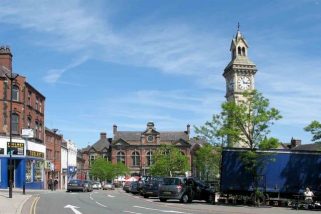
Stoke on Trent – significant people and events
Stoke-on-Trent’s history is closely linked to pottery, industry, and the development of modern manufacturing. The city was formed from six towns—Tunstall, Burslem, Hanley, Stoke, Fenton, and Longton—collectively known as “The…
Read More
4 key things you need to know about the likely shape of the new history curriculum for first teaching in 2028
1.There seems to be a commitment from the DfE to ensure that the revised National Curriculum is not significantly different to the existing version which has been in operation for…
Read More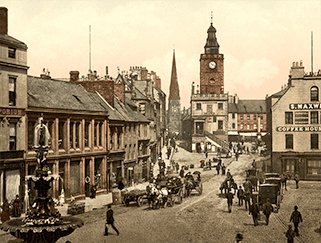
Our Top 10 resource suggestions for your local history topic at KS1 and 2
By way of celebrating local history month in May we are offering you top 10 resources you can’t afford to overlook. These sit alongside the other advice files on overall…
Read More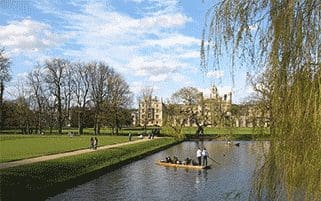
Cambridge – significant people and events
Cambridge is obviously best known for its role in education, learning, and intellectual life. Although settlement in the area dates back to Roman times, Cambridge really began to grow in…
Read More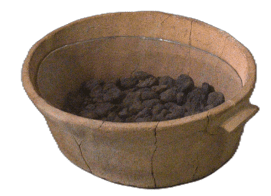
Much more than meat munchers and berry chewers
Why the Bronze Age diet was more varied and sophisticated than we first thought A new study from the University of York has suggested that, far from simply hunting and…
Read More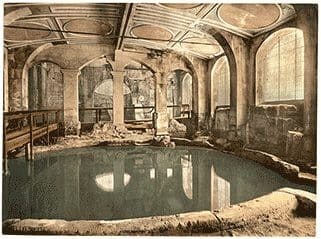
Bath – significant people and events
Bath’s identity has been shaped by hot springs, architecture, and centuries of visitors. Its story begins in the Roman period, when a major bathing and temple complex was developed around…
Read More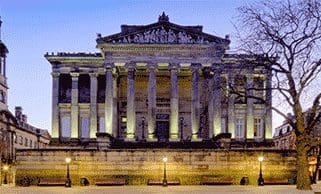
Preston – significant people and events
Preston’s development reflects the wider story of England’s industrial growth. Although settlement in the area dates back to Roman times, Preston first became important in the Middle Ages as a…
Read More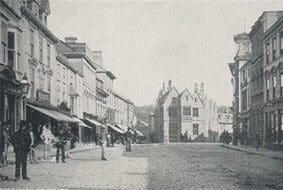
Truro – significant people and events
Truro’s history has been shaped by trade, religion, and regional identity. Although Cornwall has ancient origins, Truro developed most strongly during the medieval period as a market town and river…
Read More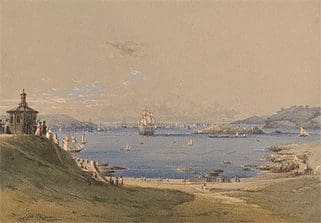
Plymouth – significant people and events
Plymouth is a historic port city in Devon with a strong connection to exploration, naval power, and migration. Its natural harbour made it strategically important from medieval times, but Plymouth…
Read More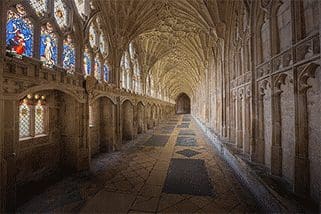
Gloucester – significant people and events
Gloucester is one of England’s oldest cities, with a history shaped by Roman settlement, religious importance, and strategic location. Founded by the Romans as Glevum in the first century AD,…
Read More
How do I know I am teaching history in the right way? A few pointers for non-specialists
When your colleagues, who have to master 11 subjects after all , feel that they need a few pointers to help them transform the planning into really good history learning,…
Read More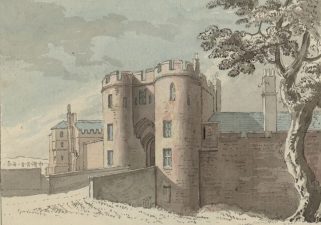
Chester – significant people and events
Chester is one of England’s best-preserved historic cities, with a past that stretches back almost 2,000 years so makes a wonderful local study with the advantage of linking to any…
Read More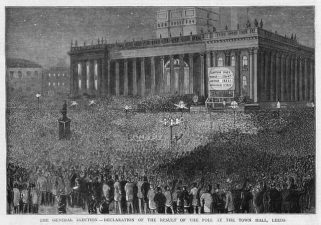
Leeds – significant people and events
Leeds’ history has been shaped by trade, industry, and urban growth so makes a brilliant study linked to the Victorian era.. Originally a small Anglo-Saxon settlement, Leeds developed during the…
Read More
New history curriculum for 2028
As you know there was a curriculum and assessment review in November and the government accepted its recommendations relating to history-which I’ve already covered elsewhere. The New revised National Curriculum…
Read More2026 – important anniversaries
Explore significant historical anniversaries in 2026, from 100 years since John Logie Baird’s television demonstration to 150 years since the first telephone call. This selected calendar helps teachers connect lessons,…
Read More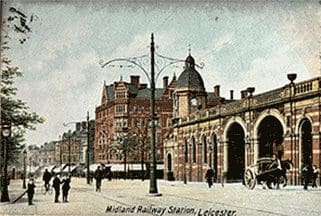
Leicester – significant people and events (Case study)
Above all, studying Leicester provides brilliant opportunities to look at diversity. Ethnic groups make up the majority of the population in Leicester so it makes perfect sense to focus on…
Read More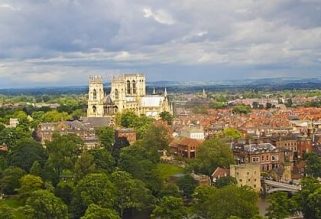
York – significant people and events
York is one of the oldest and most historically important cities in the United Kingdom. Its history stretches back nearly 2,000 years, beginning as a Roman fortress known as Eboracum….
Read More
Any changes for your history teaching in 2026? I’ve got one
As you will know from the headlines of the government’s recent curriculum review among the changes being recommended concerns local history. The history curriculum is seen as both mirroring modern…
Read MoreTop 10 activities for local history
Whilst the activities you choose to use in your local history study will very much depend on the nature of the enquiries you are pursuing with your pupils, I still…
Read More
Teaching Local History at Key Stage 2
So, where do we start if we haven’t a clue about Local History? Unlike all other areas of study Local History has no real prescribed content. If you live in…
Read More
8 tough choices for KS1 history subject leaders. Reinforcement or needless repetition?
Plotting your choice, and sequence, of topics at KS1 is much more difficult than many people imagine. And you can’t blame over-prescriptive content. The issue relating to what to choose…
Read More
Exeter – significant people and events
Exeter is one of the oldest cities in England, with a history shaped by Roman rule, religion, trade, and regional power. Founded by the Romans as Isca Dumnoniorum around AD…
Read MoreHow well do your pupils understand the concept of historical interpretations? A quick diagnostic quiz
Teaching about interpretations in history is one of the hardest challenges KS2 teachers will face. When pupils are searching for one memorable narrative, they are often confused by the idea…
Read More
Sunderland – significant people and events
Sunderland is a city on the north-east coast of England whose history has been shaped by the sea, industry, and innovation. From early medieval times, settlements grew along the River…
Read More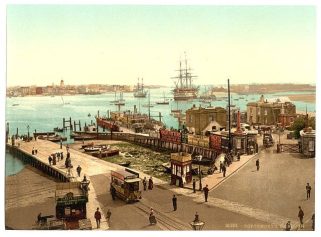
Portsmouth – significant people and events
Portsmouth is a historic port city on the south coast of England whose identity has long been shaped by the sea and the Royal Navy. Its natural harbour made it…
Read More
How to improve your pupils’ writing in history at KS2
‘Low floor-high ceiling’: From short jogs to full marathon Without wanting to do anything that runs counter to your school’s writing policy, I thought I would share with you the…
Read MoreWritten by Neil Thompson

All content on Keystage history is written and quality assured by Neil Thompson, a former history teacher, county history adviser and Ofsted inspector with more than 30 years’ experience in history education.