
Key stage 3 Smart Tasks
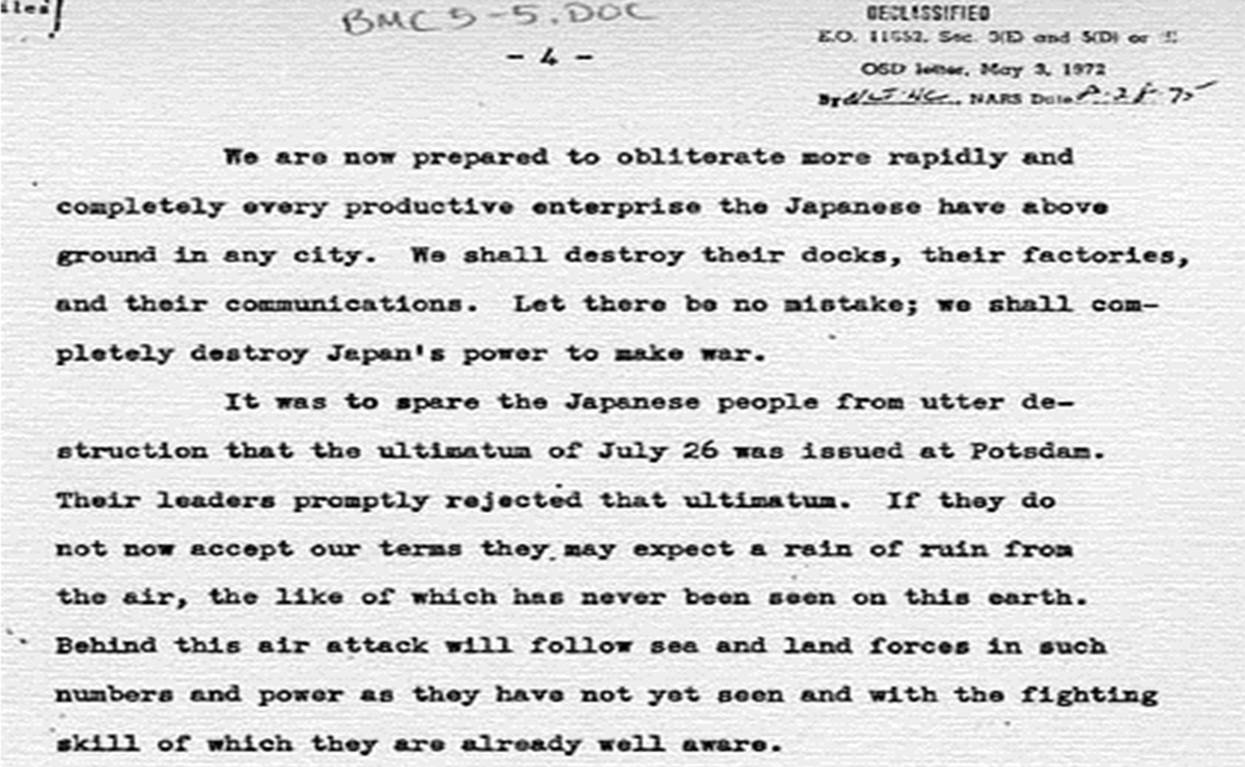
Why did President Truman drop the atomic bombs in August 1945? A study in interpretations SMART TASK KS3
This is a well-covered topic and most of you will already have your own favoured approach. For that reason I am not offering just one lesson but instead a series…
Read More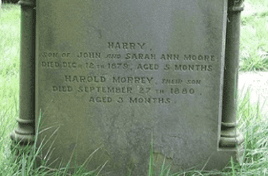
Smart Task: Infant Mortality – Key Stage 3
Puzzle corner: SMART thinking skills task on why so many infants continued to die before their first birthday at a time when the death rate was falling rapidly. This short…
Read More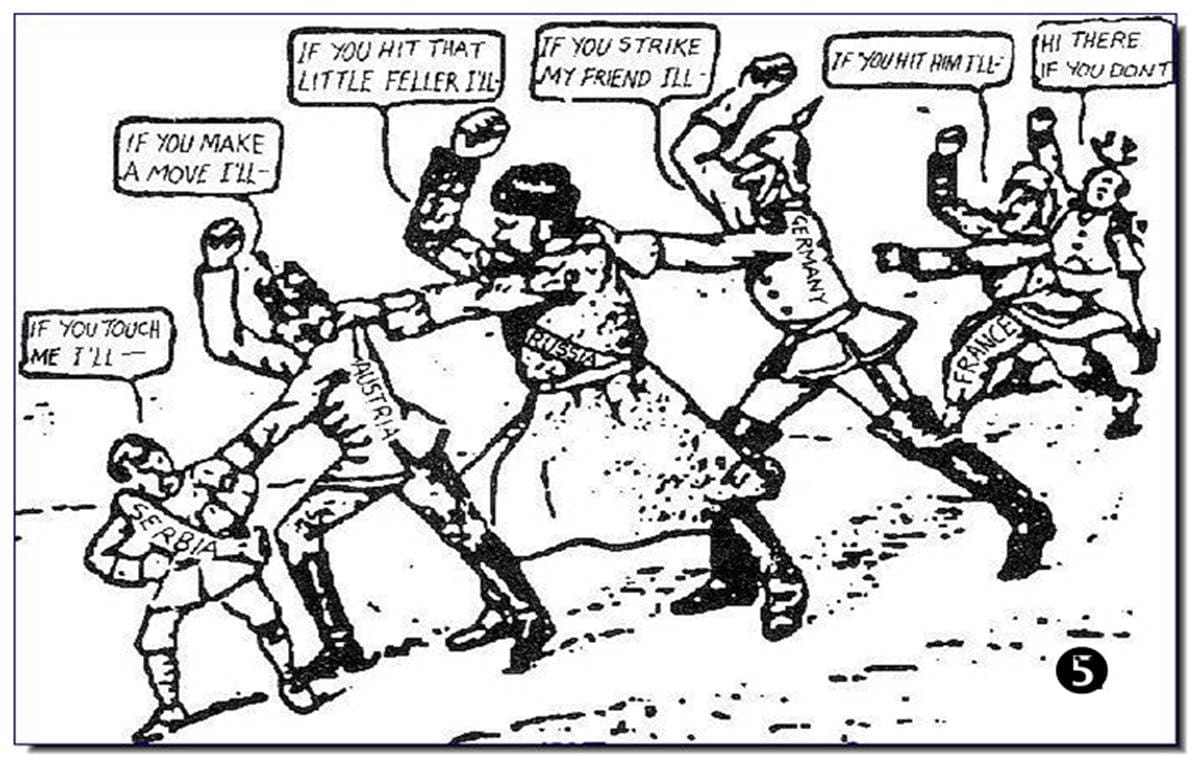
How well do these cartoons cover the causes of World War One?
In pairs, Y9/GCSE students visit 9 different cartoons posted around the wall. They have to work out: Which cause is being ‘covered’ in each cartoon – sometimes two. Which causes…
Read More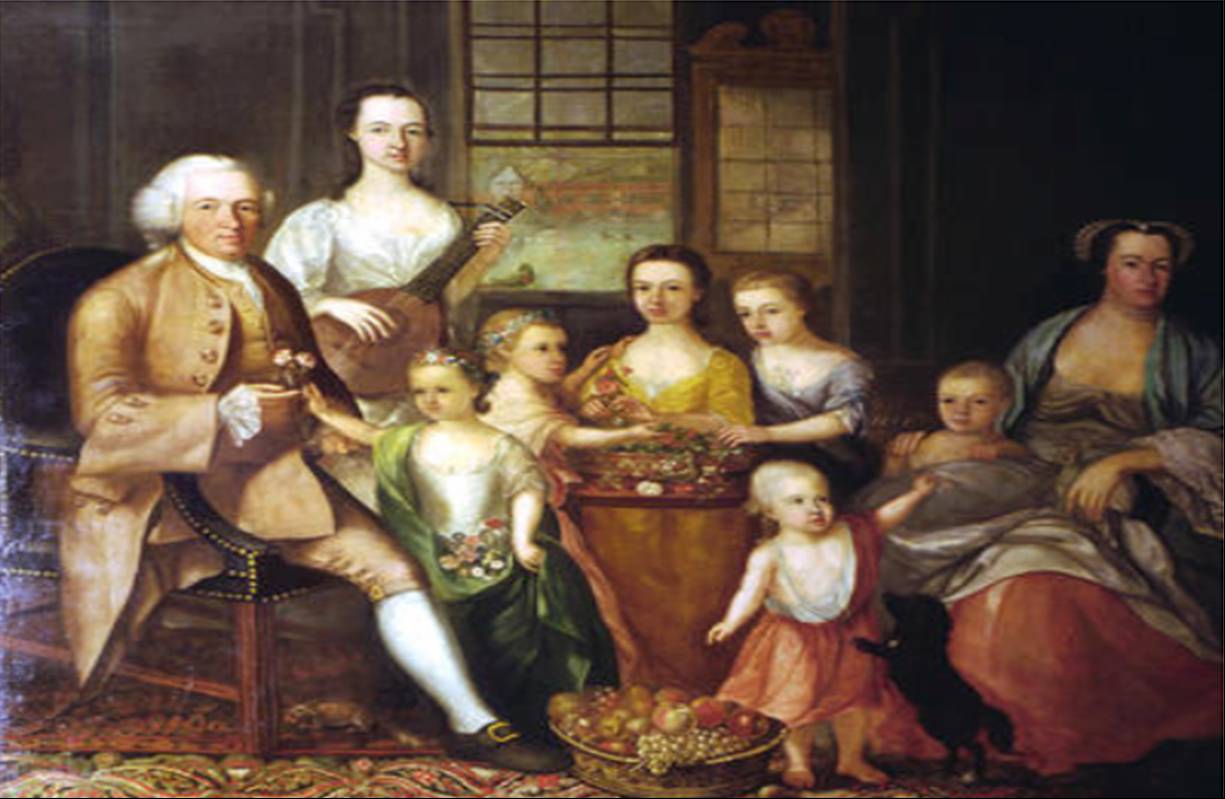
Puzzle corner 3: the strange case of the missing slave
Pupils will find that this example of a black slave, painted out of an eighteenth century painting of a tobacco lord’s family, makes an intriguing starter to any lesson on…
Read More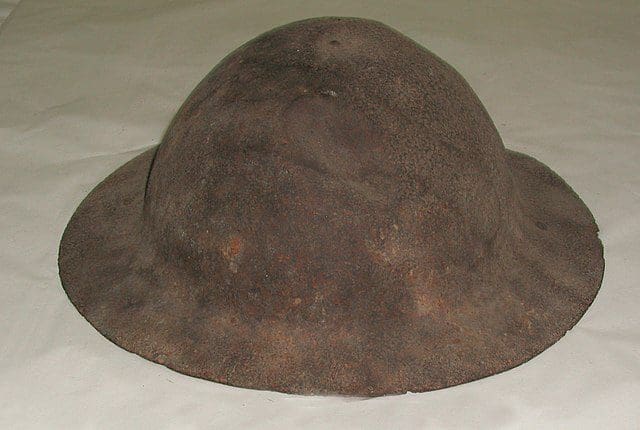
Puzzle corner: The strange case of the steel helmet
A short intriguing starter activity for pupils presents them with a puzzle to solve. In the First World War, why did head injuries increase when the metal helmet replaced the…
Read More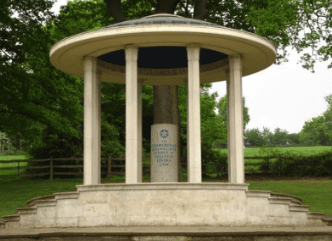
How significant was Magna Carta? SMART TASK KS3
Pupils have been commissioned to produce two brief podcasts for the British Library website aimed at a teenage audience. The first podcast is to last 100 seconds and must explain…
Read More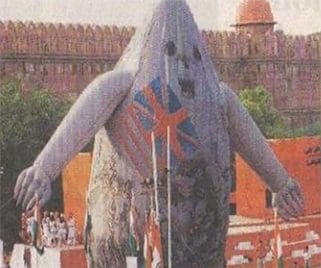
The Empire strikes back! SMART TASK KS3
Having previously investigated the criticism of empire, students now set about defending it. After studying a contemporary Indian view of Empire, which they critique in terms of usefulness, students explore…
Read More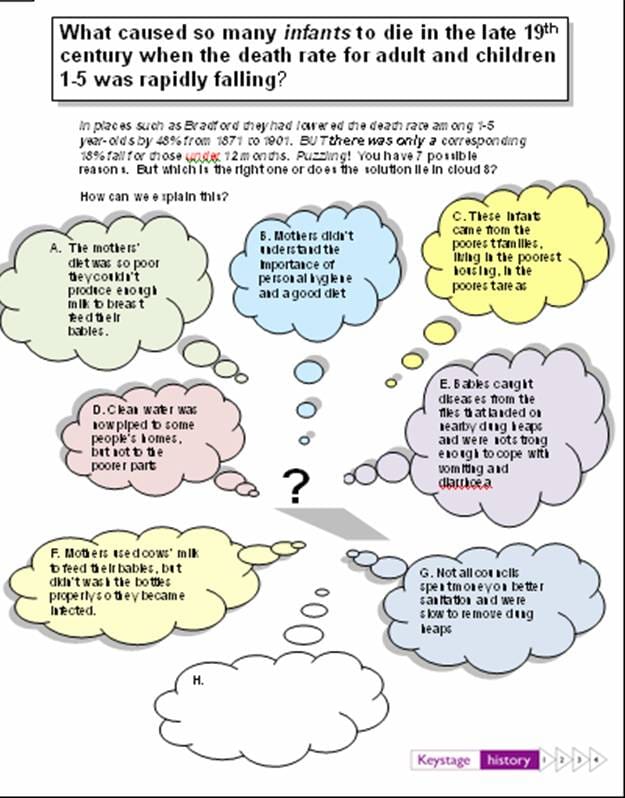
Smart Task Puzzle Corner – Why did so many infants die when the death rate was falling?
Puzzle corner: SMART thinking skills task on why so many infants continued to die before their first birthday at a time when the death rate was falling rapidly. This short…
Read More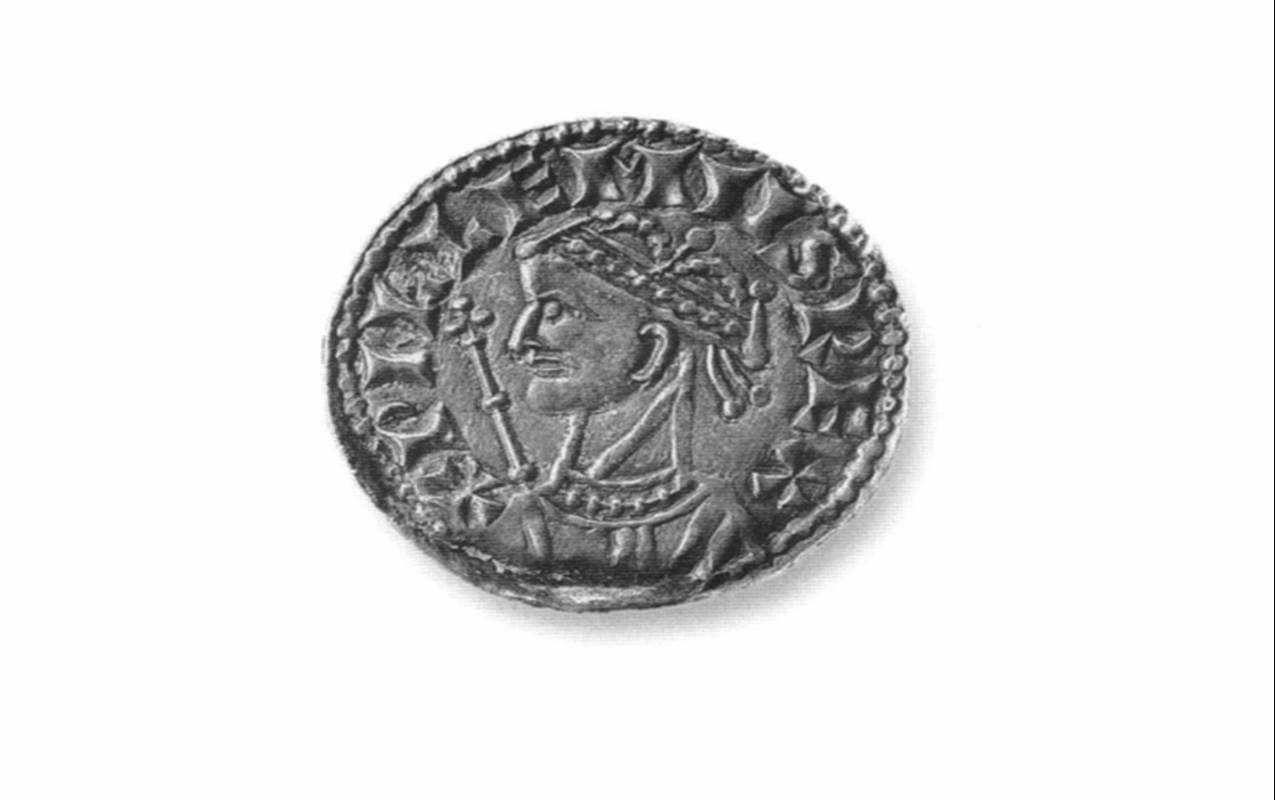
Smart Tasks – Minted: Telling the story of changing British rulers by exploring 10 significant coins
If you are looking for an interesting way of offering pupils overviews or of looking at the concept of significance, then you might find the accompanying PowerPoint helpful. The theme…
Read More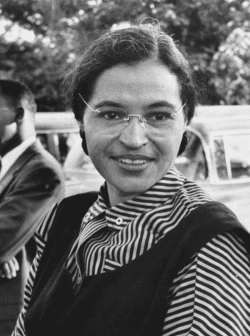
Rosa Parks – the true story
This open-ended enquiry explores one of the most abiding stories of American Civil Rights. Students are invited to advise a film director on what actually happened in Montgomery in December…
Read More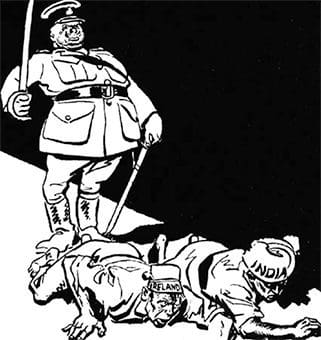
SMART TASK – How did a small country on the edge of North West Europe manage to rule a quarter of the world’s land surface and 400 million people?
This lesson asks an important question that the textbooks rarely cover and comes after students have looked at events in Africa and India in depth. Pupils are presented with an…
Read More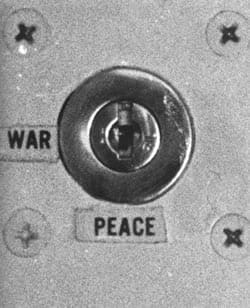
Smart Task: How close to World War Three did the world come in the 65 years after World War Two?
Helping pupils to develop overviews of different timescales is central to the Key Stage 3 curriculum. When so few carry on post-14 to study the 20th century (probably only 1…
Read More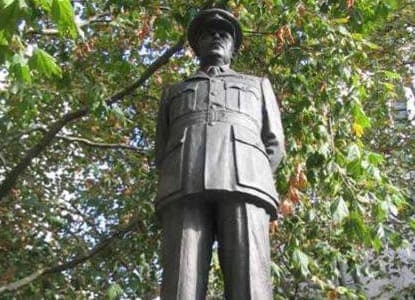
Smart Task: Was the bombing of Dresden justified?
Should the statue to Bomber Harris be removed? It is now 20 years since the statue to Bomber Harris was erected in Trafalgar Square. Pupils are asked to consider whether…
Read More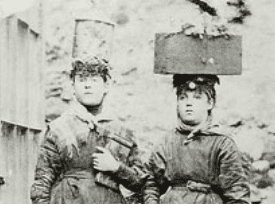
Puzzle Corner 2: Analysing Victorian photographs: the puzzle of the Tredegar patch girls.
Beguilingly simple, but actually quite thought-provoking, this short smart task teaches pupils not to take things at face value – a key skill if they are to progress in history. …
Read MoreWritten by Neil Thompson

All content on Keystage history is written and quality assured by Neil Thompson, a former history teacher, county history adviser and Ofsted inspector with more than 30 years’ experience in history education.