
Curriculum Planning at key stage 2
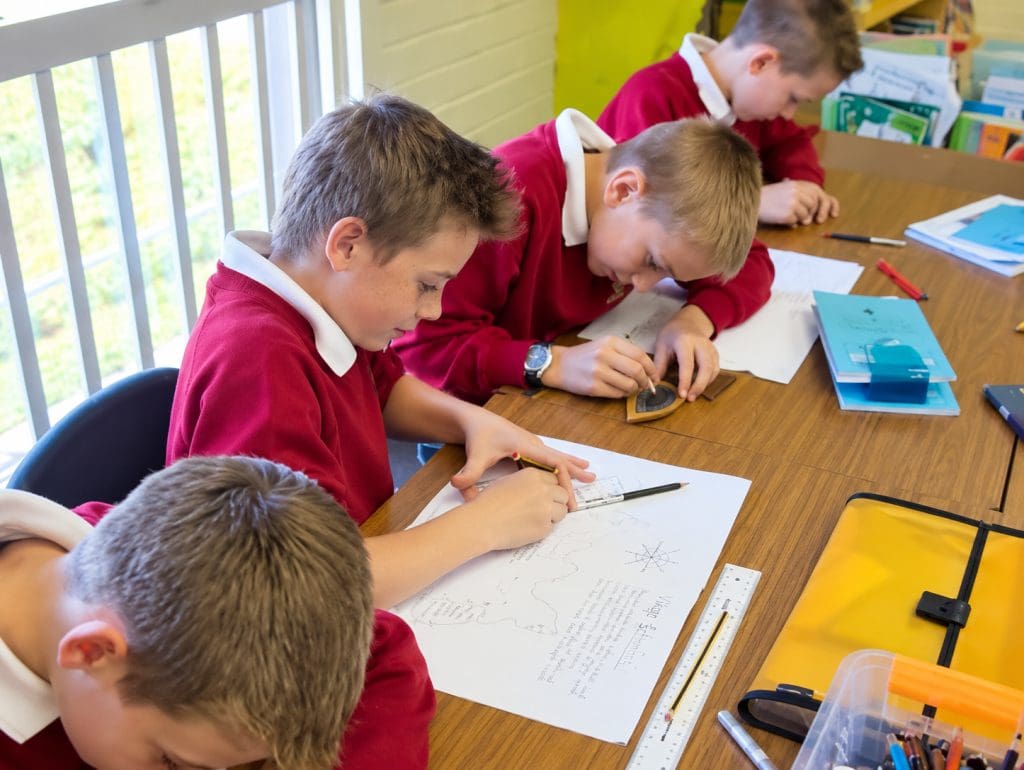 If the history curriculum is not well planned then four relatively wasted years (the longest key stage) will be hard to recover. For you as subject leader, the main challenge is to ensure that pupils are taught in such a way that the important skills and conceptual understandings are progressively developed within a set of motivating contexts.
You will need to go beyond allocating units of work to specific year groups, not least because you need to ensure that pupils are developing a coherent chronological framework.
What are your curriculum priorities?
Above all you will want to create a curriculum that serves the needs of the pupils and staff at your school. You should not be trying to second-guess what an ideal curriculum should be like, but rather to create your own, using others’ ideas certainly. This curriculum needs a clear rationale. So the second part of this section deals with that directly.
You will also need to influence medium-term as well as long-term planning in order to help pupils see history as enquiry – a set of questions to be answered using evidence. Pupils also need to see history as a matter of interpretation. If one teacher in,say Y4, departs from the main messages that you are trying to get over in history sessions, then it will be much more difficult for teachers in Y5 and 6 to recover the ground. This happens more often than you would like to think. Many experienced teachers have often taught history in the same way as they experienced it. Young teachers, fresh from college, now receive far less training in primary history than at any time in the past 20 years. This places a major responsibility on your shoulders to get the curriculum right in the first place and to devise ways of making sure that all year teams adhere closely to what you have planned. I find that the use of key questions really helps here if you phrase them in such a way as to make it obvious that a form of conceptual understanding or historical process is being developed.
Devising key questions is crucially important. Try to ask the same types of question throughout the key stage. For example “What were factory conditions really like in Victorian times?” immediately suggests that there is a difference of opinion that needs resolution. One way to do this would be through role play in which mill children and factory owners gave different versions of what it was like inside the cotton mills. Pupils quickly see the reasons for the differences as vested interest contrasts with exaggeration (he would say that wouldn’t he !).
If we can pose a series of key questions in the same style in each topic, which give a balance of the conceptual understandings, then what emerges is a much more coherent experience for the pupils. They have reference points from past history-led topics. Remember when you looked at different interpretations of Boudicca with Mrs James, well in this topic we are looking at another episode which has been interpreted very differently and we’re going to work out why we have so many different versions.

Leaving Y6 with a Big Picture of history in mind
BookmarkI often wonder what sort of lasting experience of history pupils leaving school in Y6 take with them. Will it…
Read More
4 key things you need to know about the likely shape of the new history curriculum for first teaching in 2028
Bookmark1.There seems to be a commitment from the DfE to ensure that the revised National Curriculum is not significantly different…
Read More
8 tough choices for KS1 history subject leaders. Reinforcement or needless repetition?
BookmarkPlotting your choice, and sequence, of topics at KS1 is much more difficult than many people imagine. And you can’t…
Read More
How to improve your pupils’ writing in history at KS2
Bookmark‘Low floor-high ceiling’: From short jogs to full marathon Without wanting to do anything that runs counter to your school’s…
Read MoreSeeing the BIG PICTURE of the past
Bookmark“Big picture” history teaching emphasizes the connecting of specific historical events and links topics to broader themes and contexts. It…
Read More
Thinking skills in history at Key Stage 2; encouraging metacognition
BookmarkTo encourage metacognition – some initial ideas of activities that promote thinking skills. You will find examples of these in…
Read More
Top tips for planning your KS2 history studies – The Anglo-Saxons
BookmarkPlanning the Anglo Saxons topic effectively ensures meaningful, engaging learning that builds pupils’ knowledge and thinking skills. These top tips…
Read More
Top tips for planning your KS2 history studies – Ancient Greece
BookmarkA study of Greek life and achievements and their influence on the western world With its emphasis squarely on the…
Read More
Top tips for planning your KS2 history studies – Local history
Bookmark Are you going to do more than one study, one period study in depth and one overview, one in…
Read More
Top tips for planning your KS2 history studies – Thematic post-1066
BookmarkA study of an aspect or theme in British history that extends pupils’ chronological knowledge beyond 1066. Try to make…
Read More
Top tips for planning your KS2 history studies – The Vikings in Britain
BookmarkViking and Anglo-Saxon struggle for the Kingdom of England to the time of Edward the Confessor. There are two key…
Read More
Top tips for planning your KS2 history studies – Benin / Islam / Maya
Bookmark Focus on why we are teaching this topic at KS2, often for the first time. Why was this civilization…
Read More
Top tips for planning your KS2 history studies – Roman Empire and its impact on Britain
Bookmark Whilst it might look as if this is a bigger unit than simply the existing Roman Britain unit, in…
Read More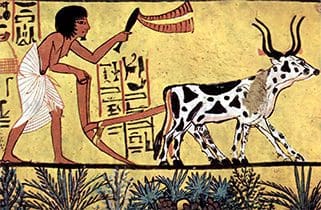
Top tips for planning your KS2 history studies – Ancient civilisations
Bookmark For most of you, you will continue teaching Ancient Egypt as before, for 80% of this topic. You MUST…
Read More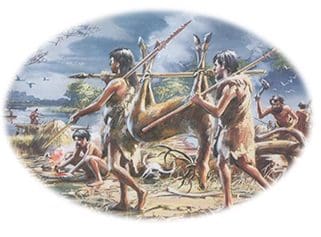
Top tips for planning your KS2 history studies – Stone Age to Iron Age
BookmarkThe British Isles has been populated by humans for 750.000 years but only became an island when the ice sheets…
Read More10 questions to ask yourself about the KS2 history curriculum
BookmarkQuestion 1: Have you exploited the reduced amount of prescription in the new curriculum, or are you still teaching some…
Read MoreSequencing your KS2 history topics: are you doing it right?
BookmarkIs there a right order for sequencing KS2 topics? Let’s start with a reality check. No research exists to show…
Read More
History as problem solving
BookmarkPupils solve problems when they study mathematics. They solve problems in science lessons. So why not in history? Perhaps it’s…
Read More
Golden threads or Gordian knot? How to weave first order historical concepts into the fabric of your history curriculum
BookmarkTalking about ‘first-order’ historical concepts, by which I mean ideas such as empire and invasion, civilization, power and authority has…
Read More
Building vocabulary to help pupils’ historical understanding. My 100 top KS2 words
BookmarkWord lists are all very well but do we carefully plan when words are acquired and then applied in a…
Read More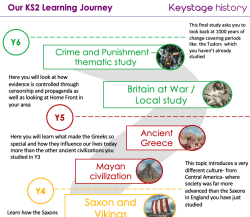
KS2 – Sharing the history learning journey with your pupils
BookmarkAn important part of planning your KS2 curriculum is being able to share the rationale with pupils and parents. So…
Read More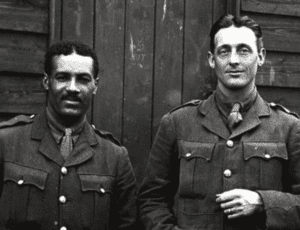
8 ways of improving the BAME dimension of your primary history curriculum
BookmarkBound as we all are,and not just as teachers, by the Equality Act, (not to mention our public sector duty),…
Read More
Scales of planning in primary history
BookmarkMaking sure you don’t leave out key things and don’t waste your time duplicating Planning can seem a real chore,…
Read More7 searching questions for you to ask about your KS2 history curriculum
BookmarkEvery now and then it is worth just ensuring that your KS2 history curriculum is as robust as it should…
Read More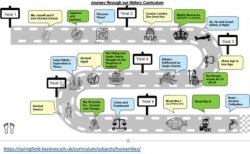
Plotting your pupils journey in history learning across the school
BookmarkJust came across this visual depiction of the history curriculum at Springfield School in Hackney and thought I’d bring it…
Read More
What is history? – Key stage 2
BookmarkIn the classrooms of some non-specialist Key Stage 2 teachers, history is still presented as the story of the past….
Read More
The top 10 things you need to know about chronology at KS2, but were afraid to ask.
BookmarkThe top 10 things you need to know about chronology at KS2, but were afraid to ask. 1. There is…
Read More10 things history leaders need to know about the new OFSTED 2019 Framework
Bookmark10 things you need to know about leading history 1. Show you are teaching history You will have to show…
Read More
Medium term planning for history at KS2
BookmarkKS2 History Planning and Plans All compulsory National Curriculum topics now have full medium-term plans rated as outstanding by OFSTED. …
Read More
Long-term planning at Key Stage 2
Bookmark. How do I create a carefully chosen, well-sequenced long-term HISTORY plan ? There are a number of important decisions…
Read MoreShort-term planning in history at KS2
BookmarkAs a rule, this site does not recommend the publication of short-term planning, preferring instead to focus on very detailed…
Read MoreHistory and literacy at Key Stage 2
BookmarkAlthough OFSTED still points out that opportunities for exploiting the link between history and literacy are still being overlooked, the…
Read MoreThinking words in primary history: my top 10
BookmarkThose of you who have used a lot of the lessons on the site will know only too well that…
Read More
Creativity in History at Key Stages 1 and 2
BookmarkThis best place to start with developing your thinking on creativity in history is to think in terms of: –…
Read More
What do we mean by thinking skills in history at Key Stage 2?
BookmarkWhy we need thinking skills Historical narrative, explanation, role-play, TV programmes etc can give children the information, or they can…
Read More
Numeracy and history at Key Stage 2
BookmarkHistory is full of opportunities to enhance pupils’ grasp of numeracy. We don’t have to contrive examples. We do, however,…
Read More
Opportunities for Citizenship Education in Key Stage 2 History
BookmarkThis section covers two main aspects: the ways of thinking that support citizenship education and the knowledge of past situations…
Read More
Designing your curriculum for history at Key Stage 2
BookmarkWith the current National Curriculum for history, schools have had to make some major changes to the structure as well…
Read MoreRationale for how you teach your KS2 curriculum history
BookmarkWhen planning your history, it is really important that you spend some time establishing a strong rationale for your choice…
Read MoreWritten by Neil Thompson
All content on Keystage history is written and quality assured by Neil Thompson, a former history teacher, county history adviser and Ofsted inspector with more than 30 years’ experience in history education.