teaching and learnign ks2All parts of this site have been written and quality assured by Neil Thompson, who has vast experience of history teaching from years in the classroom, leading a department, and being part of SLT.

For even longer he was an OFSTED history inspector, the county history adviser to Hampshire primary and secondary schools and  consultant and author for the BBC, DFE, exam boards, publishers, and QCA. Neil continues to support teachers by running national courses and works with teachers in schools. He also runs school-based INSET and acts as ‘virtual adviser’ offering crucial support to new subject leaders.

Free KS1 ResourcesHistorical focus
The Great Fire – KQ1 – How can we work out why the Great Fire started?Great Fire of London – causes and historical enquiry
Going to the seaside – KQ2 – What did people do at the seaside 100 years ago?Seaside holidays – change and continuity
Smart Task: Florence Nightingale and Mary Seacole – Who said it? Who am I?Significant individuals – comparison and evidence
Moon Landing – KQ1 – Has man ever been to the moon and how can we know for sure?Moon Landing – evidence and historical enquiry
Toys – KQ3 – How can we tell these toys are old?Toys past and present – using evidence
The Gunpowder Plot: Prove it using a gallery of imagesGunpowder Plot – visual evidence and enquiry
Help Tom to fight the Great Fire – Smart TaskGreat Fire of London – decision-making and enquiry
Expert Advice: Key Stage 1 – Mary AnningMary Anning – teaching and curriculum guidance
Expert Advice: Planning for a cross-curricular topic on Going to the SeasideSeaside – cross-curricular planning
Florence Nightingale lesson and sample plannerFlorence Nightingale – lesson and medium-term planning
Assessment for learning in Primary historyAssessment for learning and progression
Long term planning for history at Key Stage 1KS1 curriculum and long-term planning
Thinking skills in history at Key Stage 1Thinking skills and historical learning
Smart Task: KS1 – Assessment in historySeaside topic – assessment and historical understanding
Free KS2 ResourcesHistorical focus
KS2 Example Planner – Vikings Medium Term PlannerVikings – medium-term curriculum planning
Teaching Life in Tudor Times for KS2Tudor Britain – teaching and enquiry
WW2 – KQ2c – Extending the BBC website on Eric the evacueeWorld War Two – evacuation and historical evidence
Anglo-Saxons – KQ2 – The mystery of the empty Saxon graveAnglo-Saxons – archaeology and historical enquiry
Life in Tudor Times – Linking history with numeracy: a Tudor enquiryTudor Britain – buildings, evidence and numeracy
Ancient Egypt – The opening of Tutankhamun’s tombAncient Egypt – Tutankhamun and archaeological discovery
Roman Britain – Picture this: creating a Roman townRoman Britain – towns, buildings and everyday life
Vikings – KQ1 – What image do we have of the Vikings?Vikings – interpretations and historical evidence
How will your school commemorate the end of World War One?World War One – remembrance and commemoration
Imaginative learning activities at Key Stage 2KS2 history – teaching and learning strategies
If life was so hard in Victorian cities, why did Wilf move his family there?Victorian Britain – migration and urbanisation
Primary History: Teaching Victorian Britain Key Stage 2Victorian Britain – teaching and curriculum guidance
Using a Victorian census to discover what life was like 100 years agoVictorian Britain – census evidence and enquiry
Victorian CitiesVictorian Britain – urban life and industrialisation
History and literacy – Making sense of a letter from Henry VIII to Anne BoleynTudors – primary sources and historical literacy
Assessment of interpretations of BoudiccaRoman Britain – interpretations and assessment
Free KS3 ResourcesHistorical focus
Teaching KS3 History: Black Peoples of the Americas and slaverySlavery and Black history – teaching and enquiry
Free at Last? How far had the Civil Rights Movement come by 1963?Civil Rights Movement – change and historical judgement
How well do these cartoons cover the causes of World War One?World War One – causation and cartoon evidence
Court of King Cholera: Where am I in the picture?Industrial Britain – public health and source analysis
Puzzle Corner 3: The strange case of the missing slaveSlavery – visual evidence and interpretation
Puzzle Corner: The strange case of the steel helmetWorld War One – evidence and historical deduction
Expert Advice: Key Stage 3 and 4 – Using the 4 BsTeaching strategy – improving historical learning
Fit for purpose teaching strategies at Key Stage 3KS3 history – personalised learning and teaching strategies
Battalion 101: Why did they shoot? A history mysteryHolocaust – causation and historical enquiry
What can we learn about the Empire from a Christmas pudding?British Empire – evidence and interpretation
What made runaway slaves successful?Slavery – causation and historical enquiry
What can we learn about medieval churches from the outside and inside?Medieval Britain – religion and material evidence
Puzzle Corner 2: Analysing Victorian photographs – the Tredegar patch girlsVictorian Britain – photographic evidence
Free KS4 ResourcesHistorical focus
Smart Task: Opening up of the Western frontier by the railroads – a history mysteryAmerican West – railroads, causation and enquiry
Smart Task: Medieval medicine – What can we work out from the picture?Medicine through time – medieval medicine and evidence
Smart Task: GCSE SHP Medicine – 18th century surgeryMedicine through time – surgery and change
Smart Task: How popular was the Vietnam War? What can we learn from just two photographs?Vietnam War – interpretations and photographic evidence
Hoover’s rubbish: Roosevelt moves inUSA – Depression, Hoover and Roosevelt
Thoroughly Modern Millie: How do we know this song is about Flappers?USA in the 1920s – Flappers and social change
GCSE SHP Crime and Punishment: The Metropolitan Police Force in 1830Crime and Punishment – policing and cartoon evidence
How well do these cartoons cover the causes of World War One?World War One – causation and cartoon analysis
Squeezing the sources dry: how to make the most of source work in GCSE historyGCSE source skills and historical evidence
Expert Advice: Key Stage 3 and 4 – Using the 4 BsTeaching strategy and historical thinking
Attitudes of the US government to Native Americans: milking an image for meaningAmerican West – Native Americans and visual evidence
Smart Task: What do election posters tell us about Who Voted Nazi?Nazi Germany – elections, propaganda and source analysis
Smart Task: A Suffragette procession – comparing the evidenceWomen’s suffrage – comparison of historical evidence
Smart Task: Deciphering a Cold War cartoon using the slow reveal techniqueCold War – cartoon analysis and source skills
Vesalius’ claim to fame – using the B.A.D. formula to prepare for a BBC interviewMedicine through time – Vesalius and Renaissance medicine
Prehistoric Medicine: Getting your GCSE course off to a great startMedicine through time – prehistoric beliefs and treatments
Why was this World War One painting censored?World War One – censorship and interpretations
How have cartoonists portrayed the Liberals’ Old Age Pensions reforms?Liberal reforms – interpretations and cartoon evidence
GCSE Modern World History: Using football to teach inter-war relations 1919–39Inter-war relations – international relations through football
Marking the anniversary of the Wall Street CrashUSA – Wall Street Crash and the Great Depression
planning
Long term planning for history at Key Stage 1

Superficially, Key Stage 1 seems the least complex history curriculum to plan because the burden of content to be covered seems manageable. Scratch beneath the short section that describes the…

Read More
class activity
Thinking skills in history at Key Stage 1

There is nothing particularly radical about using a thinking skills approach to history at Key Stage 1, but there are certainly two main pitfalls that snare the unwary. The first…

Read More
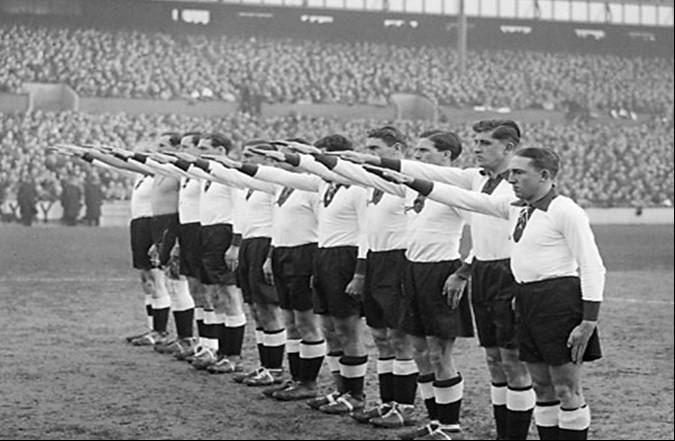
German football team 1935
GCSE Modern World history: Using history of football to interest boys in Inter-war relations 1919-39

If you have ever found it difficult to motivate boys looking at the Inter-war years from 1919-39, why not try using football to tell the story. This quick activity, supported…

Read More
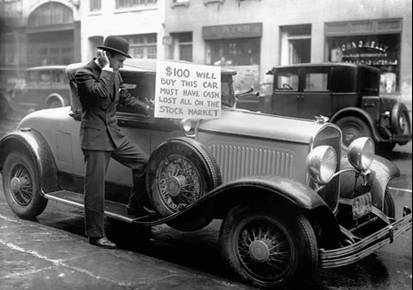
wall street crash
Marking the anniversary of the Wall Street Crash

To mark the 80th anniversary of the Wall St. Crash in 1929, the Guardian produced a simple guide to the crash told using 9 photographs. Could students do the same…

Read More
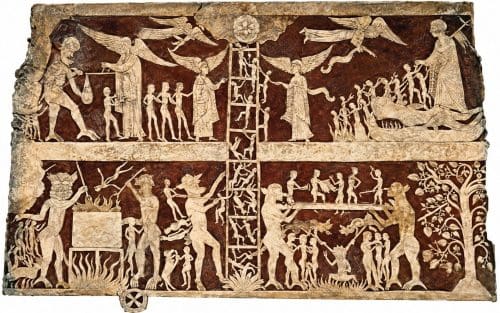
doom painting
What can we learn about medieval churches from the outside and inside?

This innovative lesson uses the gallery strategy in which pupils compare a range of fascinating colour images to discover what Doom paintings have in common. After annotating and captioning different…

Read More
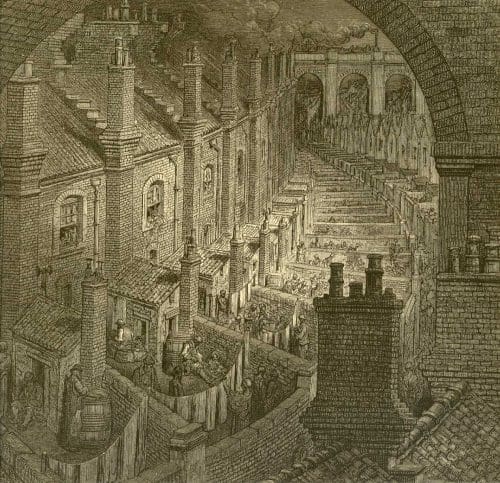
victorian britain smoke filled terrace
Primary History: Teaching Victorian Britain Key Stage 2

Astonishingly, at a stroke, Gove removed the Victorians from the KS2 history curriculum where it had reigned supreme for decades. At least he thinks he has. Most primary teachers will…

Read More
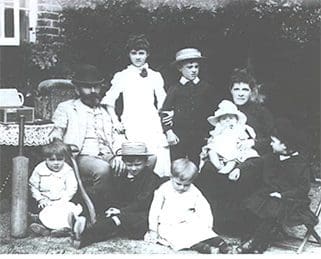
victorian photo
Using a Victorian census to discover what life was like 100 years ago

There are 4 separate ways of approaching this topic, each becoming increasingly more ambitious. Stage 1 is featured below. Stages 2-4 are to follow, though draft material is available to…

Read More
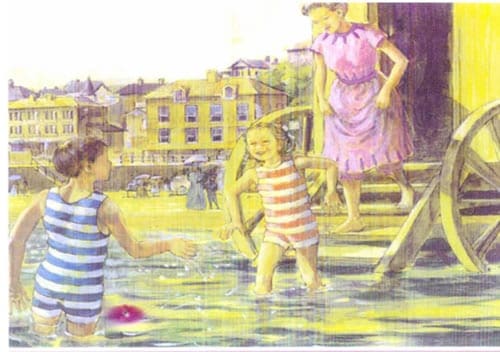
Seaside Smart Task
Smart Task: KS1 – Assessment in history

Key Stage 1 assessment in history It is really hard to find quality examples of assessment tasks at Key Stage 1 that actually work in the classroom with children of…

Read More
victorian britain smoke filled terrace
Victorian Cities

If life was so hard for families in the towns why did so many leave the countryside and move to the towns in Victorian times? – a history mystery Starting…

Read More
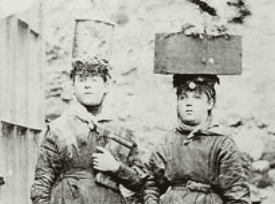
victorian-ladies
Puzzle Corner 2: Analysing Victorian photographs: the puzzle of the Tredegar patch girls.

Beguilingly simple, but actually quite thought-provoking, this short smart task teaches pupils not to take things at face value – a key skill if they are to progress in history. …

Read More
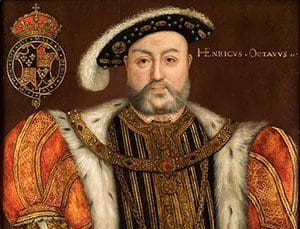
portrait of henry viii
History and literacy – Making sense of a letter from Henry VIII to Anne Boleyn

Pupils are given a copy of a letter from Henry to Anne Boleyn. It appears, at first glance to be impossibly hard to read – so many old-fashioned words, such…

Read More
Boudicca
Assessment of interpretations of Boudicca

Below is an account of an assessment task on Boudicca , with downloadable resources,  just one of many assessed tasks on the site.  You will find at least one for…

Read More