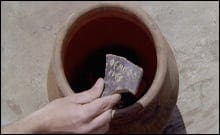
Stoke-on-Trent’s history is closely linked to pottery, industry, and the development of modern manufacturing. The city was formed from six towns—Tunstall, Burslem, Hanley, Stoke, Fenton, and Longton—collectively known as “The Potteries.” From the seventeenth century onward, the area became famous for ceramic production because of its local clay deposits and access to coal for firing kilns.
During the Industrial Revolution, Stoke-on-Trent developed into the centre of Britain’s pottery industry, producing ceramics that were exported around the world. Famous companies such as Wedgwood, Spode, and Royal Doulton helped build the city’s reputation for craftsmanship and innovation. The expansion of canals and later railways helped transport goods and raw materials, allowing the industry to grow rapidly. In the twentieth century, Stoke-on-Trent faced industrial decline as manufacturing changed, but it remains internationally associated with ceramics.
Today, museums, factories, and historic sites preserve the city’s identity as the heart of Britain’s pottery heritage. This