In a recent article for the Telegraph, journalist and writer Jeremy Paxman made the following case for teaching the history of the British Empire:
[It] explains so much about who we are now… Imperial history explains both why Britain has a seat on the UN Security Council and the readiness of British prime ministers to commit British troops to overseas wars. But it goes much further, too. The empire reshaped our education system and redefined how we think of ourselves. It was the trigger for much post-war immigration, and anything that changes the very genetic make-up of the population can hardly be dismissed as superficial (Paxman).
However, Paxman also suggests that empire is unfairly characterised as a bad thing, an idea, it is argued here, that is shared by Michael Gove, and one that raises even more questions regarding the nature of why and how one teaches imperial history. Whatever one’s view on these questions, William Dalrymple (2013) makes the compelling point that, unless British imperial history is taught effectively in our schools, many people who go through the English education system will remain ‘wholly ill-equipped to judge either the good or the bad in what we did to the rest of the world’.
Key Stage 3 Outstanding History Lessons
Smart Tasks
- The Empire Strikes back Having previously investigated the criticism of empire, students now set about defending it. After studying a contemporary Indian view of Empire, students explore a range of possible achievements of the empire, before predicting the 6 top arguments Niall Ferguson uses to defend it.
- End of Empire This task ask pupils to classify a number of different smaller reasons why The Empire declined and fell, under four bigger headings. But they are not told what these headings are. This they must work out for themselves. Includes PowerPoint and reason cards on resource sheet.
- How did a small country on the edge of North West Europe manage to rule a quarter of the world’s land surface and 400 million people? Pupils are presented with a hypothesis which they have to challenge and come up with a better explanation of their own. The final product asks them to create a visual display. Includes PowerPoint and 14 influence cards.
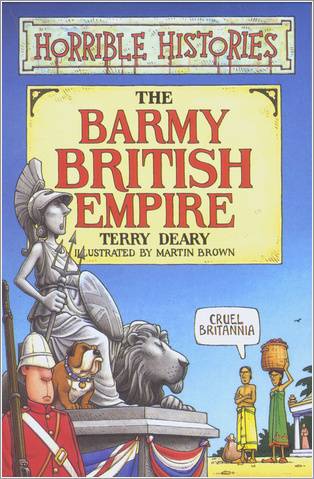
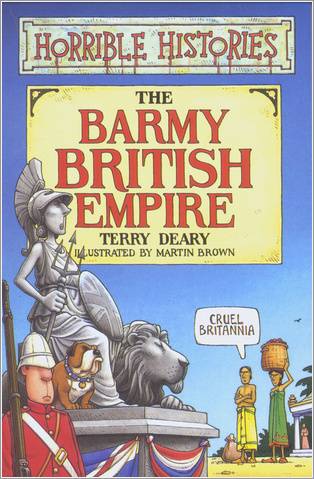
Each of the above lessons features a different learning style. The Christmas pudding lesson starts with a fun kinaesthetic activity finding the source of the ingredients followed by a thoughtful analysis of data. In the second, groups work on different countries’ experiences before pooling their findings to create a whole class living graph. The Empire Strikes back lesson starts with a Terry Deary Horrible History excerpt which pupils have to counter by looking at the positives of empire. The next is a study of causation whereas the last one on India looks at specific episodes such as the Indian Mutiny , the Amritsar Massacre and the role of Indian troops in World War Two.
Teaching Empire; How do they do it in India?
Have you seen the Teachers TV programme on the teaching of Empire in Indian (elite) schools?
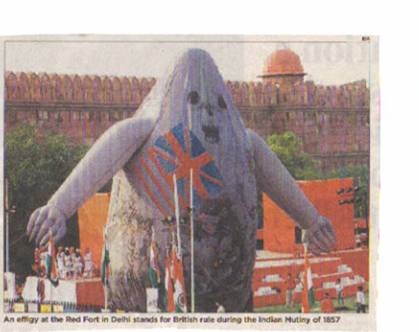
It lasts 30 minutes, but you can get a flavour from the first five minutes. Students explore differing interpretations of the Indian Mutiny and have an interesting debate. Students talk of different British perspectives and challenge the idea of calling the mutiny a Sepoy mutiny or a Peasants’ Revolt or a war of independence. Well worth a brief look. The rest of the programme looks at practice in other private schools as well as discussing the furore that erupted when, three years ago the Indian government introduced a set of textbooks that were thematic!!!
Resources
If you haven’t already used it, have a look at the National Archives Learning Curve material on the Empire It comprises three main sections and has been authored by Ben Walsh, so you know it will be trustworthy.
The first section looks at the Rise of the British Empire. Pupils look at case studies of North America, Africa, India and Australia to work out which of the following motives explained why empires were built there: trade; adventure; politics; religion; ambition and land.
The second section looks at what it was like living in the British Empire and the final one looks at why the Empire came to an end.
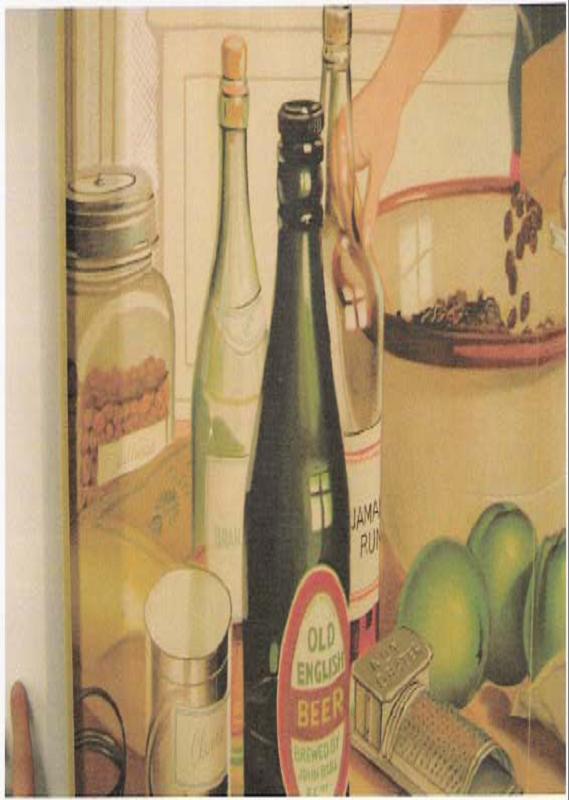
Sample page of ingredients for an Empire Christmas pudding. But where do they come from?
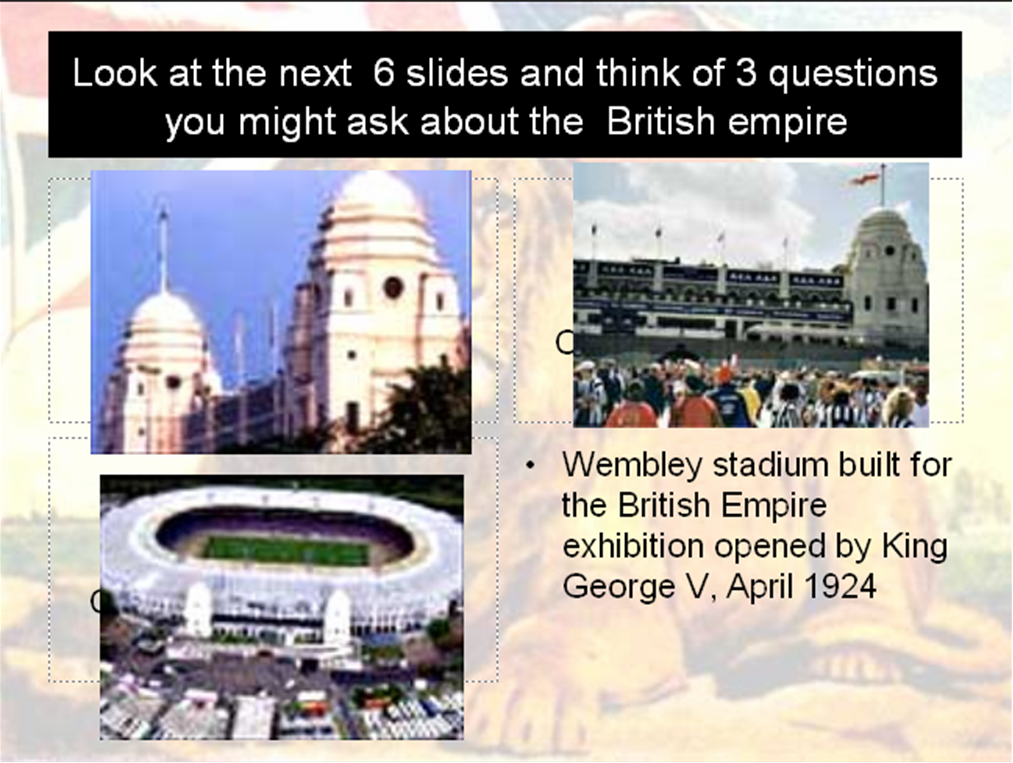
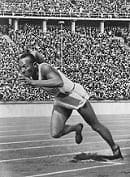
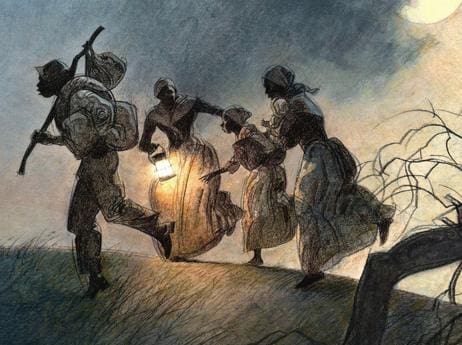
What have these images got to do with Empire?