
Sinking of the Titanic Lessons
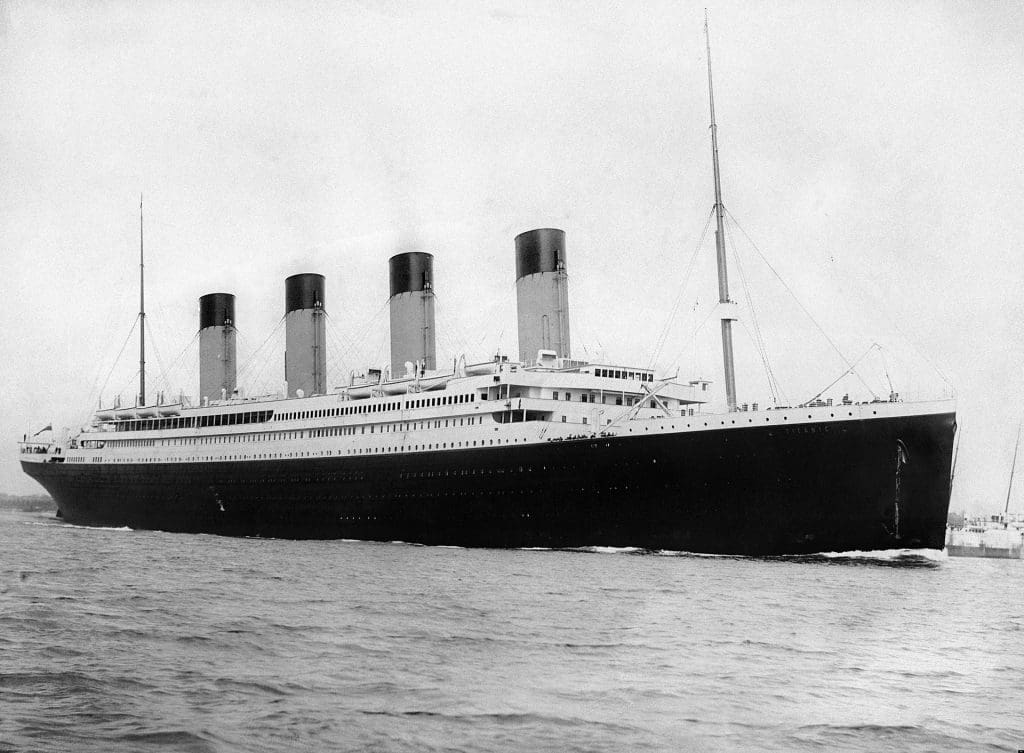 This is a real winner as a topic which fires pupils’ imagination, especially the boys’. It deals with issues to do with causes really well, as you will see from the lesson using the history mystery approach. It also is great for looking at consequences. By focusing on the rescue, pupils can see how it has been shown differently in pictures and on film. This provides an excellent way into interpretations.
Some colleagues might think this is a bit of a sad, indeed tragic, story to use with young children. By focusing on the rescue and the improvements it led to, you can ameliorate any sad feelings pupils might have, but most teachers tell me that it is so removed from the present that pupils abiding reaction is one of strong engagement with the material, and only very rarely tinged with sadness.
You will also find some excellent visual material on the Titanic in Belfast site.
Titanic KS1 Scheme of Work and Knowledge Organiser
| Sinking of The Titanic Key Questions | Historical focus |
|---|---|
| KQ1 – Launching the Titanic enquiry, drawing on pupils’ prior knowledge | Historical enquiry and understanding |
| KQ2 – What was so special about life on the Titanic? | Historical experience and similarity and difference |
| KQ3 – How could the unsinkable Titanic sink? | Historical enquiry and understanding |
| KQ4 – How should we film the sinking of the Titanic? | Historical enquiry and understanding |
| KQ5 – Why weren’t more people saved from the Titanic? | Causation and motivation |
| KQ6 – What are the best ways of stopping disasters such as the sinking of the Titanic ever happening again? | Historical enquiry and understanding |

KS1 Medium term planner: The sinking of the Titanic Y2
This topic provides an exciting addition to the usual famous events taught at KS1. Not only is there a clear, compelling narrative that pupils can relate to, it also offers…
Read More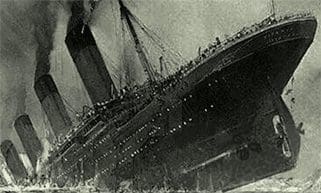
Titanic – KQ1 – Launching the Titanic enquiry, drawing on pupils’ prior knowledge
What do we already know about the Titanic and what can we work out from a picture? This lesson’s activities are designed to release any prior knowledge pupils might have…
Read More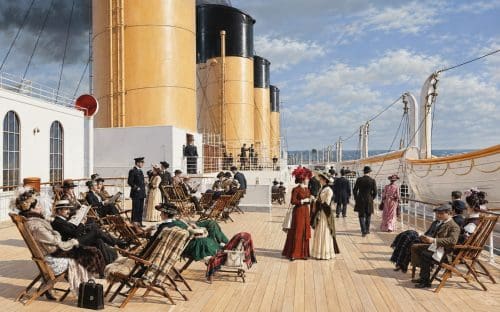
Titanic – KQ2 – What was so special about life on the Titanic?
What was so special about life on board the Titanic? and was it the same for everyone? In this enquiry pupils play Prove it! using a gallery of images to…
Read More
Titanic – KQ3 – How could the unsinkable Titanic sink?
This Y2 lesson takes pupils understanding beyond that of knowing what happened to the Titanic to work out why it sank. The aim is to go beyond simple one cause…
Read More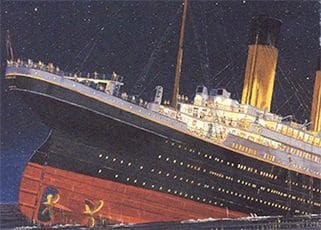
Titanic – KQ4 – How should we film the sinking of the Titanic?
Stephen Spielberg has asked for a historically accurate poster for a new film he is planning on the sinking of the Titanic. He wants school children to design a poster…
Read More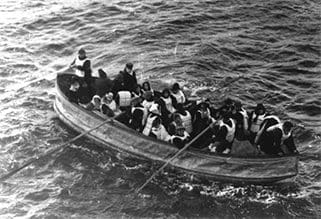
Titanic – KQ5 – Why weren’t more people saved from the Titanic?
In this problem-solving activity, pupils have to speculate, using a stimulus image and then evaluate a range of given reasons based on their plausibility, placing them on a spectrum. To…
Read More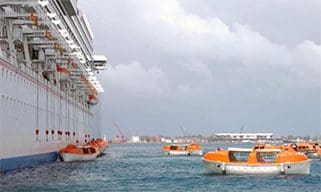
Titanic – KQ6 – What are the best ways of stopping disasters such as the sinking of the Titanic ever happening again?
Pupils are employed as safety advisers to the UK and US governments in the aftermath of the sinking of the Titanic? Their job is to come up with the best,…
Read MoreWritten by Neil Thompson

All content on Keystage history is written and quality assured by Neil Thompson, a former history teacher, county history adviser and Ofsted inspector with more than 30 years’ experience in history education.