
Early Islamic civilization Resources and Lessons KS2
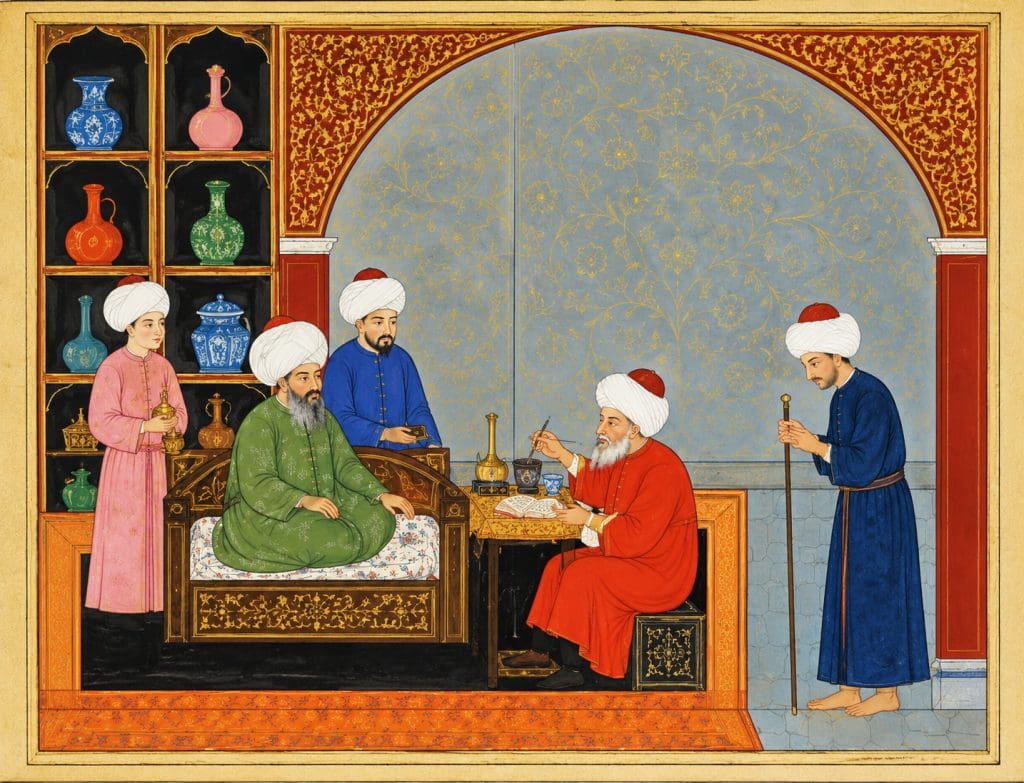
Explore Early Islamic Civilisation at KS2
Discover how early Islamic civilisation spread and why Baghdad and Córdoba became centres of learning, science and culture. Consider its achievements and continuing legacy.
Explore teaching resources
Everything for this history topic in one place
The enquiry sequence
Enquiry-based lessons and resources
6 activities
Top tips for planning your KS2 history studies – Benin / Islam / Maya
Focus on why we are teaching this topic at KS2, often for the first time. Why was this civilization quite so special? Compare with society in Britain at the time,…
Read More
Early Islamic Civilisation – assessment task – Why was life in 10th century Baghdad was so significant
Using two contrasting illustrations to help them, pupils have to explain why life in 10th century Baghdad was so significant. Assessment task Subscribers only: You must be logged in to view…
Read More
Early Islamic civilisation knowledge organiser – KS2
You are studying this topic so that you realise that a thousand years ago Baghdad was the largest city in the whole world. Famous not only for it’s size, the…
Read More
Top 10 things your KS2 pupils need to know – Early Islamic civilization
Top 10 things your KS2 pupils need to know, and remember, about Early Islamic civilization 1. 1000 years of extraordinary activity after AD 700 For approximately 1000 years, after AD…
Read More
Planner for teaching early Islamic civilization at KS2
For many schools this is new topic and one to be taught with particular sensitivity in the 21st century. Try wherever possible to think of the reasons it is on…
Read More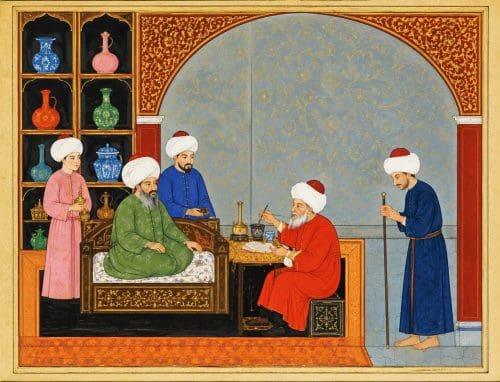
Early Islamic civilization – KQ1 – Why should we study the early Islamic civilizations in school today? SMART TASK
One of the misfortunes of a long history of stereotyping and conflict between Islam and the West is that it has fostered ignorance. Muslims and westerners know too little of…
Read MoreEarly Islamic civilization – KQ2 – How was the Islamic civilization able to spread so far, so quickly?
In this demanding but important overview session pupils have to work out from clues the key reasons for Islam’s growth before going on to classify and prioritise them. The session…
Read More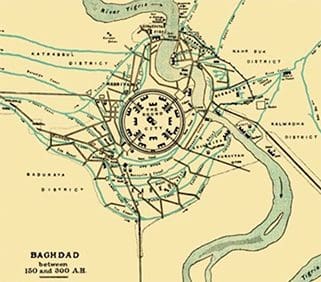
Early Islamic civilization – KQ3 – What can we learn about early Islamic civilization from the way they set up the capital at Baghdad?
Pupils are first asked to design a picture showing what Baghdad would have looked like 1,000 years ago. It is best if they draw it as an aerial view- a…
Read More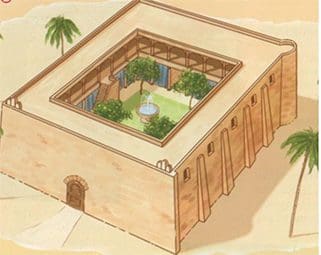
Early Islamic civilization – KQ4 – What was so special about Baghdad in its Golden Age?
In it’s Golden Age, ten times more people lived in Baghdad than in London. So what was so special about it? And how can we possibly know? Pupils work on…
Read More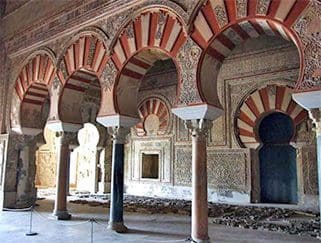
Early Islamic civilization – KQ5 – Just how amazing was daily life for rich people in Islamic cities such as Baghdad and Cordoba?
Pupils in role as rich Saxon visitors to 10C Islamic cities, have to capture the essence of these amazingly sophisticated cities. Towards the end of their journey they have to…
Read MorePrimary History: Teaching Early Islam/Baghdad c.900
All the lessons featured below flow from the detailed medium-term planner. Each has been chosen to help pupils not only to learn about this magnificent society in its Golden Age…
Read More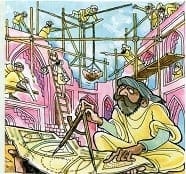
Early Islamic civilization – KQ6 – Which of the early Islamic achievements has most effect on our lives today?
Key Question 6 consists of 2 Smart Tasks. Following a brief overview of the impact of early Islamic achievements on our world today, pupils work on two discrete tasks. Firstly…
Read MoreWritten by Neil Thompson
All content on Keystage history is written and quality assured by Neil Thompson, a former history teacher, county history adviser and Ofsted inspector with more than 30 years’ experience in history education.