
Vikings Lessons

KS2 outstanding history lessons on Vikings
The Vikings have always been one of those topics every primary teacher has looked forward to teaching. That can be a strength and a potential weakness. If we get carried away too much with the sagas and stories of plunder and pillage, we may miss the opportunity of helping pupils to realise how the changing nature of the evidence historians can now access has changed the way we should interpret the Vikings.
By teaching the Vikings combined with the Saxons you not only save time but also strengthen pupils’ understanding of their inter-relationship. Pupils should not see this post-Roman period as just one damned invader after another but rather to look at how each group has responded to earlier civilizations as well as leaving their own characteristic mark on the landscape.
We must above all realise that the Vikings were not just raiders, but also traders. Or, more accurately, were both, but at different times. The lessons and tasks below all reflect this general approach majoring on the use of new evidence and the changing interpretations this has brought about over the last 50 years.
Planner, assessment tasks and knowledge organiser
| All Vikings Key Questions | Historical focus |
|---|---|
| KQ1 – What image do we have of the Vikings? | Historical interpretations |
| KQ2 – Why have the Vikings gained such a bad reputation? | Evidence and interpretations |
| KQ3 – How did the Vikings try to take over the country and how close did they get? | Conflict and chronology |
| KQ4 – How have recent excavations changed our view of the Vikings? | Archaeology and interpretations |
| KQ5 – What can we learn about Viking settlement from a study of place-name endings? | Settlement and evidence |
| KQ6 – Raiders or settlers: how should we remember the Vikings? | Interpretation and significance |
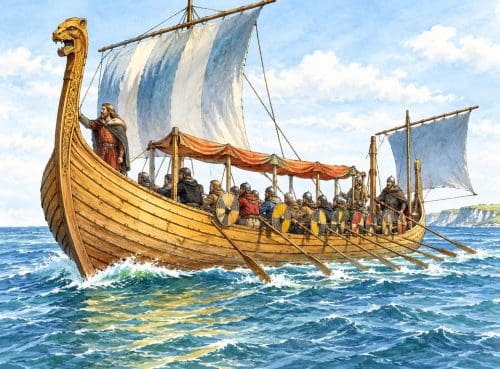
Vikings – KQ1 – What image do we have of the Vikings?
This two part session gives the topic on the Vikings a really active start. Following an introduction to the Vikings in time and place, including a competitive Time Team task,…
Read More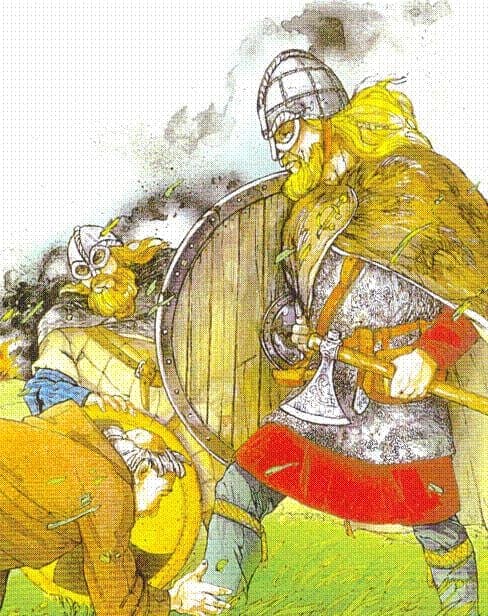
Vikings – KQ2 – Why have the Vikings gained such a bad reputation?
Having explored the nature of the stereotypical Viking image in the first session, it is now time to examine the origins of the image. Pupils compare two very contrasting accounts…
Read More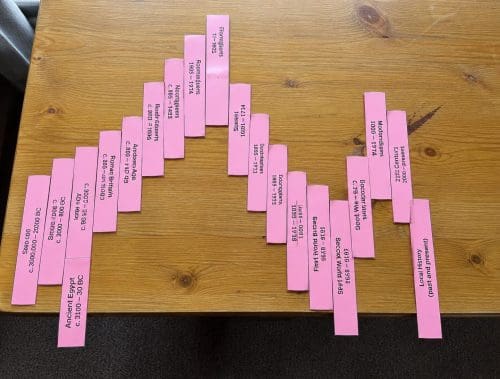
Vikings – KQ3 – How did the Vikings try to take over the country and how close did they get?
This task encapsulates the struggle between the Anglo-Saxons and the Vikings in an engaging way that really makes pupils think about the dynamics of the conflict – rather than ‘one…
Read More
Vikings – KQ3 Additional Resource – How did the Vikings try to take over the country and how close did they get?
This article supports KQ3 The first raids early 790s 1. In 789 three ships from Norway landed in Dorset. The king’s local official went to meet the Vikings in the…
Read More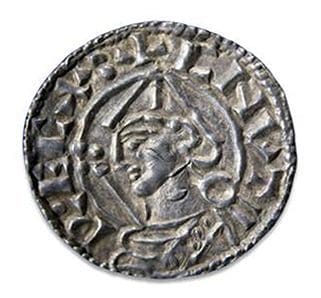
Vikings – KQ4 – How have recent excavations changed our view of the Vikings?
Evidence of Viking occupation Using the Mantle of the Expert approach, pupils help a confused museum curator to write high quality captions for 11 images that MIGHT show Viking occupation…
Read More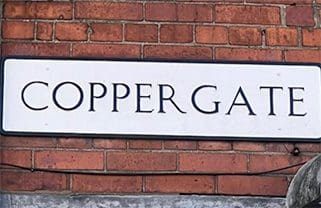
Vikings – KQ4 Supporting information – The invisible Vikings?
Key Question 4 address the key issue of evidence to support, or contradict, the idea that the Vikings were simply raiders rather than trader sand settlers. Getting to grips with…
Read More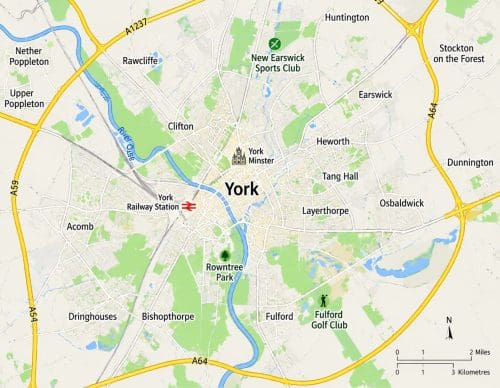
Vikings – KQ5 – What can we learn about Viking settlement from a study of place-name endings?
Viking place name evidence A very active session in which pupils apply their knowledge of Viking place name endings to look for settlement patterns, using maps of Lincolnshire and the…
Read MoreVikings – KQ6 – Raiders or settlers: how should we remember the Vikings?
Differing views of the Vikings Fun concluding lesson in which pupils produce a balanced, illustrated Zig-Zag book to please a Scandinavian publisher, having looked at differing views of the Vikings….
Read More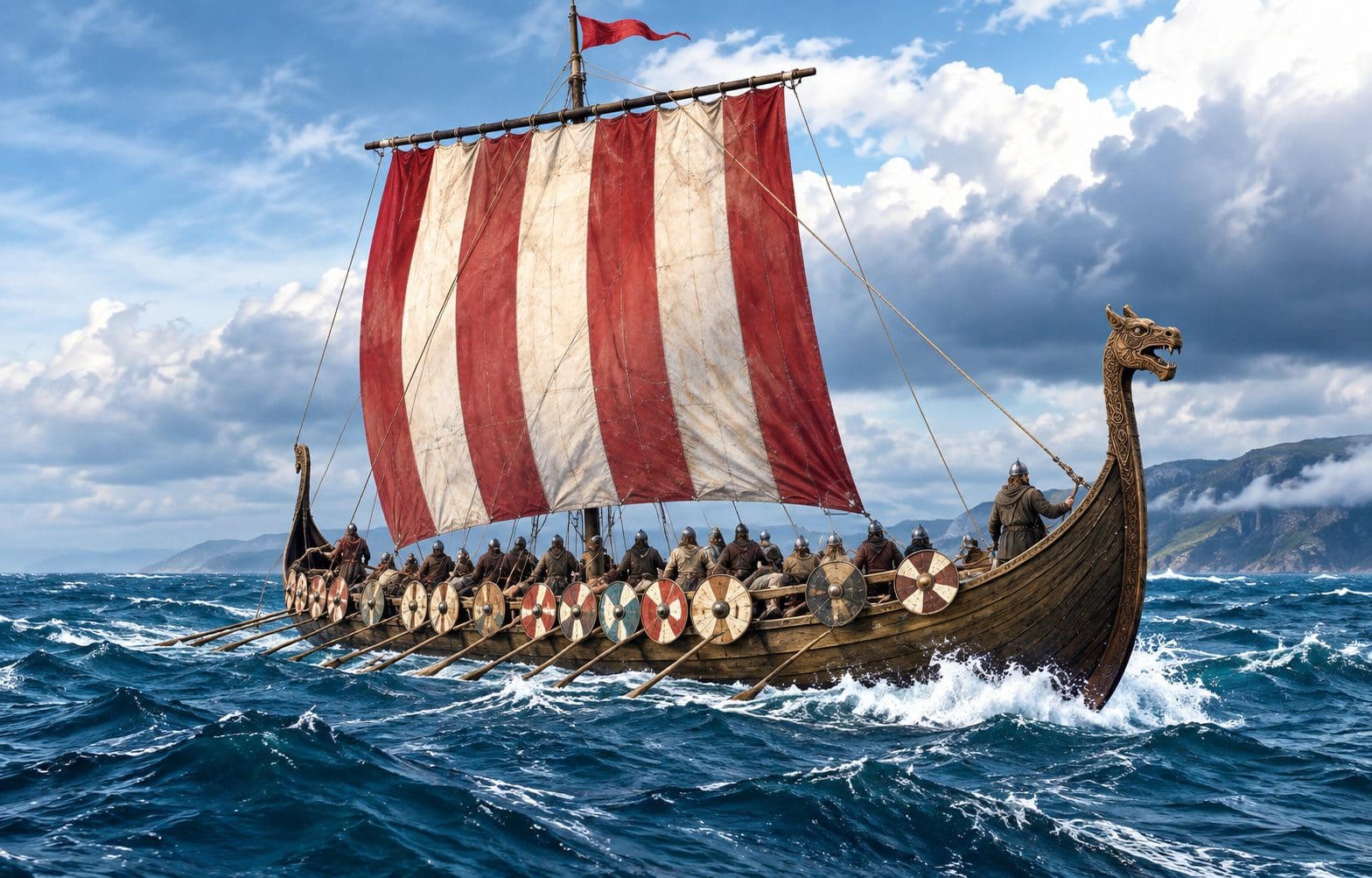
KS2 Quick Quiz on the Vikings
This exit task is a quick way of working out whether the key messages of your teaching about the Vikings have been understood and is best done towards the end…
Read MoreWritten by Neil Thompson

All content on Keystage history is written and quality assured by Neil Thompson, a former history teacher, county history adviser and Ofsted inspector with more than 30 years’ experience in history education.