
KS1 History Resources, Lessons & Planning
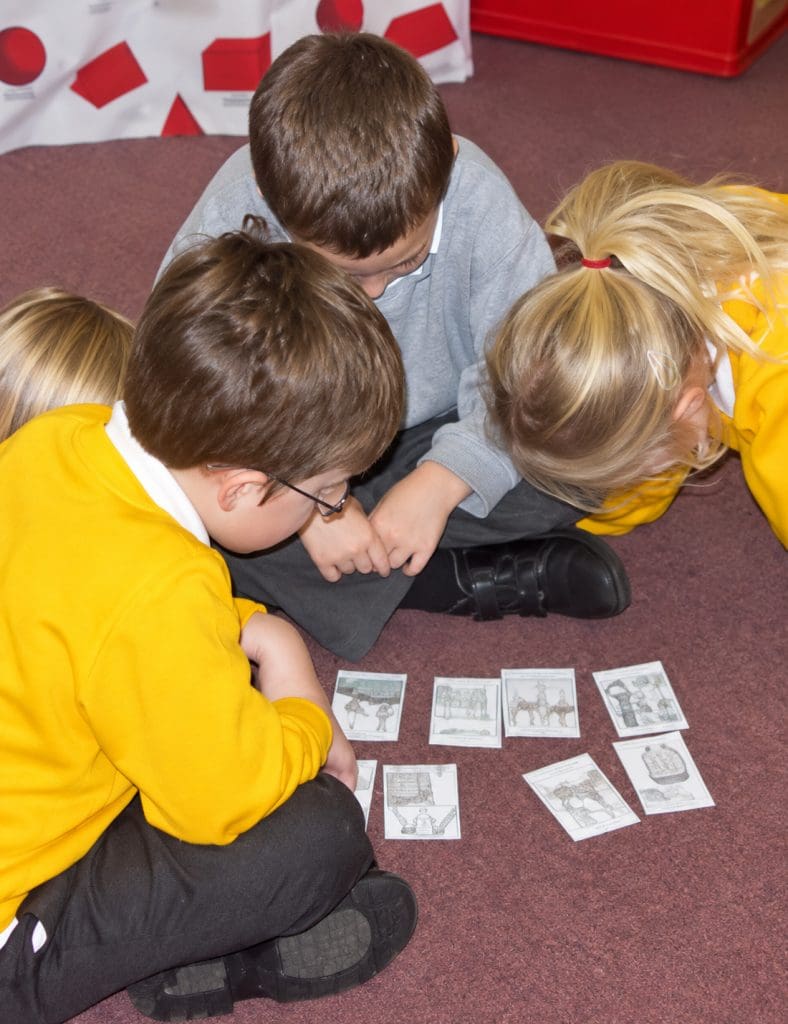
Explore our KS1 History Resources by Topic
Explore expert-created KS1 history resources, lesson plans, medium-term planning, PowerPoints, assessments, quizzes and knowledge organisers for Years 1 and 2.
You will find masses of advice on how to make KS1 history lessons fun and how to help pupils to take their first steps into the fascinating world that is the past. You will be helped to design and plan an exciting primary history curriculum in line with the requirements of the National Curriculum taking into account the difficult areas of assessment and progression in history. You also will be helped to make the most of history’s contribution to the whole curriculum by being shown cutting edge practice in the areas of cross-curricular planning, literacy, thinking skills and creativity.
If it is imaginative ideas for KS1 history lessons you are looking for, then you will definitely want to spend time in the teaching section with its hundred great primary history teaching strategies and in the learning section with its wide range of imaginative approaches and brilliant ideas for products that children will love.As a subject leader, you will find easily accessible advice that is ‘right on the money’. Years of helping hundreds of infant teachers with their history planning, resourcing, and monitoring in history, has enabled me to know exactly what is needed, and which support strategies really work.
| KS1 History Topic | Resources include |
|---|---|
| Amelia Earhart KS1 | Amelia Earhart lessons, flight history, assessment, quiz and significant-person resources |
| Amy Johnson KS1 | Amy Johnson lessons, flight and exploration activities and significant-person enquiries |
| Castles KS1 | Castle history lessons, chronology, change over time and enquiry activities |
| Caxton & Bell KS1 | William Caxton and Alexander Graham Bell lessons, planning and significant-person resources |
| Christopher Columbus KS1 | Columbus lessons, planner, knowledge organiser, assessment and exploration enquiries |
| Florence Nightingale KS1 | Florence Nightingale lessons, historical enquiries, planning, assessment and resources |
| Grace Darling KS1 | Grace Darling lessons, enquiry activities, planner, assessment and resources |
| Great Fire of London KS1 | Great Fire lessons, PowerPoints, scheme of work, assessment, quiz and knowledge organiser |
| Gunpowder Plot & Guy Fawkes KS1 | Guy Fawkes and Gunpowder Plot lessons, historical sources, role play and enquiry activities |
| Louis Braille KS1 | Louis Braille lessons, planner, significant-person enquiries and classroom resources |
| Mary Anning KS1 | Mary Anning lessons, medium-term planning, assessment, quiz and knowledge organiser |
| Mary Seacole KS1 | Mary Seacole lessons, planner, assessment, historical interpretation and resources |
| Moon Landing KS1 | First Moon Landing lessons, planning, enquiries, assessment and classroom resources |
| Nursery Rhymes EYFS and KS1 | Reception history activities using nursery rhymes to explore past and present |
| On the move (transport) EYFS and KS1 | Transport activities using to explore past and present |
| Queens KS1 | Elizabeth I, Queen Victoria and Elizabeth II lessons exploring monarchy and change over time |
| Reception History Topics | EYFS and Reception activities introducing children to past and present, chronology and historical vocabulary |
| Remembrance Day KS1 | Remembrance Day, poppies and First World War history lessons and activities |
| Rosa Parks KS1 | Rosa Parks lessons, Civil Rights history, enquiry activities, assessment and quiz |
| Scott of the Antarctic KS1 | Captain Scott lessons, exploration history, enquiry activities, assessment and quiz |
| Seaside Holidays KS1 | Seaside holidays through time, lesson plans, historical sources, comparison and planning |
| Titanic KS1 | Titanic lessons, historical enquiries, planning, assessment, quiz and knowledge organiser |
| Toys Past & Present EYFS and KS1 | Toys past and present lessons, chronology, historical comparison, planning and assessment |
| Wright Brothers KS1 | Wright Brothers lessons, history of flight, planner, assessment, quiz and resources |
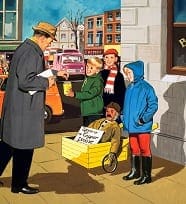
Bonfire Night when Granny was a girl: Smart Task
These activities have been designed for the current curriculum, covering the past within living memory and commemorative events. The three PowerPoint presentations, including copyrighted images of the 1950s and early…
Read More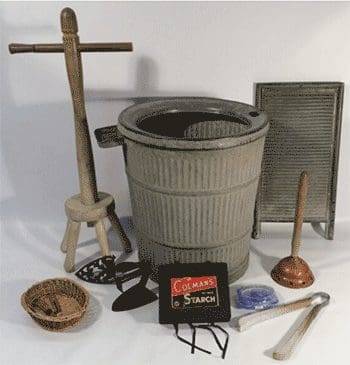
Washday in the past; helping the hopeless Mr Lather
The children will be familiar with the range of processes involved in washing clothes in the past. They will have watched programmes such as Magic Grandad and will have explored…
Read More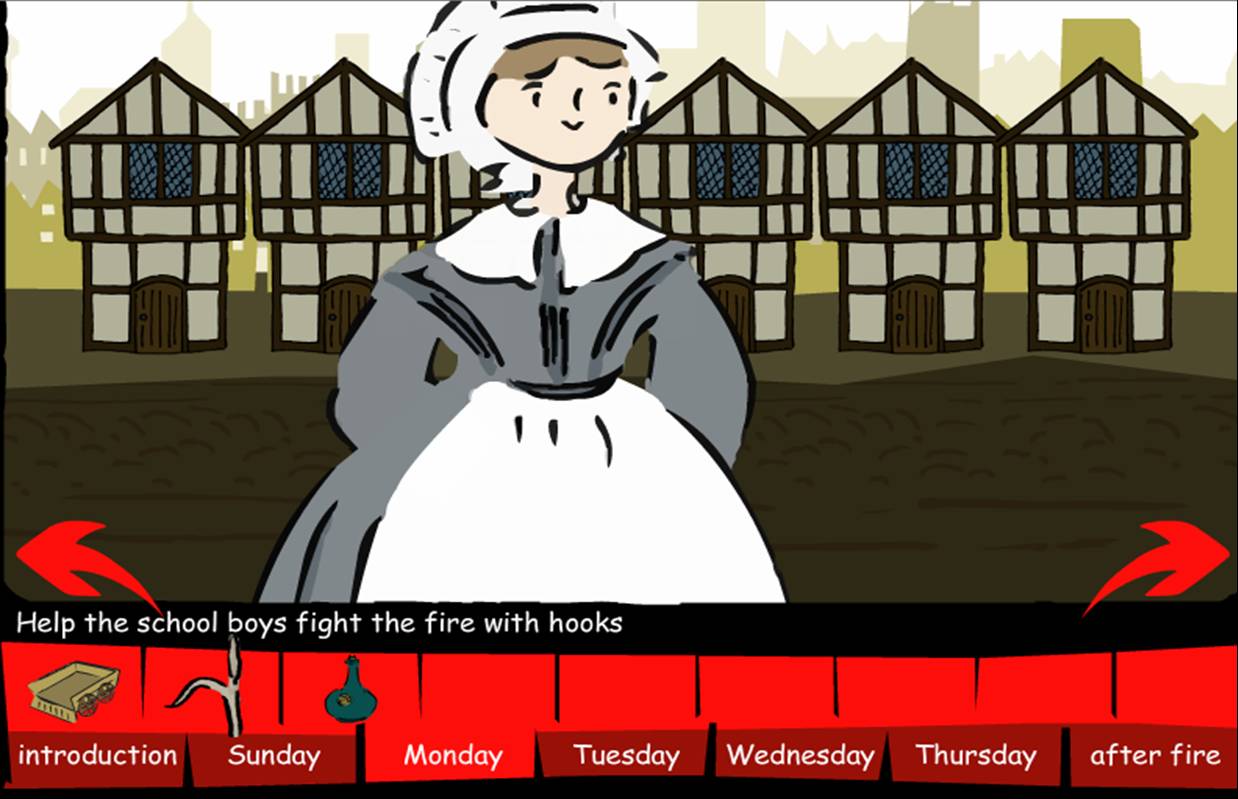
Help Tom to fight the Great Fire. Smart Task
This ICT based activity draws heavily on the superb new website created as a joint enterprise by the National Archives, National Portrait Gallery, Museum of London and London Fire Brigade…
Read More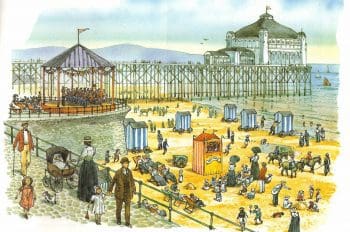
KS1 : Going to the Seaside-the mystery of the pier
One of the more interesting features of the Seaside holidays topic is the fact that it opens up discussion, even for young children, on what these novel features were built…
Read More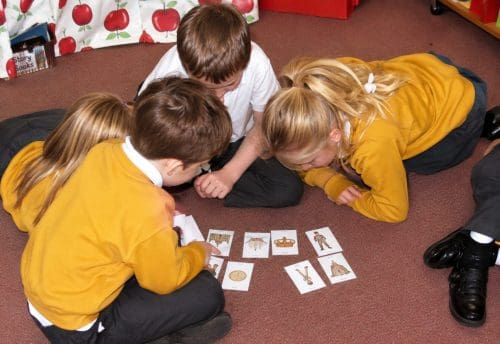
Roles of learners
One of the best ways of exciting young children in history is to put them in role. Dorothy Heathcote’s approach called Mantle of the Expert invests expertise in the pupils,…
Read More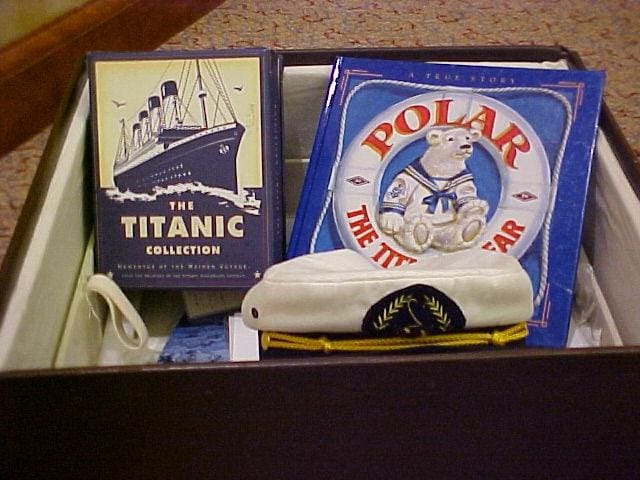
Imaginative history outcomes at Key Stage 1
A key part of motivating infants in history is providing interesting practical products that really stimulate their interest. When so many young pupils naturally find it difficult to communicate their…
Read More
50 imaginative history learning activities for KS1
This ground-breaking section offers a massive range of ideas, arranged in alphabetical order. Some of the titles may seem a bit esoteric but experience of working with hundreds of teachers…
Read More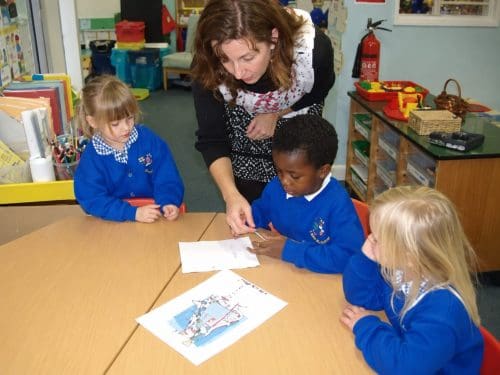
Inclusion at Key Stage 1
In addition to advice on: being healthy, staying safe, enjoying and achieving, making a positive contribution etc, this site focuses on five others areas that have the ECM’s agenda, if…
Read More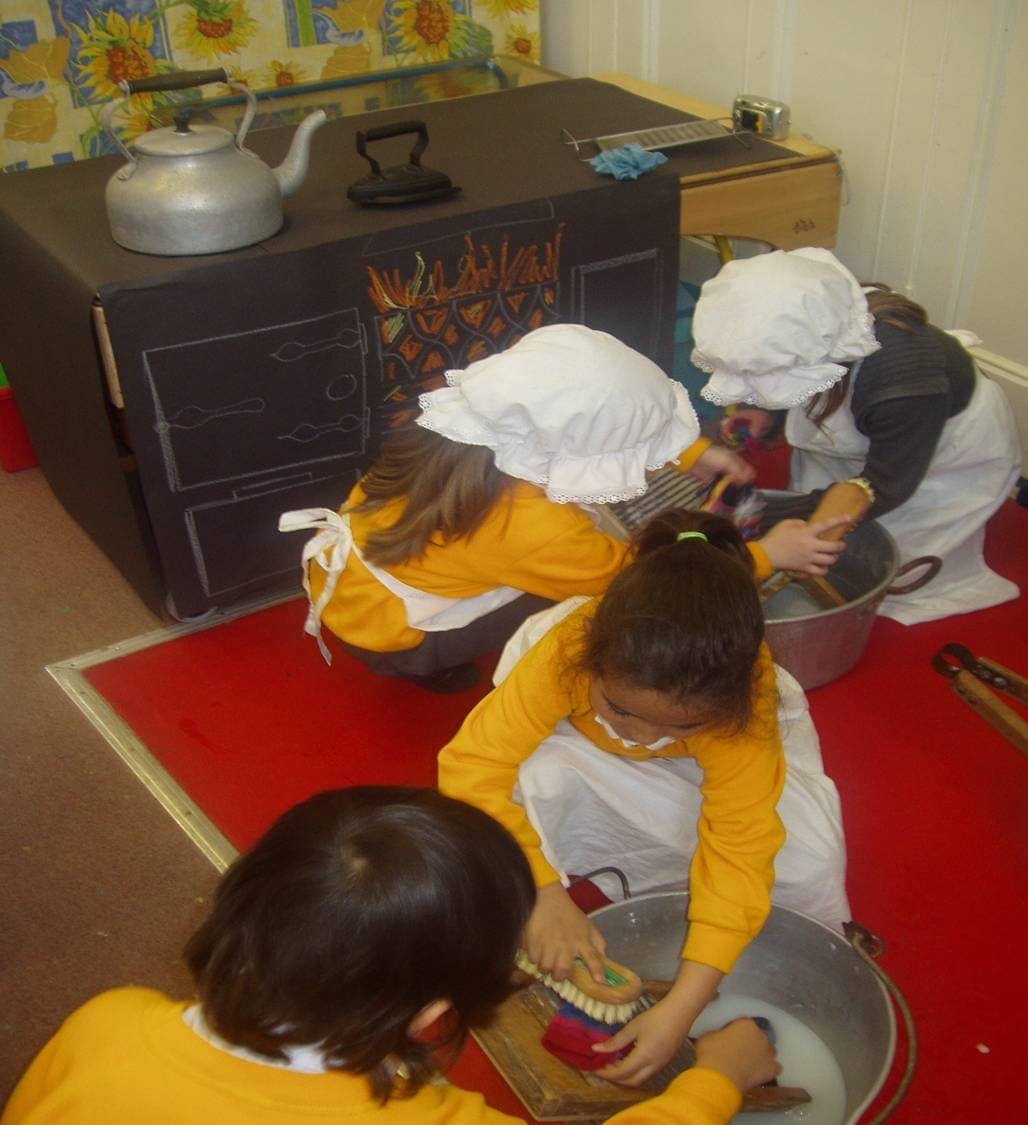
Gender issues in history at Key Stage 1
It is tempting when thinking about boys’ achievement to focus on teaching and learning, but there is a stage before that to consider. When we have so much choice at…
Read More
Gifted and Talented in history at KS1
Much has been written in general terms about identifying and then catering for able pupils in history. OFSTED and others have criticized schools for not moving beyond identification and general…
Read MoreMotivating pupils in history at Key Stage 1
The essence of what appeals to pupils can often be summed up by the words, People, Puzzle and Point. Children engage best if there is human interest. They like to…
Read More
Digital Technology, AI and film at KS1
This section alerts you to where you will find examples of published best practice as well as featuring a few cameos that I have been involved in developing. I have…
Read More
Teaching chronology at Key Stage 1
Mention the teaching of chronology to most infant teachers and their eyes glaze over. Their experience is that it is like picking up mercury with a fork. One minute the…
Read More
‘100’ great ideas for teaching history at KS1
At present there are nearly 80 ideas arranged in alphabetical order. You will see that a brief description is offered, kept brief just as a reminder. It is useful if…
Read More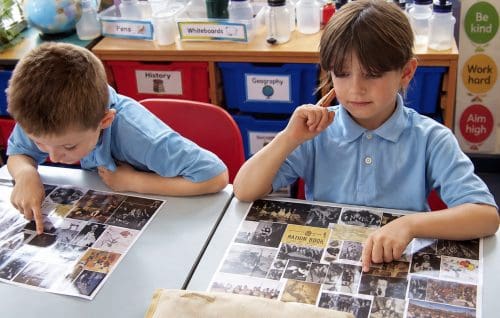
What makes an outstanding lesson in history at KS1?
Below is a list of the typical characteristics of excellent lessons. Lists can only help up to a point though. They must be read alongside the section on the teaching…
Read MoreThe teaching process in history at KS1
The approach offered on this site is only one of many you might know, or even use. Heaven forbid that teaching should ever be done to formula, but in my…
Read More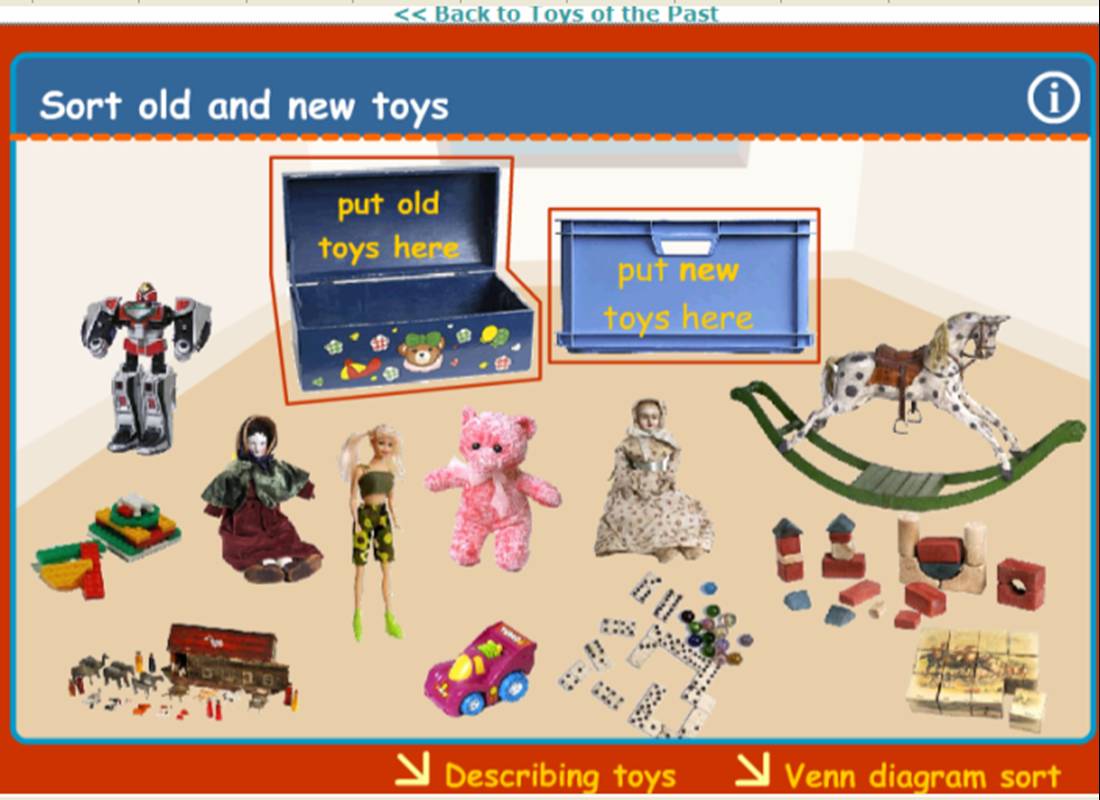
Personal & Family: Ourselves Key Stage 1
It is not always easy knowing what history to teach very young infants. There are three main issues. How do you avoid covering aspects of the pupils’ own lives that…
Read More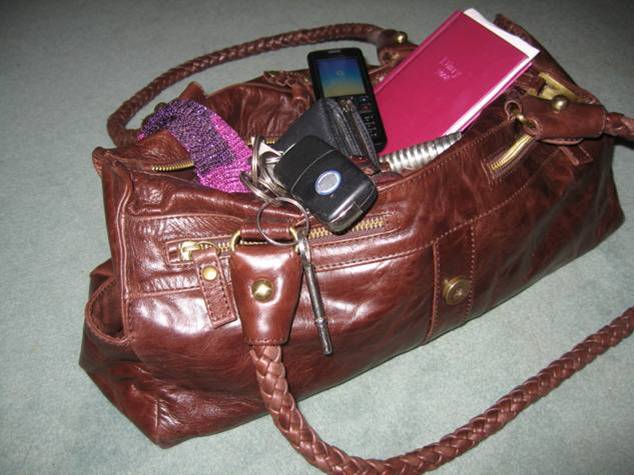
Teaching Myself – Muddled Bags
As you would expect, it is far better to start with the children themselves and images of them growing up, before moving on to look at two or more generations,…
Read MoreTeaching Nursery Rhymes to Key Stage 1
This topic is extremely well suited to children in Year R as part of the Foundation stage curriculum. Not only does it help children to grasp the difference between past…
Read More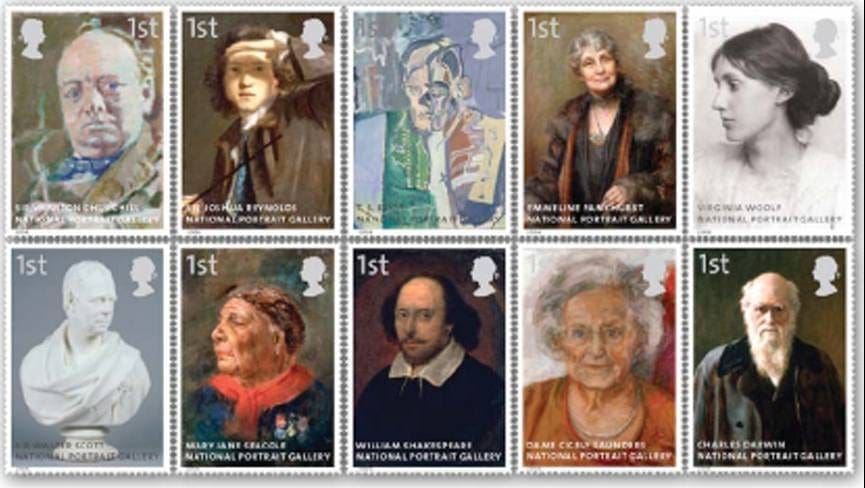
Mary Seacole – How should we remember her?
This lesson is the second featuring Mary Seacole. In the first her role was compared with Florence Nightingale’s. The focus now shifts to asking two key questions: which was Mary…
Read MoreViews of learners on history at Key Stage 1
There has been very little published research on the views of infants on their history work. I think we might be able to predict that most pupils would be positive…
Read More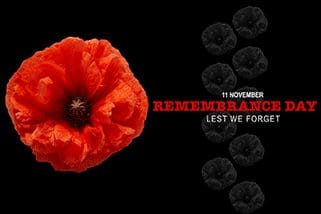
How will your school commemorate the end of World War One?
This short advice sheet invites schools to consider how they will commemorate the centenary of armistice day and provides an illustrated PowerPoint presentation offering 8 attractive ideas to set you…
Read More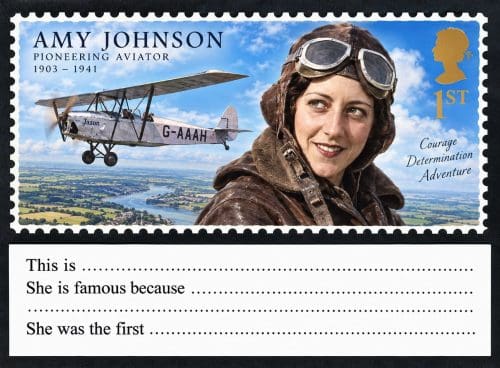
Amy Johnson – KQ1 – Why do you think Amy Johnson was famous?
With the help of the slow reveal of the clues in carefully arranged order, pupils build their knowledge of Amy Johnson’s significance and write their own brief caption to accompany…
Read More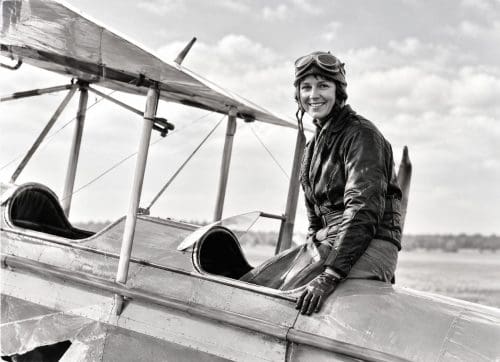
Amy Johnson – KQ2 – How did Amy the secretary end up being the first woman to fly to Australia?
This short, fun activity using mime and props, tells the story of Amy Johnson’s first flight to Australia in a way that children will never forget. Each of the 8…
Read More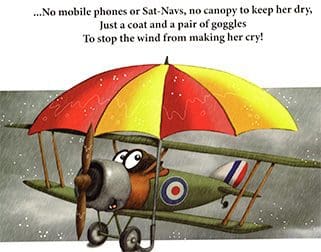
Amy Johnson – KQ3 – Why was flying to Australia so difficult for Amy Johnson?
Having heard the story of Amy Johnson’s life, pupils are now asked to focus their attention on explaining why it was such a difficult feat for Amy to achieve at…
Read More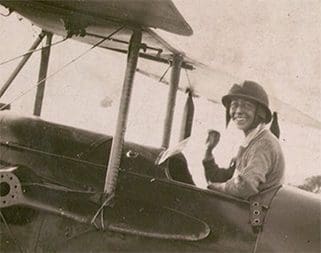
Amy Johnson – KQ4 – How did people react to Amy Johnson’s famous flight?
How did people react to Amy at the time, and how do we know? Children generate adjectives to describe Amy’s arrival in Australia using a photograph and short newspaper extracts…
Read More
Amy Johnson – KQ5 – How did things change for Amy Johnson after her famous flight?
Was Amy really successful for the rest of her life? A Living graph Smart Task KQ5 The focus here is on the ups and downs of Amy’s life, in the…
Read More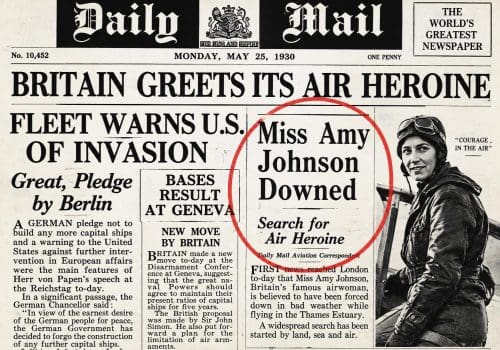
Amy Johnson – KQ6 – How can we solve the mystery of what happened to Amy Johnson?
This enduring mystery has puzzled historians for over 75 years. New evidence has just come to light which makes this an ideal opportunity for pupils to explore reasons for themselves….
Read More
KS1 Star Lesson on The Great Fire
Why did the Great Fire of 1666 burn down so many more houses than other fires in London at that time? In this exceptional lesson, pupils adopt the role of…
Read More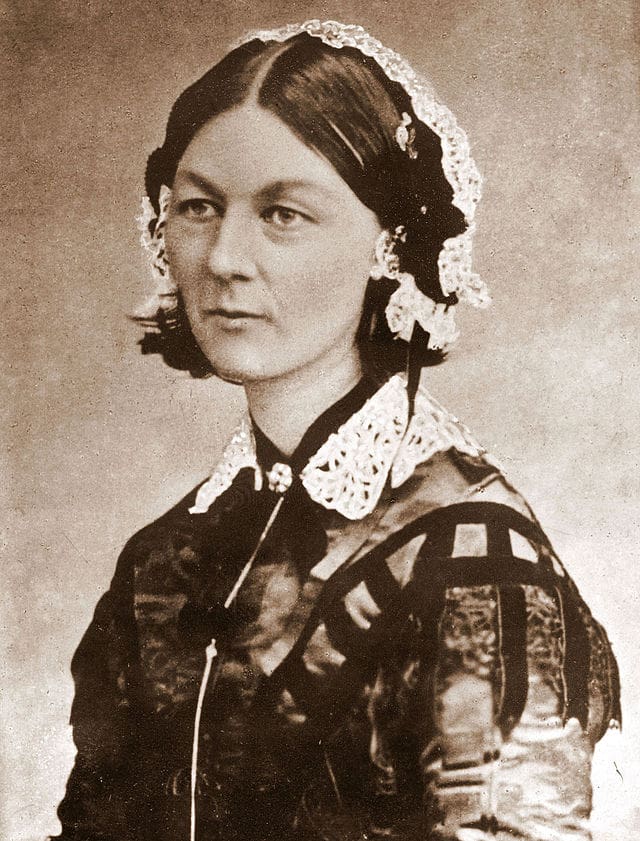
How well do you and your pupils know Florence Nightingale?
Here are 10 probing questions. See how you get on. Oh, and the answers are given below, in case you need them. As if! Q1. How was Florence Nightingale received…
Read More
Just how good is your KS1 history curriculum?
The 12 most crucial questions to ask yourself about your KS1 history curriculum, and some expert answers if you get stuck! What you should be doing, and what to do…
Read More
Teaching Famous Events at Key Stage 1 – Outstanding Lessons
There are two types of events that are expected to be taught to KS1 pupils as part of the National Curriculum. One is commemorative events and anniversaries, the other significant…
Read More
6 top history ideas to cover in your Great Fire topic
Many of you will be starting your Great Fire topic this term. Naturally you will want this to be exciting as well as challenging and you will want to focus…
Read More
Keeping up-to-date with your teaching of the Great Fire at KS1
If you get the chance, between the end of term and April, to visit the Museum of London’s exhibition Fire! Fire! don’t hesitate. There are some extraordinary exhibits and it…
Read More
What’s in the bag and who does it belong to? Great Fire Smart Task
An object-based problem-solving approach to learning about life during the Great Fire This Smart Task is just part of a lesson and uses the power of concealed objects to fire…
Read More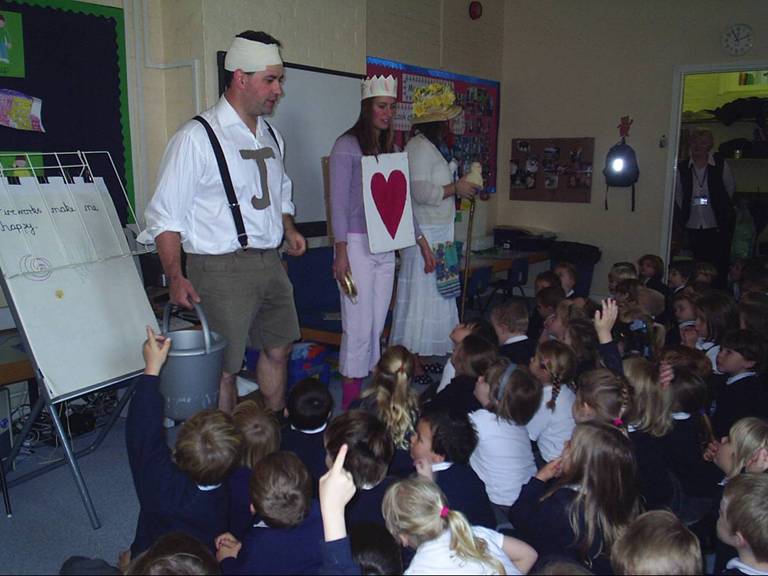
Using nursery rhymes to develop thinking skills in YR: Jack and Jill and the Queen of Hearts
This lesson was kindly provided by David Cowie and his team at Ringwood Infants C of E School. Their theme for a three week block was Nursery Rhymes. Particular sessions…
Read More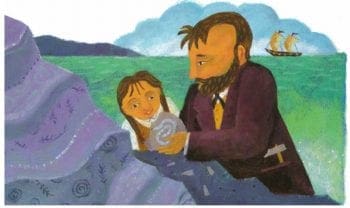
Expert Advice: Key Stage 1 – Mary Anning
She sells sea shells: planning a topic on Mary Anning, Dinosaur hunter, using the Anholt’s Stone girl, Bone girl “Would you like to go Dinosaur hunting? Well one young girl did…
Read More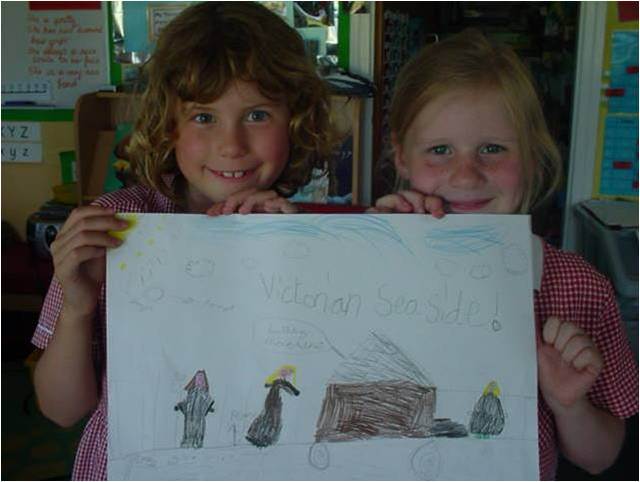
Expert Advice: Key Stage 1 – Planning for a cross-curricular topic on Going to the Seaside
This advice is for KS1 teachers planning a cross-curricular topic and focuses on how to integrate history, geography, literacy and ICT. Start the topic with a brief discussion with the…
Read More
Past beyond Living Memory: Key Stage 1
Lessons and shorter activities. Please note that these lessons and smart tasks have accompanying resources to download and that most of the PowerPoint presentations on the site have been kept deliberately…
Read More
Raising attainment in history at Key Stage 1
Experience of working with highly effective subject leaders over eighteen years has enabled me to distil SEVEN key factors that collectively contribute most to raising attainment. Factor 1: The school…
Read More
Self-evaluation for history at Key Stage 1 and 2
For Primary history subject leaders it is very important to get a clear sense of perspective on self-evaluation. I f you are not careful you will spend your very restricted…
Read MorePolicy and vision for history at Key Stage 1
There is much debate about the value of a history policy, not least how long it should be!! A couple of examples are provided here to give you a feel for…
Read More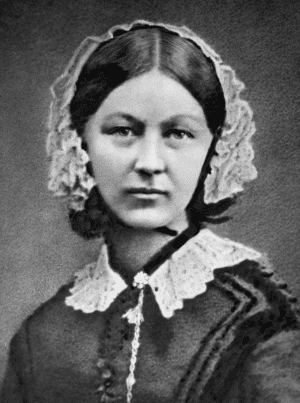
Florence Nightingale Lesson and sample planner
Fighting Fit. What did Florence do to improve the lives of the soldiers when she arrived in the Crimea? One example of a series of lessons for teaching Florence Nightingale…
Read MoreLeadership in history
When looking at leadership in history a careful balance has to be created between offering generic advice (which you could get elsewhere) and very subject-specific advice, which in its attempt…
Read More
Assessment for learning in Primary history
Assessment for Learning is much vaunted and many faceted. If we break down what it means in its constituent parts, many of you will feel that you do most of…
Read More
Target setting in history at Key Stage 1
The setting of targets with this age group for Foundation subjects is problematic., not least because pupils’ experience of history tends to be episodic rather than continuous. Setting a target…
Read MoreProgression in history at Key Stage 1
The problem Trying to secure progression within your Key Stage 1 history curriculum is not always as easy as it might seem. Sometimes it feels like trying to pick up…
Read More
Long term planning for history at Key Stage 1
Superficially, Key Stage 1 seems the least complex history curriculum to plan because the burden of content to be covered seems manageable. Scratch beneath the short section that describes the…
Read More
Medium-term planning for history at Key Stage 1
This part of the site contains a dozen detailed fully-developed enquiry-led, key question-driven medium term plans for all the major KS1 history -led topics. They have all been judged to…
Read MoreShort-term planning in history at KS1
This site does not favour the publication of short-term planning, preferring instead to focus on very detailed medium-term planning and allowing teachers the space to create their own short term…
Read MoreWritten by Neil Thompson

All content on Keystage history is written and quality assured by Neil Thompson, a former history teacher, county history adviser and Ofsted inspector with more than 30 years’ experience in history education.