
KS1 History Resources, Lessons & Planning
Explore our KS1 History Resources by Topic
Explore expert-created KS1 history resources, lesson plans, medium-term planning, PowerPoints, assessments, quizzes and knowledge organisers for Years 1 and 2.
You will find masses of advice on how to make KS1 history lessons fun and how to help pupils to take their first steps into the fascinating world that is the past. You will be helped to design and plan an exciting primary history curriculum in line with the requirements of the National Curriculum taking into account the difficult areas of assessment and progression in history. You also will be helped to make the most of history’s contribution to the whole curriculum by being shown cutting edge practice in the areas of cross-curricular planning, literacy, thinking skills and creativity.
If it is imaginative ideas for KS1 history lessons you are looking for, then you will definitely want to spend time in the teaching section with its hundred great primary history teaching strategies and in the learning section with its wide range of imaginative approaches and brilliant ideas for products that children will love.As a subject leader, you will find easily accessible advice that is ‘right on the money’. Years of helping hundreds of infant teachers with their history planning, resourcing, and monitoring in history, has enabled me to know exactly what is needed, and which support strategies really work.
| KS1 History Topic | Resources include |
|---|---|
| Amelia Earhart KS1 | Amelia Earhart lessons, flight history, assessment, quiz and significant-person resources |
| Amy Johnson KS1 | Amy Johnson lessons, flight and exploration activities and significant-person enquiries |
| Castles KS1 | Castle history lessons, chronology, change over time and enquiry activities |
| Caxton & Bell KS1 | William Caxton and Alexander Graham Bell lessons, planning and significant-person resources |
| Christopher Columbus KS1 | Columbus lessons, planner, knowledge organiser, assessment and exploration enquiries |
| Florence Nightingale KS1 | Florence Nightingale lessons, historical enquiries, planning, assessment and resources |
| Grace Darling KS1 | Grace Darling lessons, enquiry activities, planner, assessment and resources |
| Great Fire of London KS1 | Great Fire lessons, PowerPoints, scheme of work, assessment, quiz and knowledge organiser |
| Gunpowder Plot & Guy Fawkes KS1 | Guy Fawkes and Gunpowder Plot lessons, historical sources, role play and enquiry activities |
| Louis Braille KS1 | Louis Braille lessons, planner, significant-person enquiries and classroom resources |
| Mary Anning KS1 | Mary Anning lessons, medium-term planning, assessment, quiz and knowledge organiser |
| Mary Seacole KS1 | Mary Seacole lessons, planner, assessment, historical interpretation and resources |
| Moon Landing KS1 | First Moon Landing lessons, planning, enquiries, assessment and classroom resources |
| Nursery Rhymes EYFS and KS1 | Reception history activities using nursery rhymes to explore past and present |
| On the move (transport) EYFS and KS1 | Transport activities using to explore past and present |
| Queens KS1 | Elizabeth I, Queen Victoria and Elizabeth II lessons exploring monarchy and change over time |
| Reception History Topics | EYFS and Reception activities introducing children to past and present, chronology and historical vocabulary |
| Remembrance Day KS1 | Remembrance Day, poppies and First World War history lessons and activities |
| Rosa Parks KS1 | Rosa Parks lessons, Civil Rights history, enquiry activities, assessment and quiz |
| Scott of the Antarctic KS1 | Captain Scott lessons, exploration history, enquiry activities, assessment and quiz |
| Seaside Holidays KS1 | Seaside holidays through time, lesson plans, historical sources, comparison and planning |
| Titanic KS1 | Titanic lessons, historical enquiries, planning, assessment, quiz and knowledge organiser |
| Toys Past & Present EYFS and KS1 | Toys past and present lessons, chronology, historical comparison, planning and assessment |
| Wright Brothers KS1 | Wright Brothers lessons, history of flight, planner, assessment, quiz and resources |
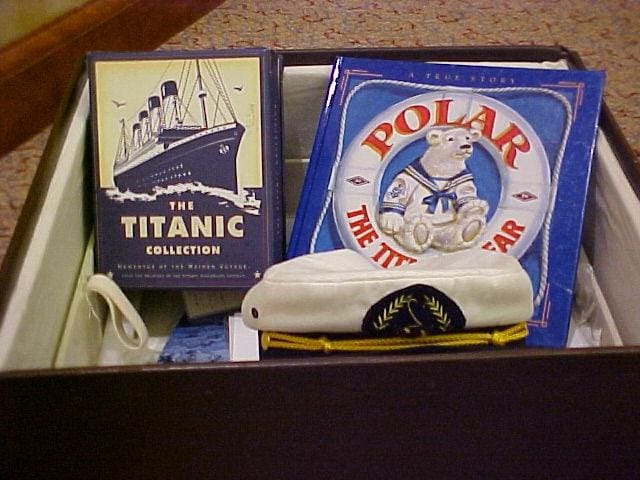
Titanic – KQ3 – How could the unsinkable Titanic sink?
This Y2 lesson takes pupils understanding beyond that of knowing what happened to the Titanic to work out why it sank. The aim is to go beyond simple one cause…
Read More
Moon Landing – KQ1 – Has man ever been to the moon and how can we know for sure?
Varied introduction to the Moon Landing topic with pupils actively involved in sequencing, speculating and then the killer activity called Prove it in which they have to use a gallery…
Read More
KS1 History Planner for Scott of the Antarctic topic
Medium term planning and planner for Scott of the Antarctic KS1 This topic has been designed for Term 3 of Y1 but would also suit use with older pupils. It…
Read More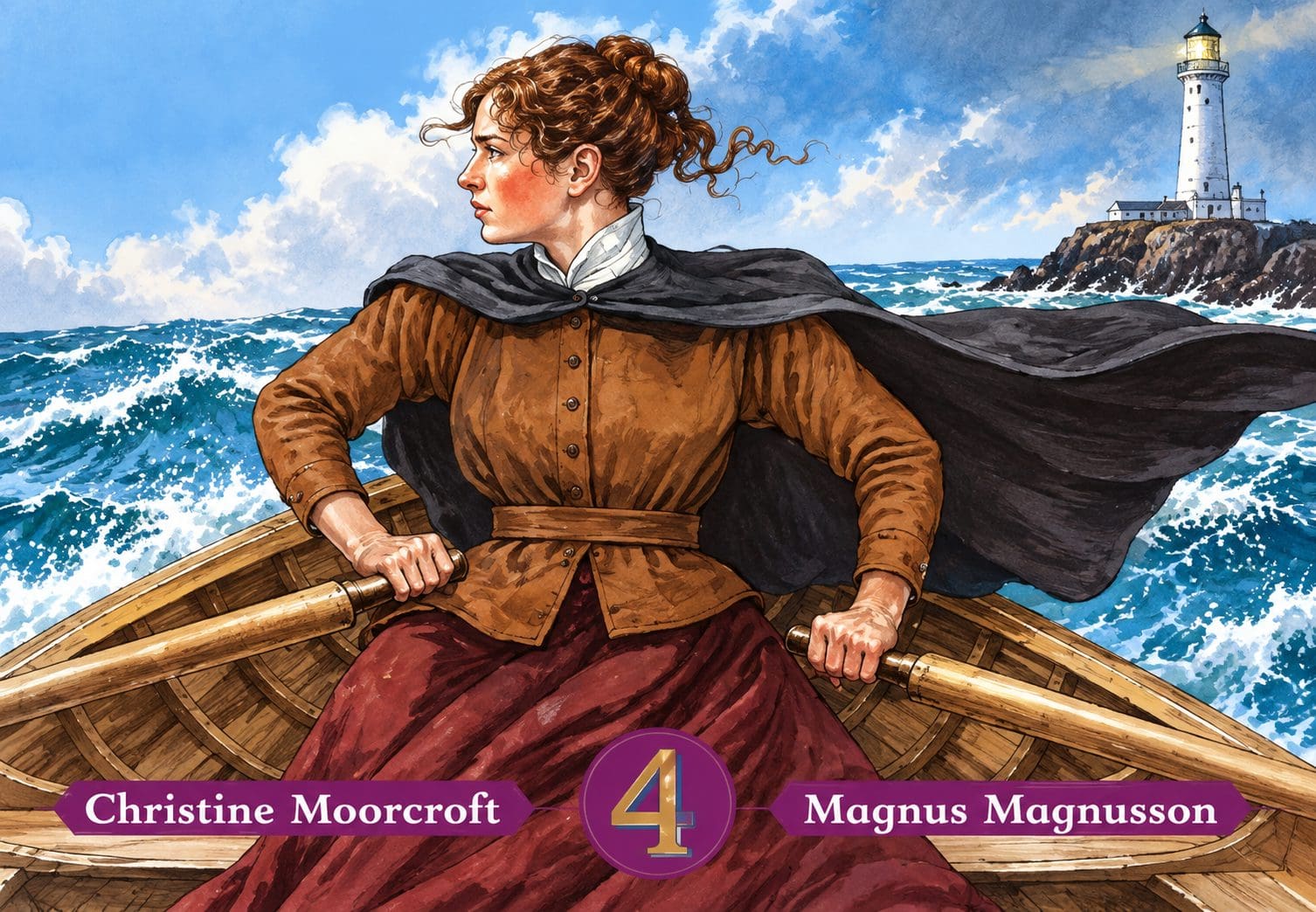
Grace Darling – KQ1 – Setting up the enquiry – What did Grace do that made her famous …and why is she remembered today?
This is the first lesson on an enquiry into Grace Darling: what she did, and why she was famous. The kernel of the lesson is a slow reveal activity which…
Read More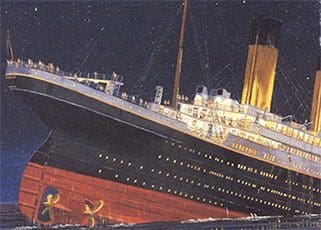
Titanic – KQ4 – How should we film the sinking of the Titanic?
Stephen Spielberg has asked for a historically accurate poster for a new film he is planning on the sinking of the Titanic. He wants school children to design a poster…
Read More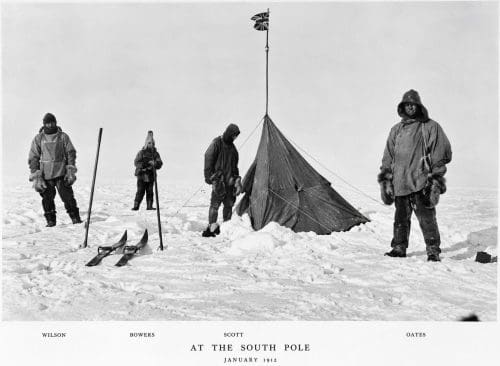
Scott of the Antarctic – KQ1 – Who on earth is this famous person?
This fun first lesson on Scott of the Antarctic using the slow reveal technique of an iconic image to enable pupils to work out the clues as to why the…
Read More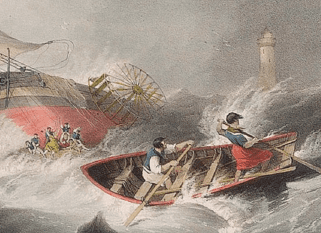
Grace Darling – KQ2 – Why did Grace Darling act in the way she did?
An active lesson in which pupils generate adjectives and then use a Diamond-4 ranking activity, followed by hot seating, to ascertain Grace’s motivation. A broader context is achieved by asking…
Read More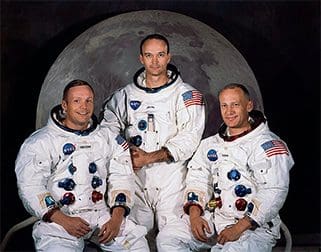
Moon Landing – KQ2 – Why did the astronauts risk their lives going to the moon?
This session for KS1 children comprises three distinct activities. Activity 1 – Story telling Activity 2 – Diamond 4 Activity 3 – Teacher-in-role as Neil Armstrong Learning objectives Pupils are…
Read More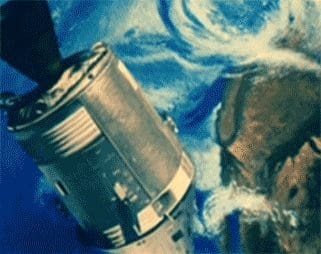
Moon Landing – KQ3 – How were they able to get to the moon and back safely?
This lesson focuses on how the astronauts were able to get to the moon and back safely. There are 2 activities to engage the pupils, activity 1 – sequencing images…
Read More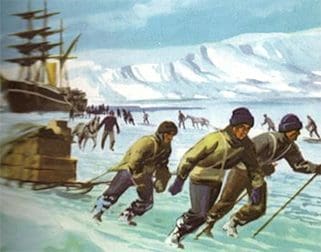
Scott of the Antarctic – KQ2 – How did Scott get to the South Pole and what happened then?
You can use this task on Scott’s journey to the South Pole in a number of ways: as a simple sequencing task, which really challenges across the ability range or…
Read More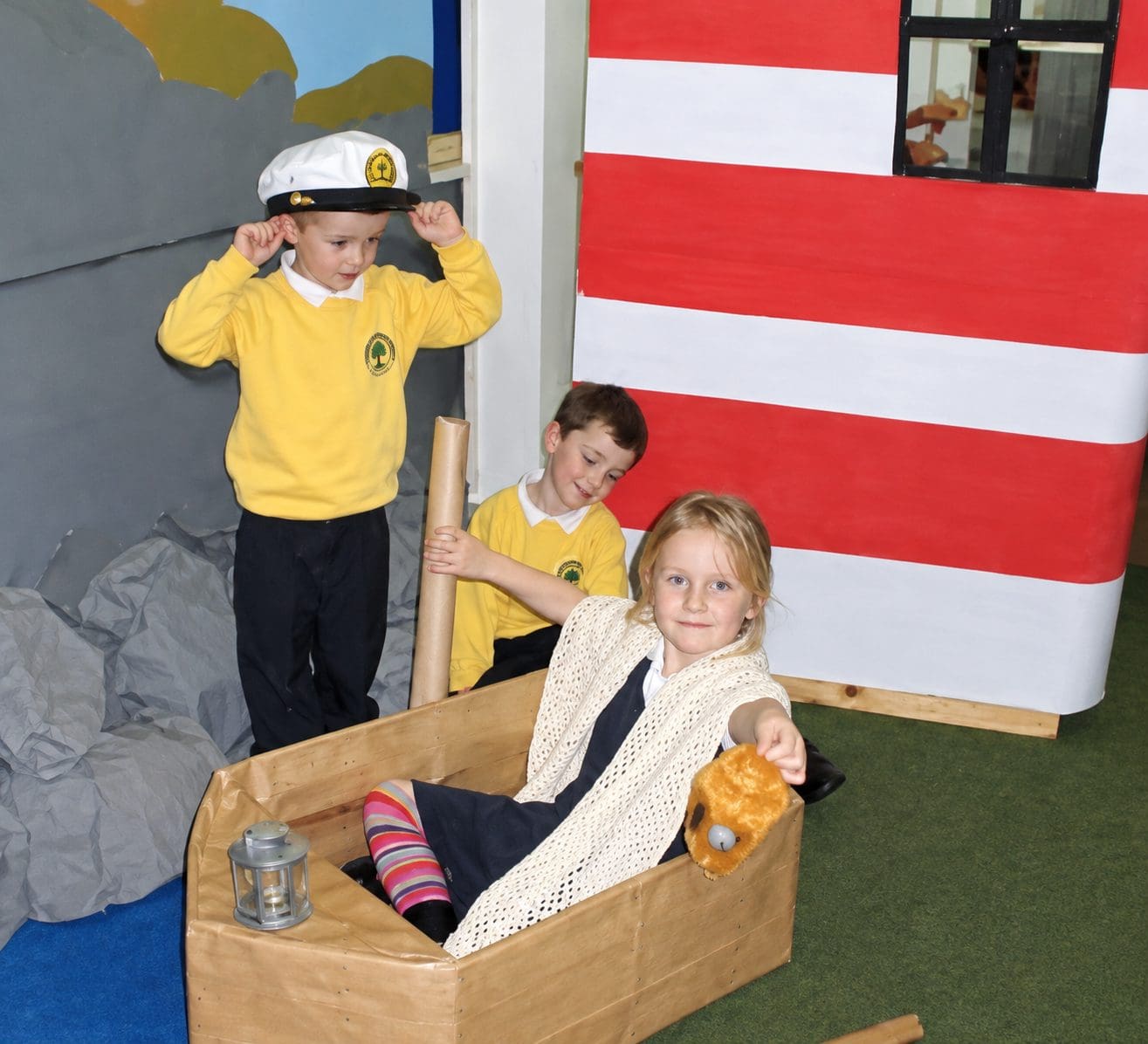
Grace Darling – KQ3 – Did Grace Darling really carry out the brave rescue on her own?
This Year 1 lesson on historical interpretations starts with a stark comparison of 2 images of the rescue showing very different detail. Pairs of pupils are then given 1 of…
Read More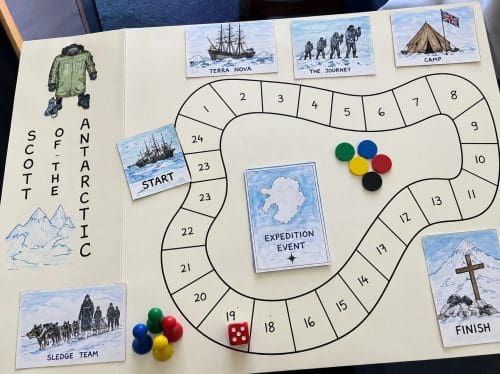
Scott of the Antarctic – KQ2b -Scott of the Antarctic: From sequencing to Living graph Key question
This activity enabled children to see how certain events had a positive or a negative effect on Scott’s expedition to the South Pole. The children in Year One also needed…
Read More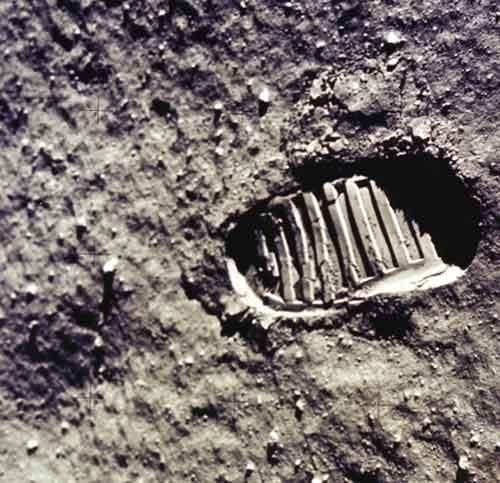
Moon Landing – KQ4 – What did they do on the moon?
This lesson uses differentiated resources as a starting point to help children access the detail of man’s first steps on the moon surface at an appropriate level. I have marked…
Read More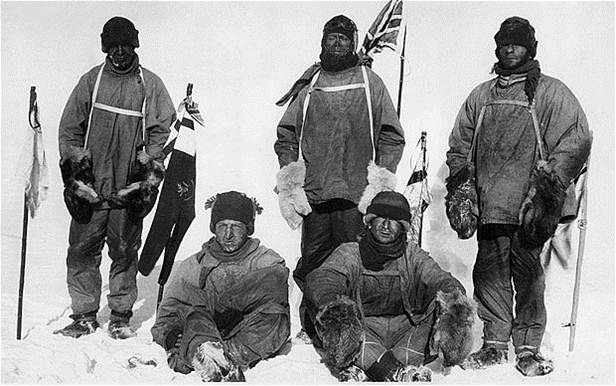
Scott of the Antarctic – KQ3 – Why did Scott risk his life going to the South Pole?
The concept of an intrepid explorer may not be completely alien to even the youngest children as the media does focus a lot on individual record breaking, whether it be…
Read More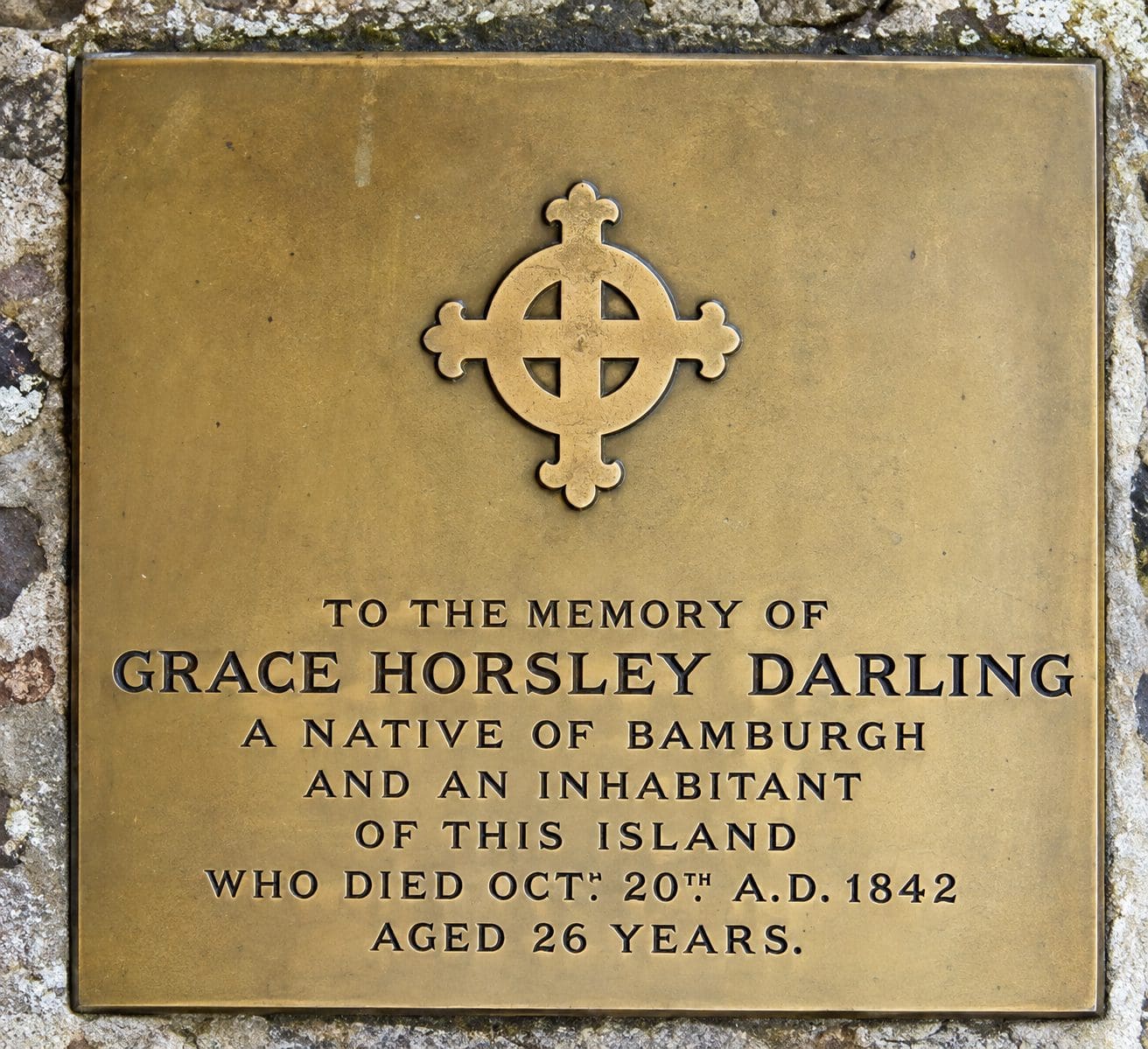
Grace Darling – KQ4 – How do we know about Grace Darling’s actions which happened so long ago?
There are two distinct elements to this session. Firstly, pupils develop a sense of period and of evidence by thinking about the sources historians would use to find out about…
Read More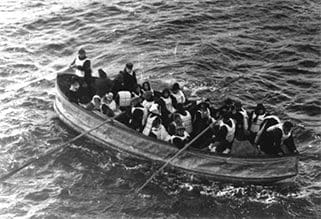
Titanic – KQ5 – Why weren’t more people saved from the Titanic?
In this problem-solving activity, pupils have to speculate, using a stimulus image and then evaluate a range of given reasons based on their plausibility, placing them on a spectrum. To…
Read More
Moon Landing – KQ5 – Would you take the Golden Ticket and travel to the moon?
This lesson follows on from lessons introducing the reasons why men first went to the moon, what they did when they were there, and the evidence we have for their…
Read More
Grace Darling – KQ5 – How did sea rescue improve as a result of Grace Darling’s story?
This session comprises 2 principal activities: matching descriptions of lifeboats to time periods to deepen pupils’ sense of change, continuity and chronology; sequencing and then selecting images for a Museum…
Read More
Titanic – KQ6 – What are the best ways of stopping disasters such as the sinking of the Titanic ever happening again?
Pupils are employed as safety advisers to the UK and US governments in the aftermath of the sinking of the Titanic? Their job is to come up with the best,…
Read MoreMoon Landing – KQ6 – Commemorating the Moon Landing
How do you think we should remember the first man on the moon on July 21st 1969? What symbol could we use? Coming at the end of the topic this…
Read More
Scott of the Antarctic – KQ4 – How do we know what happened on Scott’s last journey? A KS1 smart task
Pupils have already studied Scott’s last journey and have turned a series of events into first a living graph and then a board game to show the ‘ups and downs’…
Read More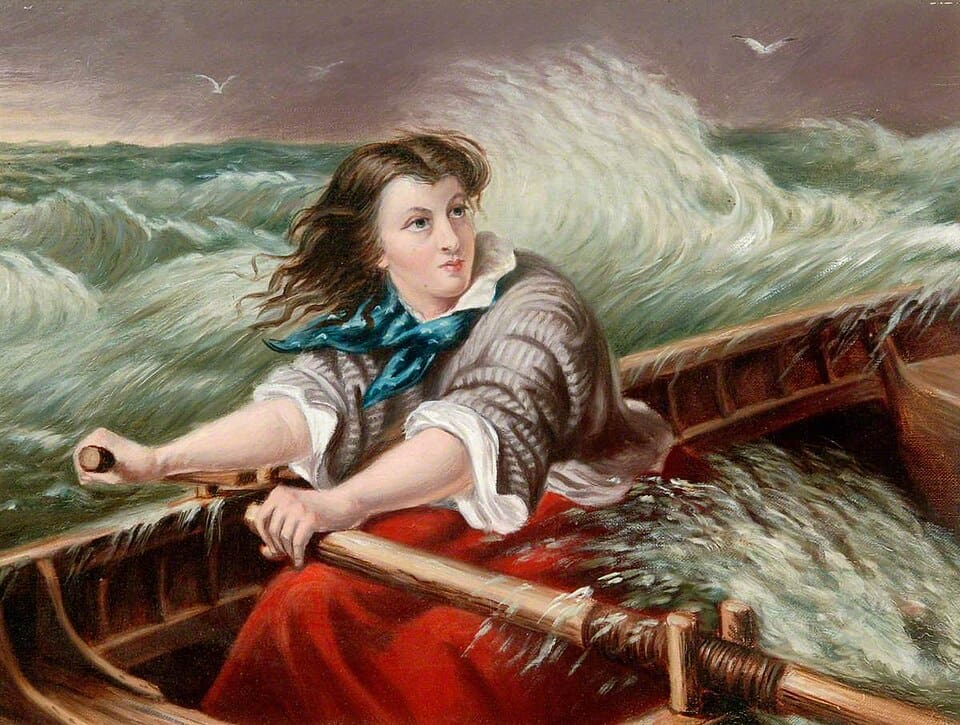
Grace Darling – KQ6 – How should we remember Grace Darling?
This last key question of 6 on the medium-term planning, focuses on her legacy and why we should commemorate her. It introduces pupils to a number of ways in which…
Read More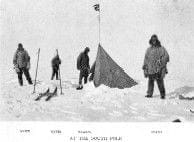
Scott of the Antarctic – KQ5 – Why did he not get to the South Pole first?
In this lesson in the teaching sequence on Scott as a famous person, or as part of a more integrated topic on Cold lands, pupils have to solve a history…
Read More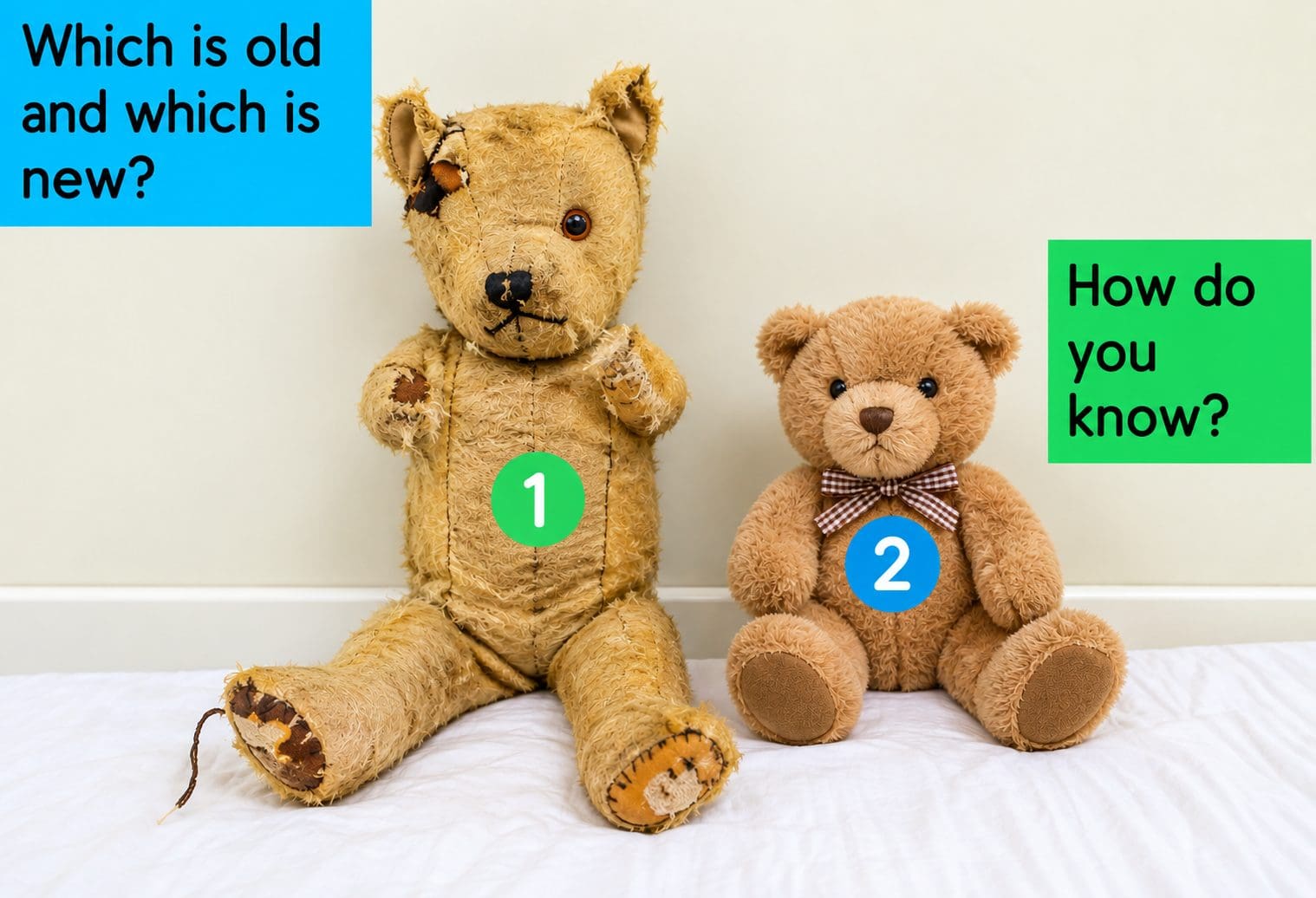
Toys – KQ3 – How can we tell these toys are old?
This smart task complements the existing lesson on the site using ICT . Rather than re-write the whole lesson this is added as an extra task. Using slides 2-5 show…
Read More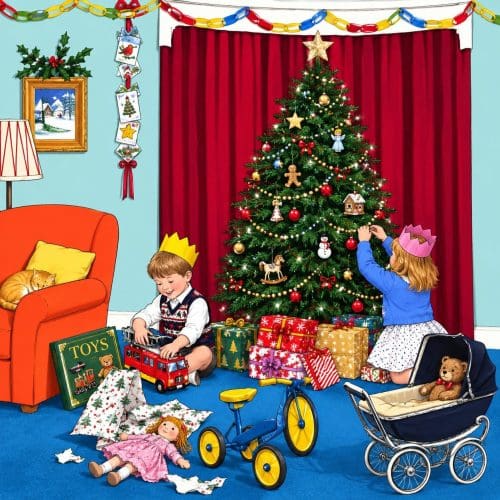
Toys – KQ4 – What sorts of toys did our grandparents play with and how do we know?
Optional question: What toys did our grandparents get as Christmas presents when they were your age? Start with a discussion about how we can begin to investigate what toys were…
Read More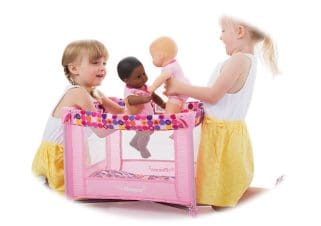
Toys – KQ5 – Who played with these toys in the past? and how can we know?
This is particularly suitable as an extension question for the older/ higher attaining pupils in KS1 if you are teaching this topic to a mixed-age class. Important note: Before starting…
Read More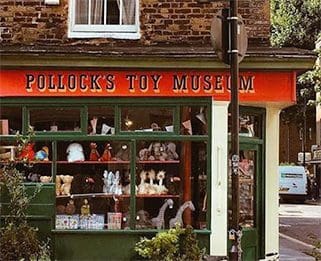
Toys – KQ6 – How can we set up our own toy museum?
This final KS1 lesson on the Toys topic cements children’s understanding of old and new in an interesting way. Activity 1 Use the book Lost in a Toy Museum as…
Read More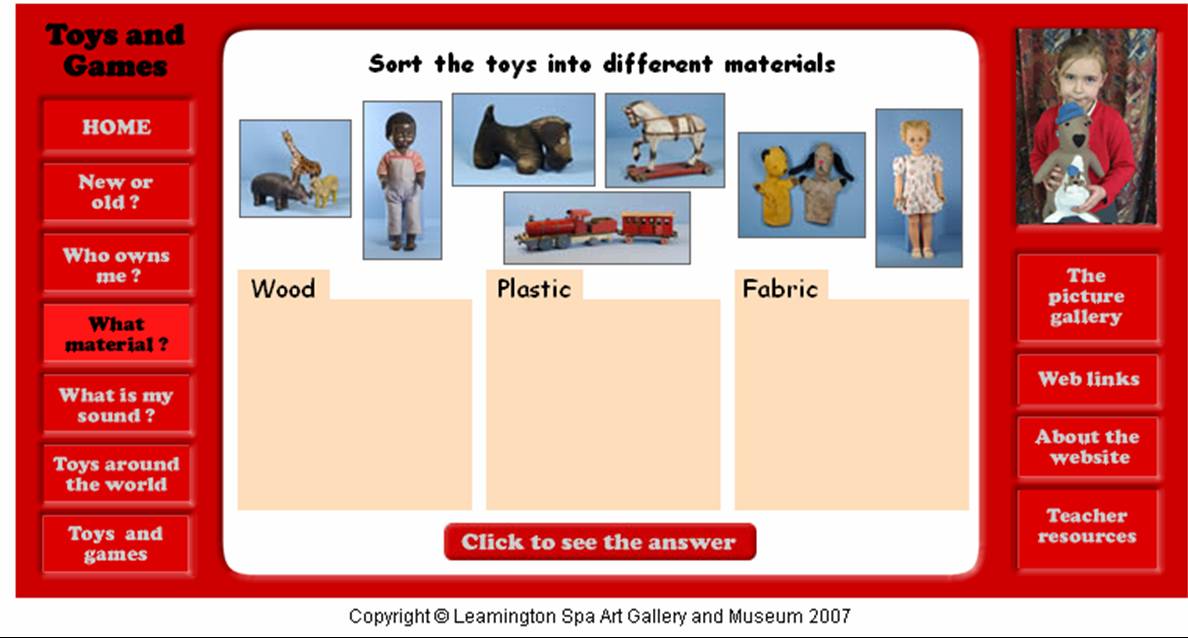
Toys old and new: Sorting and setting
This lesson draws on some excellent resources you may not have come across, produced by museums in Bedfordshire and Warwickshire. Not only do they look at old and new and…
Read More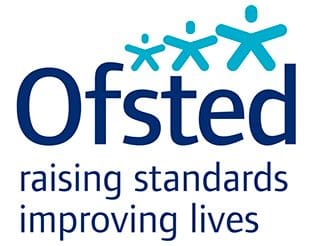
OFSTED’s report on teaching of Toys-outstanding lesson
When the inspector entered, the pupils were sitting on the carpet around the teacher. She was gently exploring whether they understood the concepts ‘old’ and ‘new’and the differences between the…
Read More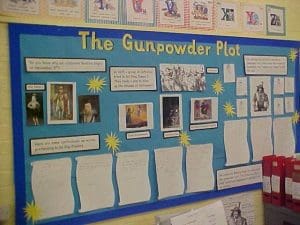
How did Guy Fawkes feel before, during and after the night of the 5th November: pupils do the thinking.
Getting children to think about how Guy Fawkes felt, before, during and after the Gunpowder plot. This simple task, resourced by a short PowerPoint presentation (not provided, but use images…
Read More
10 things history leaders need to know about the new OFSTED 2019 Framework
10 things you need to know about leading history 1. Show you are teaching history You will have to show that you are in fact teaching history (and not just…
Read More
Swapping a Great Fire for a volcanic eruption? Looking for a new famous Event at KS1?
In a recent article in the Historical association’s Primary History Sue Townsend makes a very strong case for introducing the teaching the volcanic eruption at Pompeii at KS1. One had…
Read More
Gunpowder Plot Smart Task: Dear producer
Over the last few sessions, the children have become familiar with the story of the Gunpowder Plot using a range of strategies from ‘A moving story’ and ‘Prove it!’ (see…
Read More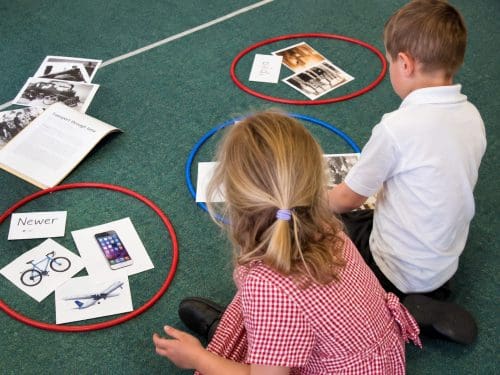
‘Fitness for purpose’ teaching and learning strategies in KS1 history
Throughout the site there are lots of examples of imaginative activities, for both teaching and learning. These need to be placed in context. To a large extent this is what…
Read More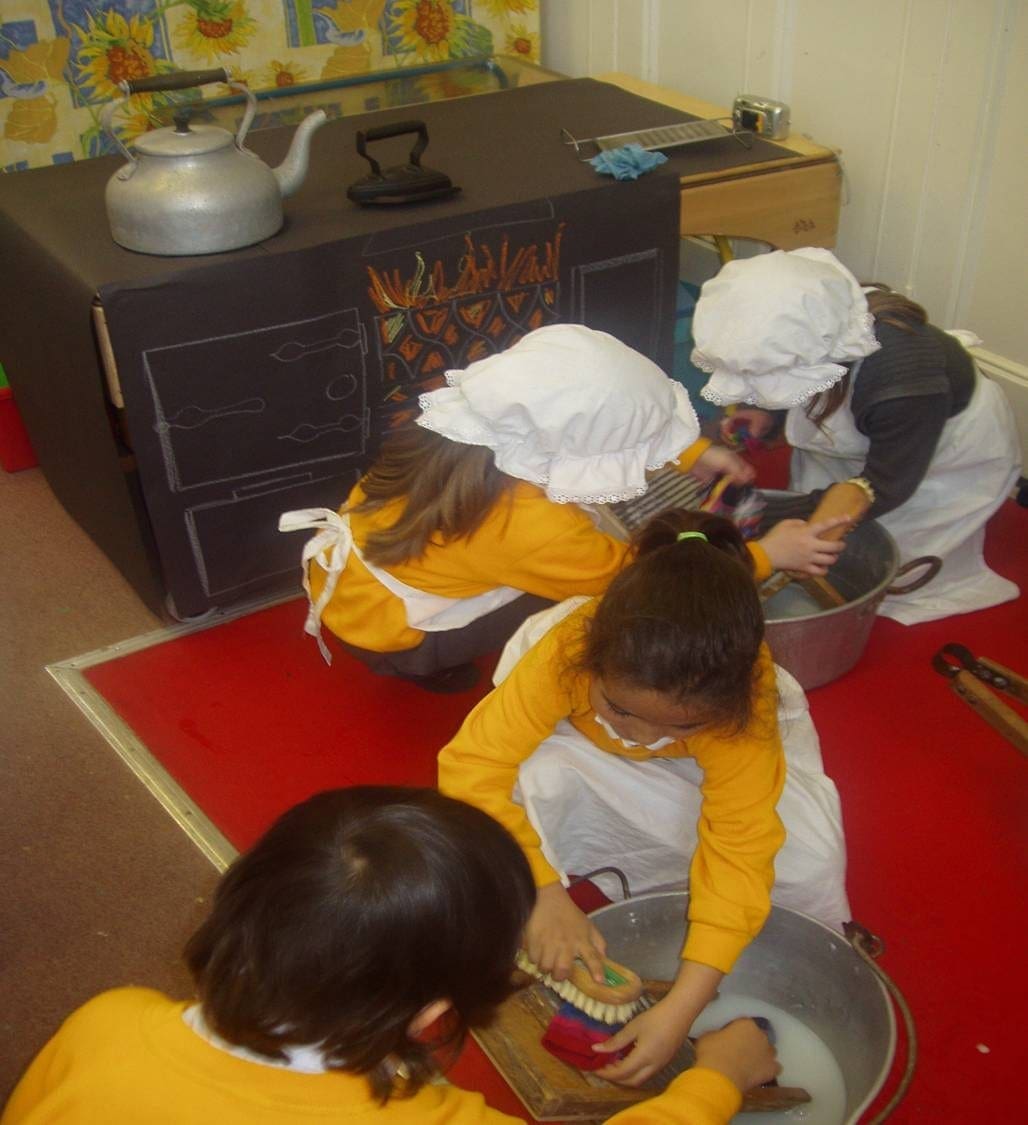
In Living Memory: Key Stage 1
Comparing pupils’ lives with the recent past not only enables pupils to handle more familiar sources and make direct comparisons with their own experiences, it also opens up opportunities for…
Read More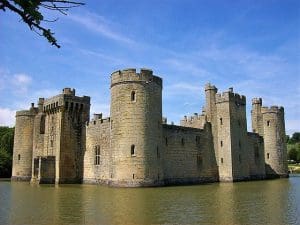
Using role play area when teaching Castles at KS1
There are at least 6 ways you can help young children make sense of the past using your role play area. 1. Colourful Costumes Having a range of costumes enhances…
Read More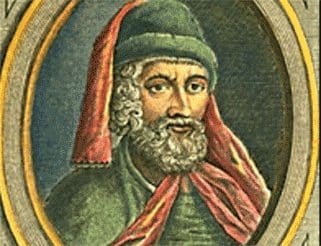
Teaching Caxton and Bell at Key Stage 1
These two famous people are linked by the theme of communication; spreading the word. Tim Berners-Lee founder of the world wide web could also be mentioned to bring the topic…
Read More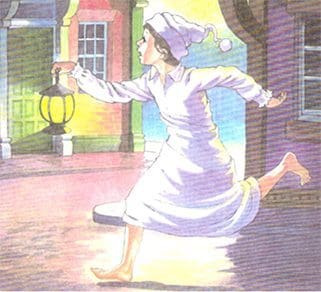
Comparing different nursery rhymes: Wee Willie Winkie
This fun lesson uses images and very simple text as well as artefacts. It provides an essential grounding in an understanding of the concepts of ‘then and now’, and a…
Read More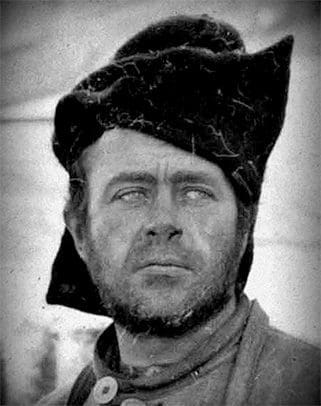
Scott of the Antarctic – KQ6 – How should Scott be remembered today?
Exciting finale to the topic sees pupils analysing different ways in which Scott has been commemorated in the past, coming up with their own 21st century ideas and then completing…
Read More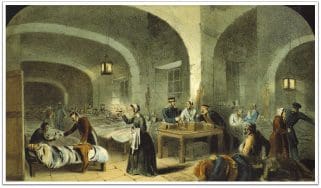
Fighting Fit. What did Florence do to improve the lives of the soldiers when she arrived in the Crimea?
In this lesson children compare the appalling conditions in the hospitals on Florence’s arrival at Scutari. With the help of animated rats!! They list the most significant problems and then…
Read More
Using drama to teach the Gunpowder Plot at KS1: a big hat, a lantern and a sleeping guard
You may choose to use drama for any number of reasons. You might simply want to recap the story. Perhaps your aim is to deepen children’s understanding of the plotters’…
Read More
Using data to improve history teaching and learning at Key Stage 1
Given that there is no subject-specific data on history at KS1 this might seem a strange inclusion on the site. Those of you who feel that there is quite enough…
Read More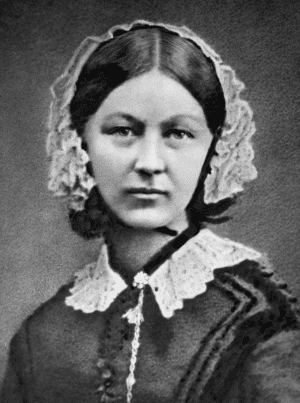
2 fun facts for pupils studying Florence Nightingale at KS1 and 2 key learning points
Just thought these two fun facts might interest your pupils, building on infants’ interest in animals rather than death rates from dysentery! So the two facts are: 1. As a…
Read More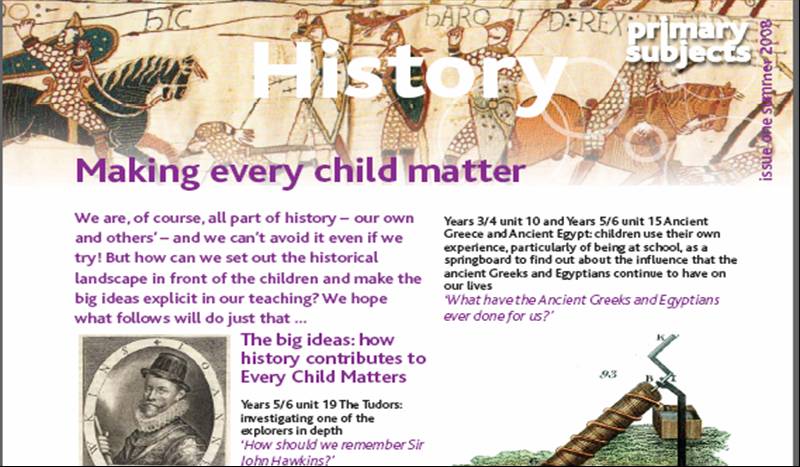
What is History?
12 key ideas young children need to grasp in history, and how they might do it. Most of you reading this will have a good idea of what the nature…
Read More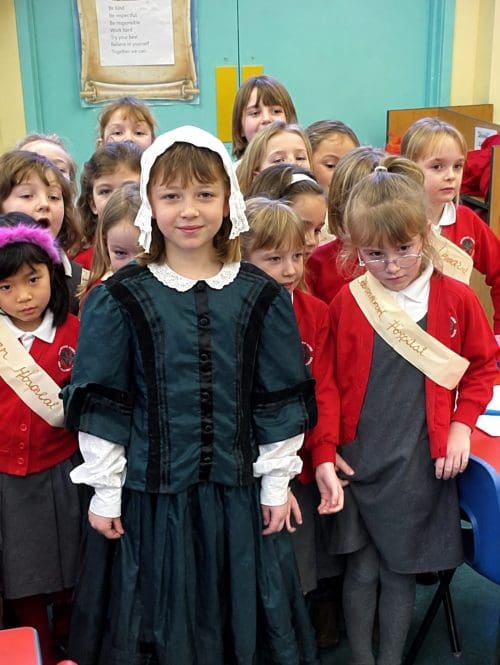
Florence Nightingale and Mary Seacole SMART TASK
Who said it? / Who am I? This simple task encourages children to spot the differences between Florence Nightingale and Mary Seacole. With a large A4 image of Florence on…
Read More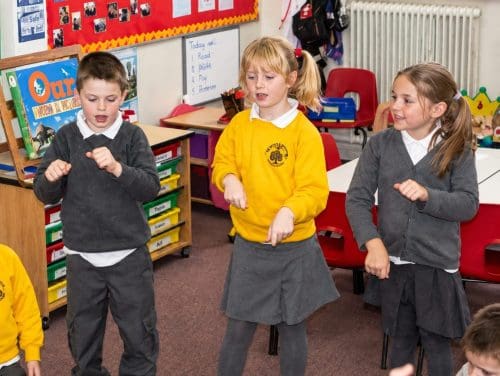
The learning process in history at KS 1
Given that this site specialises in giving practical support to busy teachers and subject leaders, you may be surprised to find a section on the theory of learning. Well, don’t…
Read More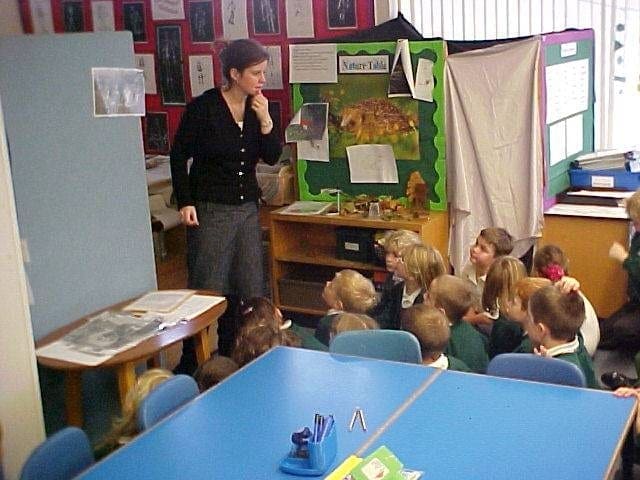
The Gunpowder Plot : a moving story
This is an account of a lesson taught by Sarah Duck, now a Leading Primary Teacher. She combined high quality story telling with drama to ensure that all children in…
Read More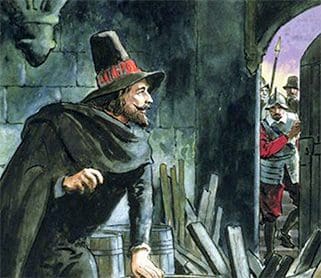
The Gunpowder Plot: Prove it using a gallery of images
This skilfully differentiated lesson places pupils in the role of detectives that have to find evidence to back up statements that have been made about the Gunpowder plot. They are…
Read More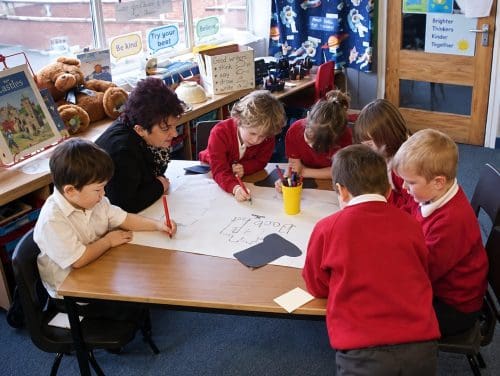
Teaching In Living Memory to Key Stage 1
Within living memory is one of the periods of time KS1 pupils need to study. At first sight it might seem obvious that this is the period best suited to…
Read More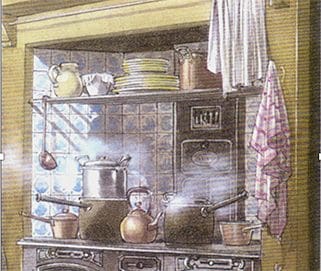
Polly put the kettle on. Learning about then and now, past and present
This is one of a series of 3 separate sessions on different nursery rhymes, building up children’s understanding of the concept of past and present and giving them a vocabulary…
Read MoreWritten by Neil Thompson
All content on Keystage history is written and quality assured by Neil Thompson, a former history teacher, county history adviser and Ofsted inspector with more than 30 years’ experience in history education.