
KS1 History Resources, Lessons & Planning
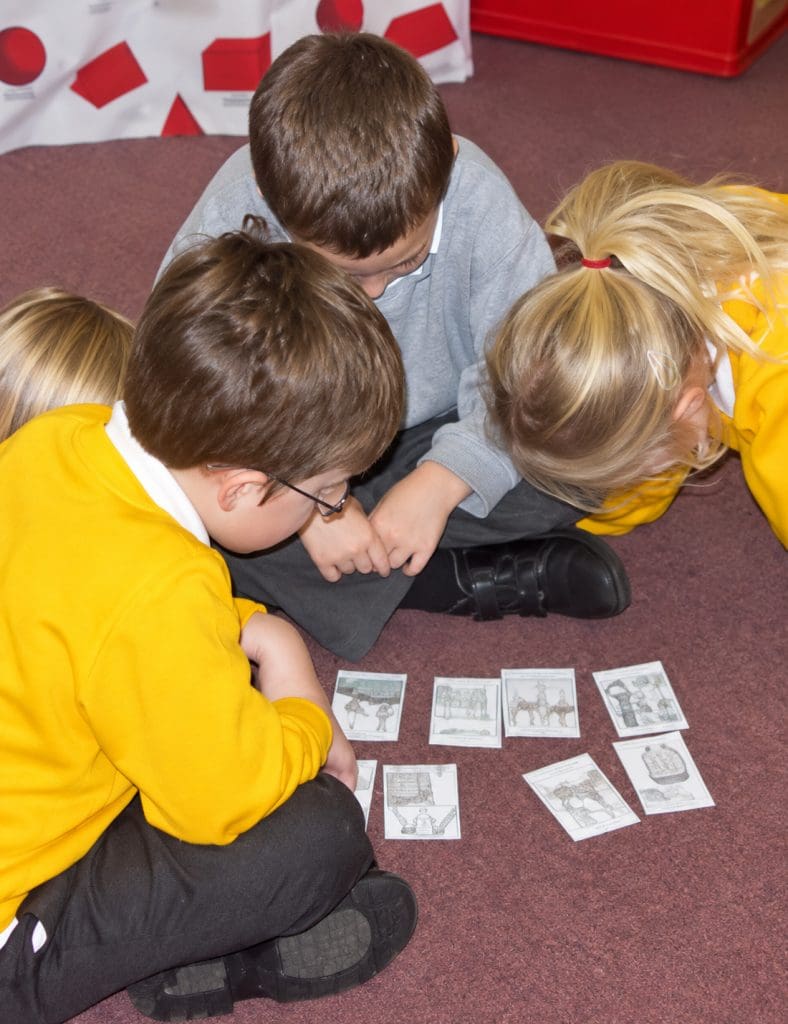
Explore our KS1 History Resources by Topic
Explore expert-created KS1 history resources, lesson plans, medium-term planning, PowerPoints, assessments, quizzes and knowledge organisers for Years 1 and 2.
You will find masses of advice on how to make KS1 history lessons fun and how to help pupils to take their first steps into the fascinating world that is the past. You will be helped to design and plan an exciting primary history curriculum in line with the requirements of the National Curriculum taking into account the difficult areas of assessment and progression in history. You also will be helped to make the most of history’s contribution to the whole curriculum by being shown cutting edge practice in the areas of cross-curricular planning, literacy, thinking skills and creativity.
If it is imaginative ideas for KS1 history lessons you are looking for, then you will definitely want to spend time in the teaching section with its hundred great primary history teaching strategies and in the learning section with its wide range of imaginative approaches and brilliant ideas for products that children will love.As a subject leader, you will find easily accessible advice that is ‘right on the money’. Years of helping hundreds of infant teachers with their history planning, resourcing, and monitoring in history, has enabled me to know exactly what is needed, and which support strategies really work.
| KS1 History Topic | Resources include |
|---|---|
| Amelia Earhart KS1 | Amelia Earhart lessons, flight history, assessment, quiz and significant-person resources |
| Amy Johnson KS1 | Amy Johnson lessons, flight and exploration activities and significant-person enquiries |
| Castles KS1 | Castle history lessons, chronology, change over time and enquiry activities |
| Caxton & Bell KS1 | William Caxton and Alexander Graham Bell lessons, planning and significant-person resources |
| Christopher Columbus KS1 | Columbus lessons, planner, knowledge organiser, assessment and exploration enquiries |
| Florence Nightingale KS1 | Florence Nightingale lessons, historical enquiries, planning, assessment and resources |
| Grace Darling KS1 | Grace Darling lessons, enquiry activities, planner, assessment and resources |
| Great Fire of London KS1 | Great Fire lessons, PowerPoints, scheme of work, assessment, quiz and knowledge organiser |
| Gunpowder Plot & Guy Fawkes KS1 | Guy Fawkes and Gunpowder Plot lessons, historical sources, role play and enquiry activities |
| Louis Braille KS1 | Louis Braille lessons, planner, significant-person enquiries and classroom resources |
| Mary Anning KS1 | Mary Anning lessons, medium-term planning, assessment, quiz and knowledge organiser |
| Mary Seacole KS1 | Mary Seacole lessons, planner, assessment, historical interpretation and resources |
| Moon Landing KS1 | First Moon Landing lessons, planning, enquiries, assessment and classroom resources |
| Nursery Rhymes EYFS and KS1 | Reception history activities using nursery rhymes to explore past and present |
| On the move (transport) EYFS and KS1 | Transport activities using to explore past and present |
| Queens KS1 | Elizabeth I, Queen Victoria and Elizabeth II lessons exploring monarchy and change over time |
| Reception History Topics | EYFS and Reception activities introducing children to past and present, chronology and historical vocabulary |
| Remembrance Day KS1 | Remembrance Day, poppies and First World War history lessons and activities |
| Rosa Parks KS1 | Rosa Parks lessons, Civil Rights history, enquiry activities, assessment and quiz |
| Scott of the Antarctic KS1 | Captain Scott lessons, exploration history, enquiry activities, assessment and quiz |
| Seaside Holidays KS1 | Seaside holidays through time, lesson plans, historical sources, comparison and planning |
| Titanic KS1 | Titanic lessons, historical enquiries, planning, assessment, quiz and knowledge organiser |
| Toys Past & Present EYFS and KS1 | Toys past and present lessons, chronology, historical comparison, planning and assessment |
| Wright Brothers KS1 | Wright Brothers lessons, history of flight, planner, assessment, quiz and resources |

Florence Nightingale – KQ4b – Florence Nightingale’s days are numbered. Brilliant cross-curricular History and Mathematics
Every so often you see an inspiring example of history and numeracy working together seamlessly. Such a lesson was taught by Ros Boulton of South Farnborough Infants. She wanted her…
Read More
Florence Nightingale – KQ5 – How do we know so much about Florence Nightingale when she lived so long ago?
This differentiated core activity is Prove it! Working in pairs as detectives with their own find the clue sheets and clipboards, pupils are given 10 statements about Florence and have…
Read More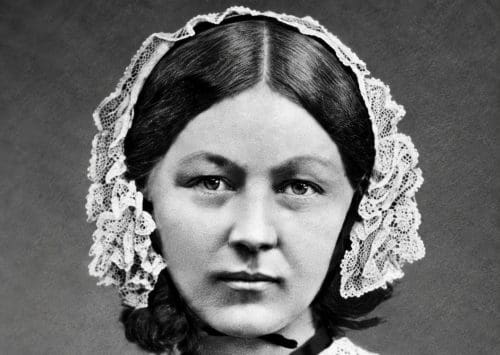
Florence Nightingale – KQ6 – Should Florence Nightingale rather than Mary Seacole have her statue at St.Thomas’ hospital?
NB This lesson overlaps, as you would expect, with a similar lesson on Mary Seacole. It is slightly different in emphasis but if you are studying both women in equal…
Read More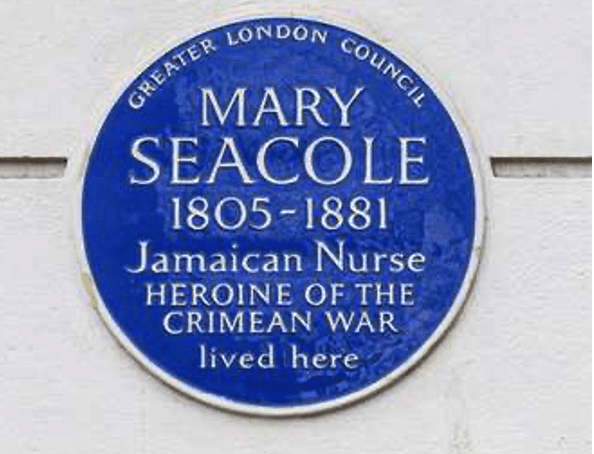
Mary Seacole – KQ1 – How can we work out why Mary Seacole is famous?
This session focuses on working out WHY Mary Seacole is commemorated today 200 years after she was born, and looks at the different ways in which she is remembered. The…
Read More
KS1 Medium Term Planner: Louis Braille
The current history curriculum at KS1 asks schools to provide a little more coherence in their choice of significant people to study, suggesting that they might be linked by theme….
Read More
Mary Seacole – KQ2 – What were the most important events in Mary’s life?
Pupils watch a short film to establish the outlines of the story and then have to sequence a differentiated set of images of the key events of her life. They…
Read More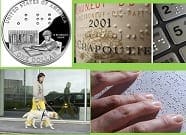
Louis Braille – KQ1 – Why do you think Louis Braille is remembered today: Smart task
This session comprises two activities. Activity 1 – Pupils try to work out why Braille might be famous from visual clues. Discuss how blind people can read today. They handle…
Read More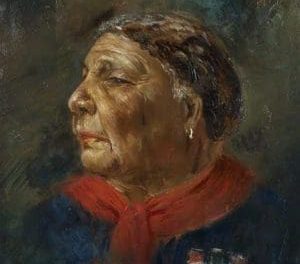
Mary Seacole – KQ3 – What was Mary’s greatest achievement and how do we know?
The focus here is mainly on the evidence for Mary’s achievement. This is important as she was a more-or-less forgotten figure for 200 years. So how do we know that…
Read More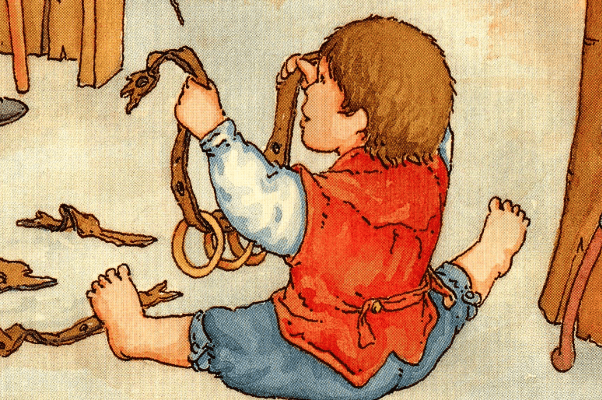
Louis Braille – KQ2 – What were the most important moments, and who were the most significant people, in Louis Braille’s life?
This session comprises 3 key activities, so it is important to devote sufficient time to it. Please note that activities 2 and 3 are particularly challenging and were taught to…
Read More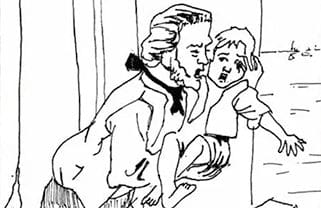
Louis Braille – KQ3 – What motivated Louis? Why did he decide to invent a system of writing for the blind? Smart task
In contrast to the multi-faceted KQ2, these two relatively short activities will not take as long. They focus on Louis’ motivation, principally by means of a diamond-4 prioritising activity. Learning…
Read More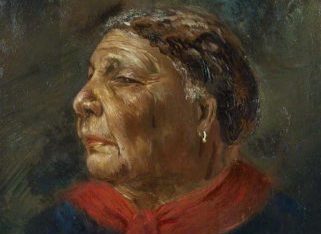
Mary Seacole – KQ4 – How did life change for Mary after the Crimean war?
What happened to Mary Seacole when the Crimean War was over? In this engaging KS1 history lesson, pupils discover that Mary’s return to Britain was far from straightforward. By sequencing…
Read More
Louis Braille – KQ4 – What changes to people’s lives did Louis make?
Step 1 This is a short activity in which pupils are asked to think of any uses of Braille they know of in everyday life, perhaps by showing the start…
Read More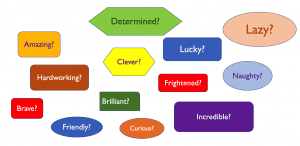
Louis Braille – KQ5 – What makes Braille so special? Smart task
This very short task is preliminary to the major task that follows in KQ6 which explores how we should commemorate Louis’ achievement. It is important that they consider the crucial…
Read More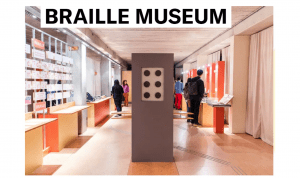
Louis Braille – KQ6 – What should go in our Braille museum? Curator’s dilemma
Set the scene When Louis died no national papers covered the story. 100 years later in 1952 his body was moved to the building called the Pantheon in Paris where,…
Read More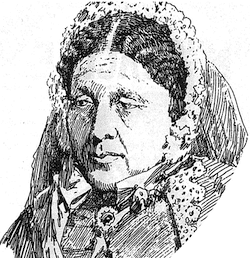
Mary Seacole – KQ5 – What made Mary so special?
What made Mary Seacole such a remarkable person? This short KS1 lesson helps pupils explore her kindness, courage and determination, choosing adjectives to describe her character and supporting their ideas…
Read More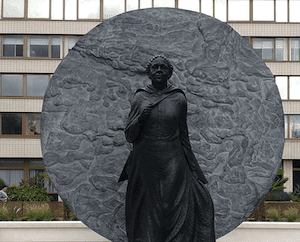
Mary Seacole – KQ6 – Why doesn’t everyone agree that Mary deserves her statue at St. Thomas’ hospital?
This lesson places pupils in the role of Mantle of the Expert. A new monument to Mary Seacole was erected outside St Thomas Hospital in 2016. But there have been…
Read MoreWhat the latest biography of Mary Seacole tells us
In Helen Rappaport’s latest book “In Search of Mary Seacole: Making of a cultural icon”, we are told how Mary’s significance has only truly come to light and been properly…
Read More
Teaching the Gunpowder Plot to Key Stage 1
Ever since the Gunpowder Plot was included in the Programme of Study for Key Stage 1, there have been howls of protest from infant teachers who protest that it is…
Read More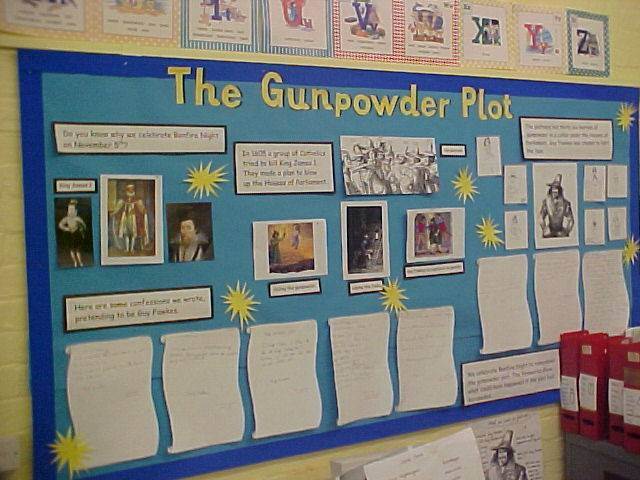
Gunpowder Plot – Key Stage 1
If you are teaching about Bonfire night, Guy Fawkes or the Gunpowder Plot you will find the planning advice and fully resourced Outstanding Lessons provided here of particular value. The…
Read More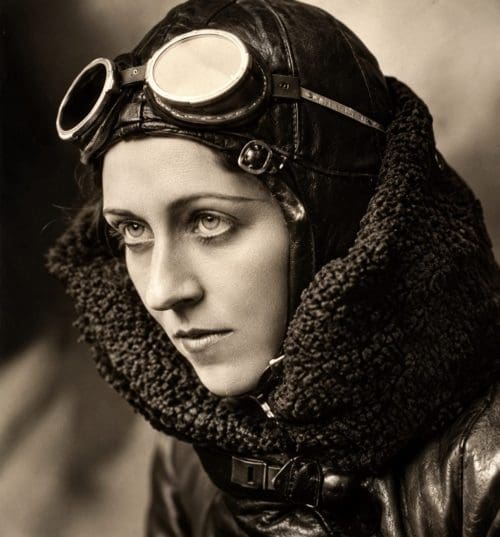
Guidance for teaching Amy Johnson as a Famous Person in Key Stage 1
This study of a significant individual has been designed to form part of a broader topic on a similar theme which is one of the key requirements of the current…
Read MoreKS1 History Planning for Going to the Seaside topic
Medium term planning and planner for Going to the Seaside KS1 This history topic has been designed to be taught in Year 1 Term 3 and the literacy links make…
Read More
Teaching the Wright Brothers as a Famous Person in Key Stage 1
The Wright brothers offers an exciting opportunity for pupils to explore a topic that should engage their interest, provide plenty of opportunities for drama and creative thinking and should fit…
Read More
Wright Brothers – KQ1 – What do you think the Wright brothers did to make them famous?
At the very start of the topic, on the assumption that you haven’t told them what the topic is about!! pupils are shown slide 2 in the form of a…
Read More
Planning for a cross-curricular topic on Going to the Seaside
This advice with associated downloadable resource below is for KS1 teachers planning a cross-curricular topic and focuses on how to integrate history, geography, literacy and ICT. Start the topic with…
Read More
Wright Brothers – KQ2 – How did the Wright brothers manage to be the first to launch a man powered flight?
This enquiry comprises a series of three smart tasks: the first is a sequencing task based on storytelling; the second a ‘living graph the third an optional ‘reconstruction relay drawing…
Read More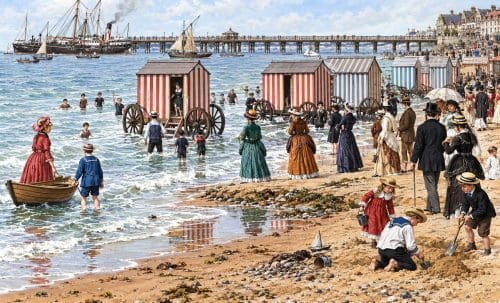
Going to the seaside – KQ1 – What was going to the seaside like 100 years ago? Writing a quality postcard home, avoiding the martini syndrome?
If you have ever asked children in Y1/2 to write a postcard home as if it were from Victorian times you’ll know the problem. After hours of your time teaching…
Read More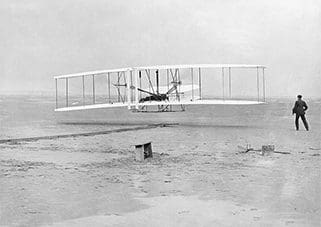
Wright Brothers – KQ3 activity 1 – Why did the Wright brothers succeed where others had failed?
Sarah Duck describes how her class tackled this key question. The task involves children reading small diamond-shaped text cards, to decide which statements are true or false. They then put…
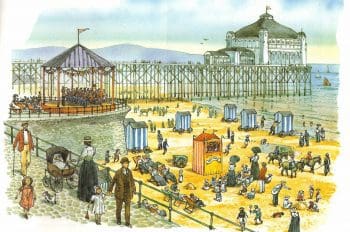
Going to the seaside – KQ2 – What did people do at the seaside 100 years ago?
From mime to movie. SMART TASK This fun activity is carried out by children working on tables of six. Half the class work on one image, the other half on…
Read More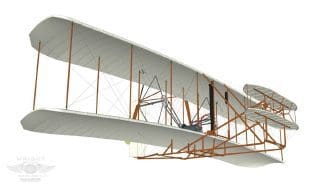
Wright Brothers – KQ3 activity 2 – Spying on the Wright Brothers.
This reconstruction relay – part of KQ3, Why did the Wright Brothers succeed where others had failed – is fantastic fun as well as helping pupils to look carefully at…
Read More
Going to the seaside – KQ3 – How do we know what holidays were like 100 years ago?
Designing an authentic Edwardian Seaside Poster This KS1 history lesson uses the Mantle of the Expert approach to place pupils in role as historical advisers to a film producer. Their…
Read More
Wright Brothers – KQ4 – The Wright Brothers first flight. KS1 Prove it!
How can we possibly know about the Wright Brothers first flight when there’s nobody alive now who saw it? This is a question about evidence, one which makes pupils consider…
Read More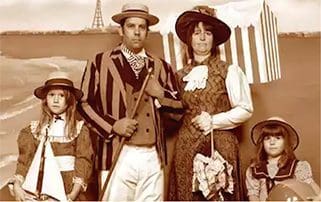
Going to the seaside – KQ4 – Do we go on seaside holidays for the same reason people went 100 years ago?
Children discuss the reasons they might have for going on a seaside holiday NOW and then think of the different reasons why people might have gone 100 years ago. Slides…
Read MoreWright Brothers – KQ4 – one teacher’s alternative approach – Wright brothers: prove to me that it really happened
This lesson was taught by Sarah Duck, Leading Teacher for History, Hampshire LA. She kindly describes for us how the lesson went. “Work had already begun on the Wright Brothers’…
Read More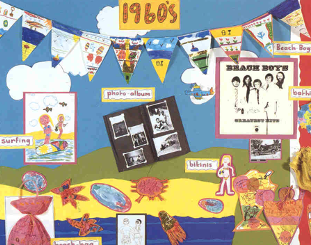
Going to the seaside – KQ5a – How have seaside holidays changed over time?
Can you help Grandma sort these seaside holiday photos? This smart task which forms the first half of this KQ5 enquiry takes a broader look at change in seaside holidays…
Read More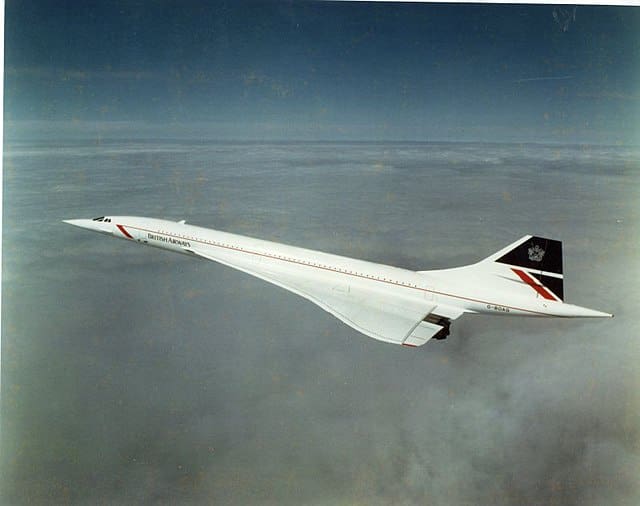
Wright Brothers – KQ5 – How did flight change as a result of the Wright Brothers’ work?
This activity goes beyond simple sequencing of images, which pupils first attempted at the start of the topic, to explaining the nature of the changes that have taken places in…
Read More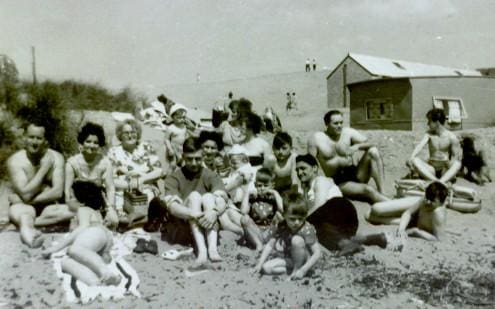
Going to the seaside – KQ5b – How have seaside holidays changed? What our grandparents tell us
This lesson finds children producing a questionnaire, collecting data from grandparents, feeding data into a database and then drawing conclusions. When they then compare their findings with those of another…
Read More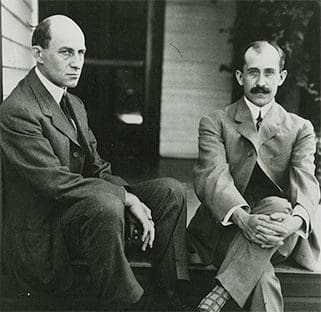
Wright Brothers – KQ6 – How should the Wright brothers be remembered?
Commemorating the Wright brother’s achievements with words young children can understand Pupils have to create a plaque to commemorate the Wright brothers’ achievements to replace the incomprehensible one on the…
Read More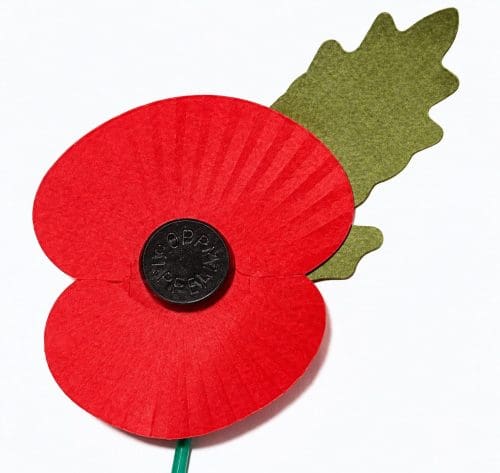
Remembrance Day – When did we start wearing poppies and have we always done so?
More than a century ago, in 1921, paper poppies were first sold to raise money for returned soldiers of the First World War. In postwar society, many veterans struggled to…
Read More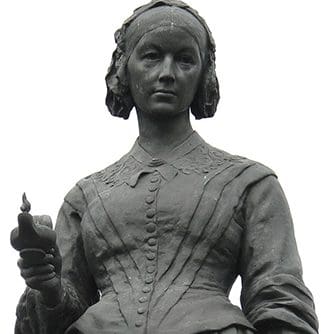
Smart task Florence Nightingale and Mary Seacole: Who said it? / Who am I?
This simple task encourages children to spot the differences between Florence Nightingale and Mary Seacole. With a large A4 image of Florence on one side, and Mary Seacole on the…
Read More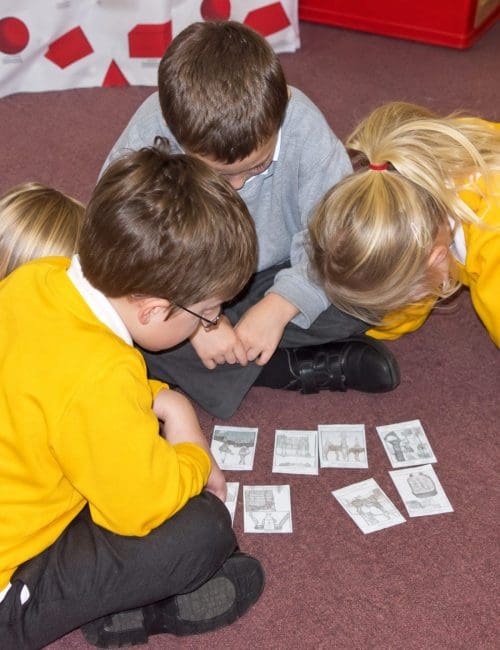
Outstanding Lessons: Key Stage 1
If you have ever searched the internet for inspiration for your history sessions you will know how frustrating it can be. Luckily the answer is at hand. Built up from…
Read More
Teaching Toys to Key Stage 1
Toys is an obvious topic to select for infants. Not only is it appealing , at least initially, it is also one where you can find a good range of…
Read MoreKS1 Medium term planner: Toys through time (Term 1 or 2 of Y1)
This is one of the earliest topics to be taught at EYFS/KS1 following on from Myself. As we know this topic (preferably after Christmas) can engage children’s senses, fire their…
Read More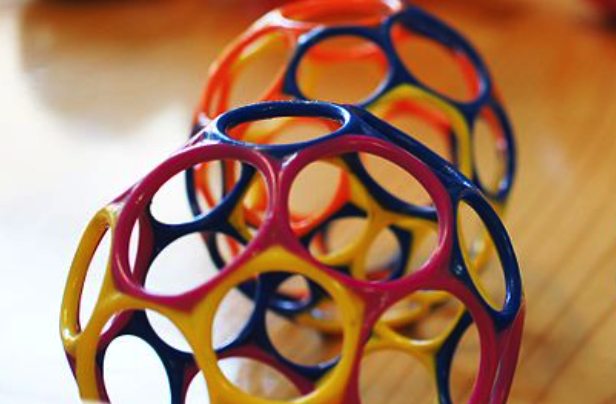
Toys – KQ1 – What are our toys like today?
Because the topic is aimed at children beginning key stage 1, it is a good idea to spend more time covering this key question in order to establish a sound…
Read More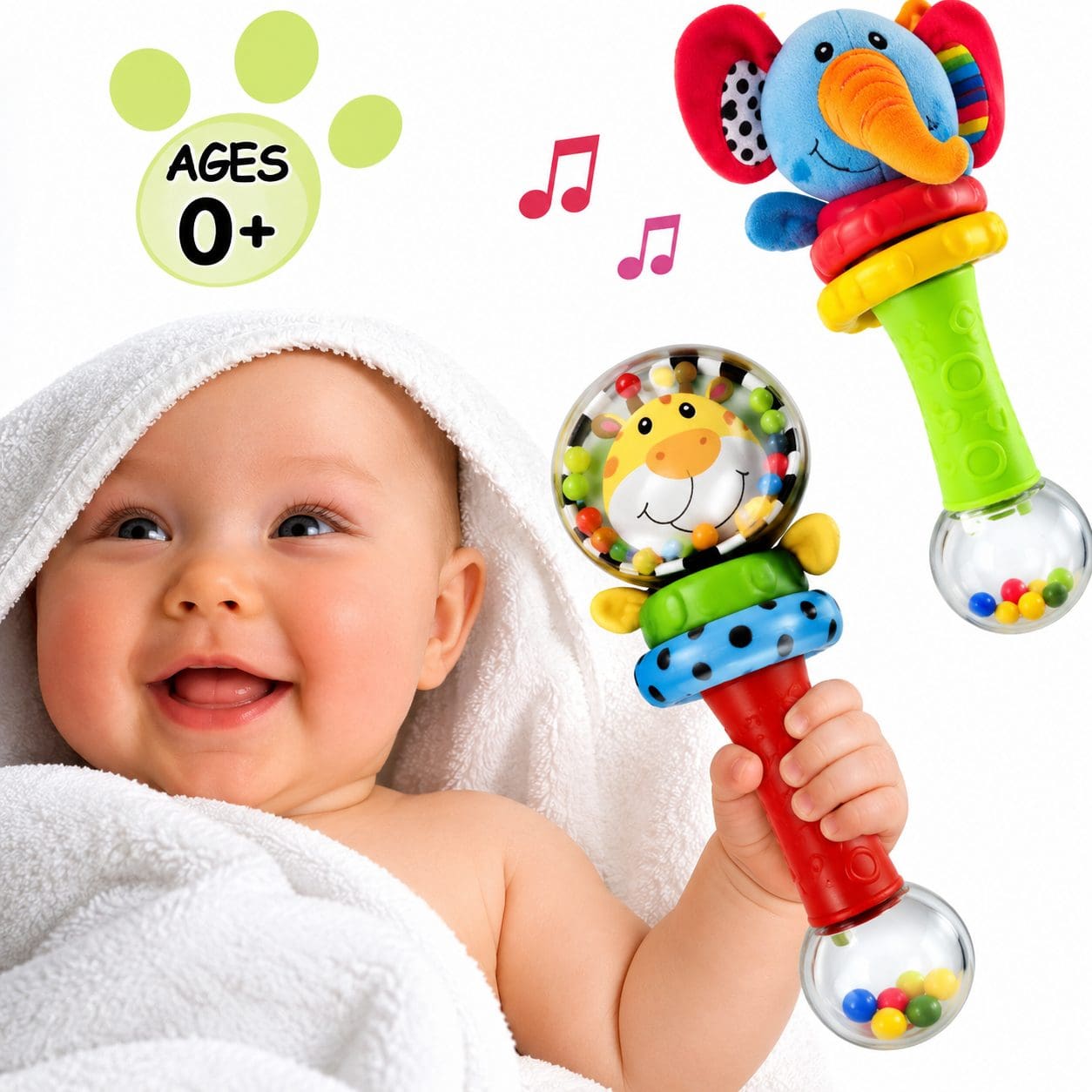
Toys – KQ2 – What are other people’s toys like?
This session comprises two very simple tasks: matching objects to the young children who would usually play with them, followed by a follow-up task, this time on the theme of…
Read MoreAre you teaching the right things about Mary Seacole to your children? 10 things to be sure to teach
Are you teaching the right things about Mary Seacole to your children? 10 things to be sure to teach: 1. Mary was not a nurse as pupils would understand the…
Read MoreKS1 Medium term planner: The sinking of the Titanic Y2
This topic provides an exciting addition to the usual famous events taught at KS1. Not only is there a clear, compelling narrative that pupils can relate to, it also offers…
Read More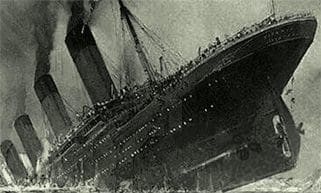
Titanic – KQ1 – Launching the Titanic enquiry, drawing on pupils’ prior knowledge
What do we already know about the Titanic and what can we work out from a picture? This lesson’s activities are designed to release any prior knowledge pupils might have…
Read More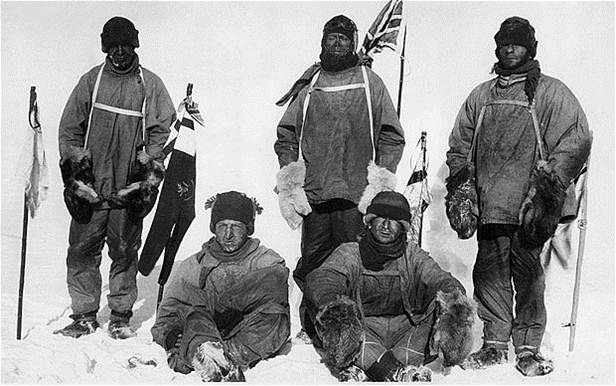
Teaching Scott of the Antarctic to Key Stage 1
Those of you who are thinking that this choice of famous person seems to presage a return to an Our Island Story approach to heroes and derring-do, couldn’t be further from…
Read MoreKS1 Medium Term Planner – Man’s First Moon Landing Y2
The current history curriculum at KS1 asks schools to provide a little more coherence in their choice of famous people to study, suggesting that they might be linked by theme….
Read More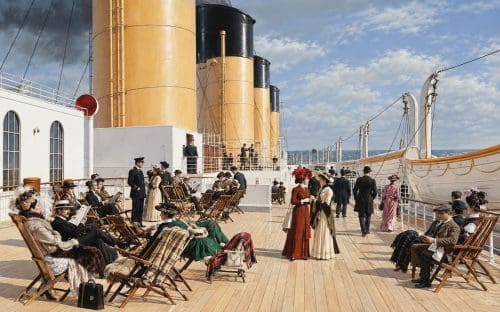
Titanic – KQ2 – What was so special about life on the Titanic?
What was so special about life on board the Titanic? and was it the same for everyone? In this enquiry pupils play Prove it! using a gallery of images to…
Read MoreWritten by Neil Thompson

All content on Keystage history is written and quality assured by Neil Thompson, a former history teacher, county history adviser and Ofsted inspector with more than 30 years’ experience in history education.