
KS2 History Resources, Lessons and Planning
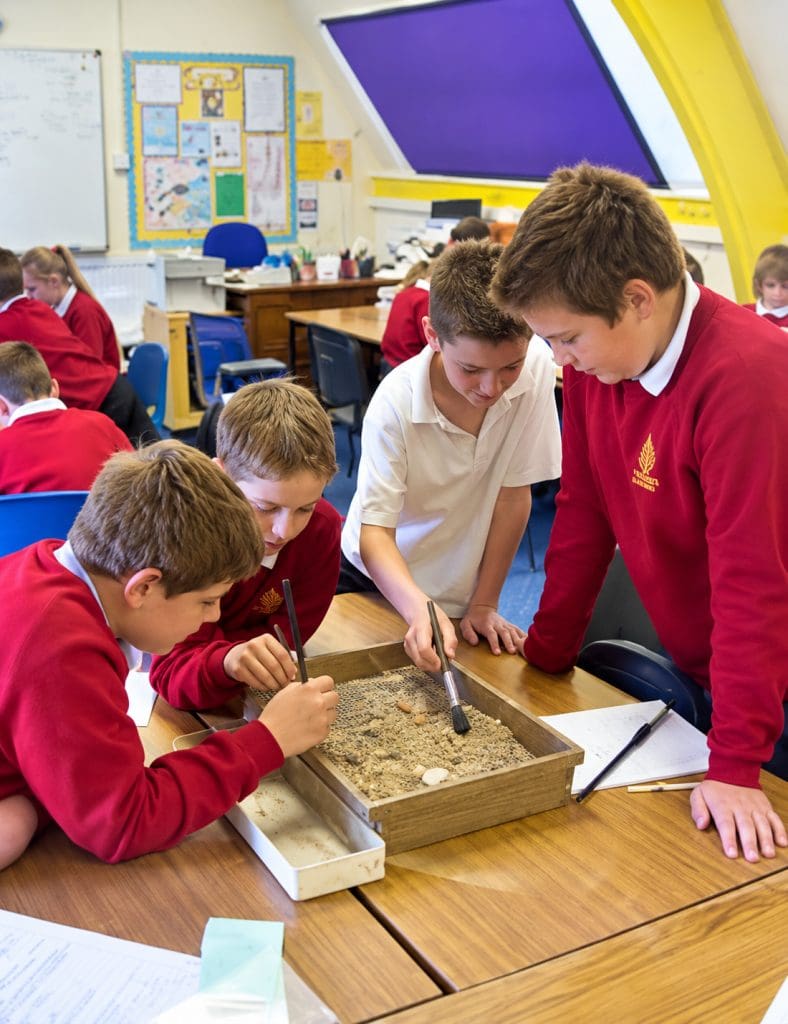 Expert-created KS2 history resources for Years 3–6, including complete lesson plans, PowerPoints, medium-term plans, assessment tasks, quizzes and knowledge organisers.
You will be helped to design and plan an exciting primary history curriculum , taking into account the difficult areas of assessment and progression and mindful of the new focus on curriculum within OFSTED’s framework. You will see how our enquiry-led approach, structured around a limited number of expertly-chosen key questions enables you to blend substantive and disciplinary knowledge. The interplay between the two is essential for great history learning. One without the other is of very limited value in building historical thinking.
It has been a decade since the last major curriculum review. In that time we have seen masses of superb practice which we are sharing with you. There are minor changes, principally around local history and diversity, for the 2028 curriculum which will be published in Spring 2027.
You will be shown which skills and concepts are best developed in which contexts along with examples of key questions that have proved most effective in deepening learning. You also will be helped to make the most of history’s contribution to the whole curriculum by being shown cutting edge practice in the areas of cross-curricular history planning, literacy, thinking skills and creativity.
The site also offers a unique set of detailed lesson plans and resources for about 150 lessons which have been judged as outstanding by OFSTED. These cover all the major topics linked to an outstanding medium-term planner which expertly shows how to combine the most significant content with the development of conceptual understanding.
You will see below that these resources are constantly being added to , thereby ensuring that you have not only the latest and best advise but also the highest quality learning materials for your pupils.
| KS2 History Topic | Resources include |
|---|---|
| Ancient Egypt KS2 | Lesson plans, PowerPoints, scheme of work, assessment, quiz and knowledge organiser |
| Ancient Greece KS2 | Ancient Greece lessons, enquiries, planning, assessment and knowledge organiser |
| Anglo-Saxons KS2 | Anglo-Saxon Britain lessons, enquiries, planning, assessment and resources |
| Benin KS2 | Benin Kingdom lessons, key enquiries, planner, assessment and knowledge organiser |
| Beyond Face Value KS2 | Thematic history enquiries exploring evidence, interpretation and history beyond 1066 |
| Black & British History KS2 | Black British history lessons, historical enquiries, significant individuals and thematic studies |
| Crime & Punishment KS2 | Thematic Crime and Punishment lessons, chronology, change and continuity and enquiry activities |
| Early Islamic Civilisation KS2 | Baghdad and the Golden Age of Islam lessons, planning, assessment and resources |
| Keeping Healthy Through Time KS2 | Thematic health and medicine enquiries exploring change, continuity and developments over time |
| Local History KS2 | Local history study guidance, enquiries, case studies and curriculum planning ideas |
| Maya Civilisation KS2 | Maya civilisation lessons, planner, enquiries, assessment, quiz and resources |
| Romans KS2 | Roman Britain and Roman Empire lessons, planning, PowerPoints, assessment and resources |
| Shang Dynasty KS2 | Shang Dynasty lessons, historical evidence, enquiries and ancient civilisation resources |
| Stone Age to Iron Age KS2 | Prehistoric Britain lessons, scheme of work, assessment, quiz and knowledge organiser |
| Tudor Britain KS2 | Tudor history lessons, enquiry activities, PowerPoints, planning and assessment resources |
| Victorian Britain KS2 | Victorian Britain lessons, source enquiries, planning, PowerPoints and assessment activities |
| Vikings KS2 | Viking Britain lessons, planner, quiz, assessment and knowledge organiser |
| World War Two KS2 | WW2 lessons, Home Front enquiries, propaganda, assessment, planner and knowledge organiser |

A six step approach to history lessons
Step 1: Teacher motivates pupils to want to learn and scopes the enquiry Hooking them in: eg. with a slow reveal Making it real, exciting, a job that needs doing,…
Read More
10 questions which we should ask when planning historical enquiries at KS2
Subscribers only: You must be logged in to view this content in full. Please Login or register
Read More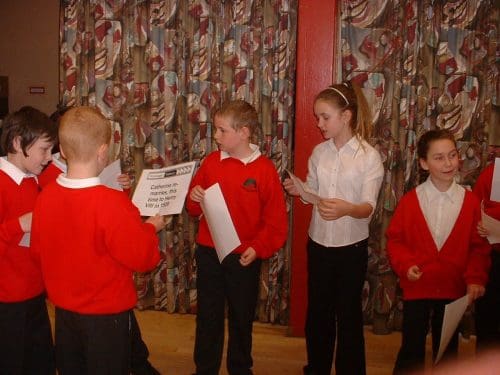
Progression in historical interpretations at Key Stage 2 – How the past is represented and interpreted in different ways, and to give reasons for this
Beginning of Key Stage Children can identify differences between versions of the same event e.g. the video gives a different view to what we have just read e.g. version of…
Read More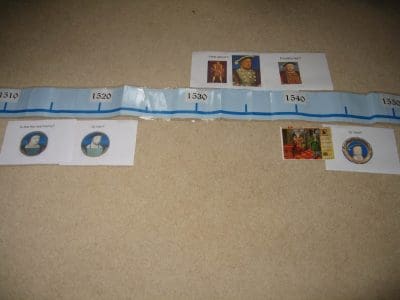
Using timelines in history at Key Stage 2
Timelines in school may be individual timelines or made collaboratively with different groups working on separate theme within a study unit. They may be made of single sheet of paper…
Read More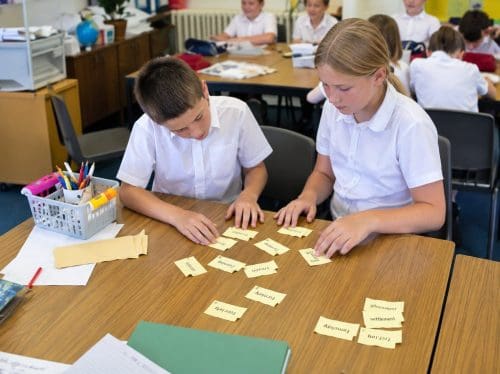
Key ideas in primary history
When we are teaching 11 subjects it is often difficult to catch the essence of each. If we’re not careful we can simply deliver the scheme of work very professionally…
Read More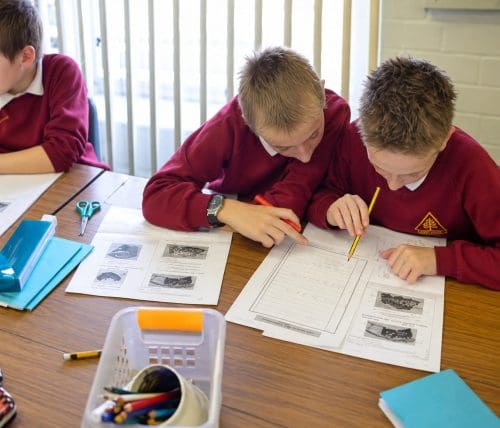
How to assess pupils’ progress in KS2 history. At last the answer that not only works but will work for you too.
Even though we will have had the National Curriculum for history ( albeit in different guises) for nearly 30 years, there hasn’t been a great deal of attention paid to,…
Read More
What is history? – Key stage 2
In the classrooms of some non-specialist Key Stage 2 teachers, history is still presented as the story of the past. It is enjoyed as story full of colour, fascination, action…
Read MoreThe top 10 things you need to know about chronology at KS2, but were afraid to ask.
The top 10 things you need to know about chronology at KS2, but were afraid to ask. 1. There is more to chronology than sequencing While sequencing is fundamentally important,…
Read More
Planner for teaching early Islamic civilization at KS2
For many schools this is new topic and one to be taught with particular sensitivity in the 21st century. Try wherever possible to think of the reasons it is on…
Read More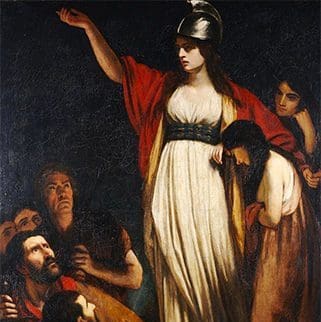
Roman Britain – KQ2 part 2 – Boudicca’s rebellion: from sequencing to living graph
This KS2 lesson on Roman Britain uses the idea of a living graph to see the ups and downs of Boudicca’s life as a way of helping children make sense…
Read More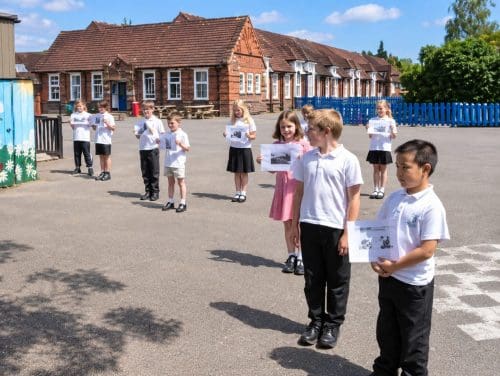
Roman Britain – KQ2 part 2 additional information – Boudica’s rebellion: from sequencing to living graph
The focus on the dramatic story of Boudica is a good opportunity to help pupils to understand why things happen in history, but it also open a window onto the…
Read More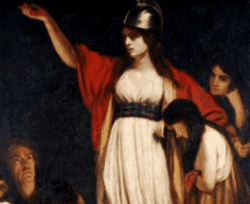
Roman Britain – KQ2 part 2 additional information – Making sure you are teaching Boudica in the right way.
Let’s start with the name. Boudica is the correct spelling, not Boudicea. Boudica means ‘victory’. Her chariots were light, springy, wicker vehicles not the armoured cars with scythes of Victorian…
Read More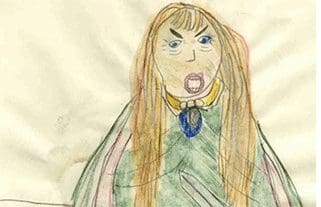
Roman Britain – KQ2 part 3 – What image do we have of Boudica today?
Key Stage 2 pupils find Boudica fascinating so this is a good context for exploring the tricky ideas of historical interpretations. They start by drawing their own picture of her…
Read More
Roman Britain – KQ3 – How were the Romans able to keep control over such a vast empire?
This lesson offers considerable variety in terms of learning approaches. Pupils work in tug-of-war teams to represent the differently weighted factors that help to explain why the Romans were able…
Read More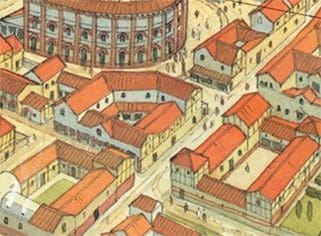
Roman Britain – KQ4 part 1 – Picture this. Creating a group drawing of a Roman town with all key buildings included in the right place
After re-capping the main features of Iron Age settlements, pupils work collaboratively in role as spies trying to find which special buildings the Romans had in their towns. They then…
Read More
Roman Britain – KQ4 part 2 – Is this another Roman villa?
NB. It has been brought to our attention that the link to the video doesn’t work as the video has been taken down by channel 4. As this is an…
Read More
Roman Britain – KQ5 – How can we solve the mystery of why this great 400 year empire suddenly came to an end? Can you make the links?
As this is a brief overview question, without time for much independent research, pupils are introduced to a series of ideas which they have to comprehend, illustrate and then see…
Read More
Roman Britain – KQ6 – What have the Romans ever done for us? Under the cloth
This activity is a good fun way of concluding a study of the Romans. It is called ‘under the cloth’. A local museum has sent a display on the Roman…
Read More10 things history leaders need to know about the new OFSTED 2019 Framework
10 things you need to know about leading history 1. Show you are teaching history You will have to show that you are in fact teaching history (and not just…
Read More
Medium term planning for history at KS2
KS2 History Planning and Plans All compulsory National Curriculum topics now have full medium-term plans rated as outstanding by OFSTED. You will find them as downloadable high-quality files in the resources section…
Read MoreTop 10 tasks for effective history subject leaders
We all need reminding of what our core purposes are from time to time as we get caught up in the daily round of frantic activity that is school life…
Read MoreOutstanding medium-term planner for Vikings
This KS2 Vikings planner, judged outstanding by an OFSTED history inspector now links to all the fully-resourced outstanding lessons and smart tasks making the teaching of this topic completely self-contained….
Read More
Teaching Anglo Saxons & Vikings Outstanding lessons for KS2 history
The National Curriculum has afforded separate status for individual units of work on the Anglo-Saxons and Vikings. Whilst this may be applauded in some circles, it has increased the amount…
Read More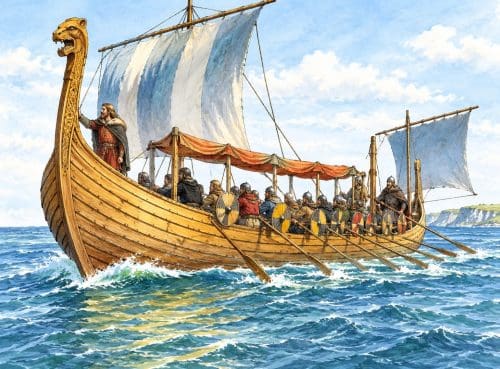
Vikings – KQ1 – What image do we have of the Vikings?
This two part session gives the topic on the Vikings a really active start. Following an introduction to the Vikings in time and place, including a competitive Time Team task,…
Read More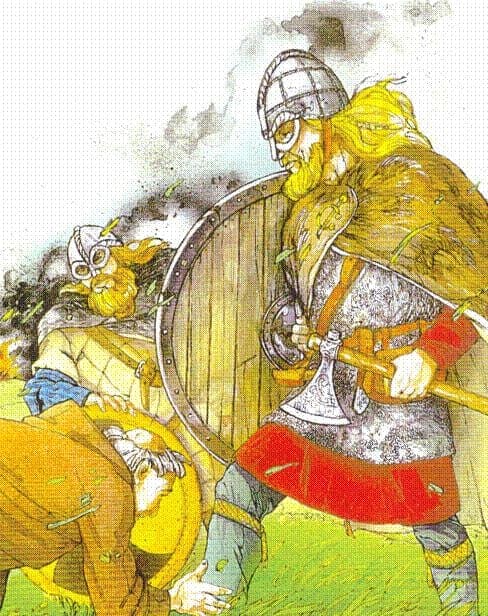
Vikings – KQ2 – Why have the Vikings gained such a bad reputation?
Having explored the nature of the stereotypical Viking image in the first session, it is now time to examine the origins of the image. Pupils compare two very contrasting accounts…
Read More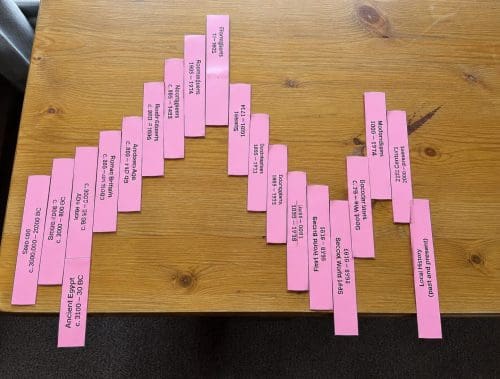
Vikings – KQ3 – How did the Vikings try to take over the country and how close did they get?
This task encapsulates the struggle between the Anglo-Saxons and the Vikings in an engaging way that really makes pupils think about the dynamics of the conflict – rather than ‘one…
Read More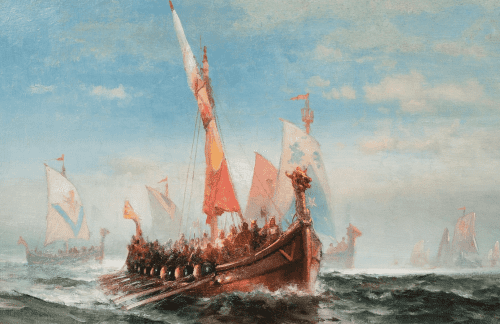
Vikings – KQ3 Additional Resource – How did the Vikings try to take over the country and how close did they get?
This article supports KQ3 The first raids early 790s 1. In 789 three ships from Norway landed in Dorset. The king’s local official went to meet the Vikings in the…
Read More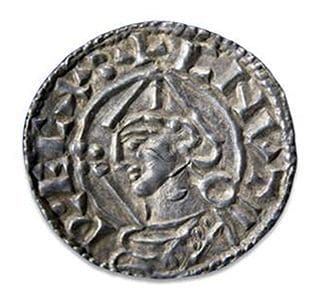
Vikings – KQ4 – How have recent excavations changed our view of the Vikings?
Evidence of Viking occupation Using the Mantle of the Expert approach, pupils help a confused museum curator to write high quality captions for 11 images that MIGHT show Viking occupation…
Read More
Vikings – KQ4 Supporting information – The invisible Vikings?
Key Question 4 address the key issue of evidence to support, or contradict, the idea that the Vikings were simply raiders rather than trader sand settlers. Getting to grips with…
Read More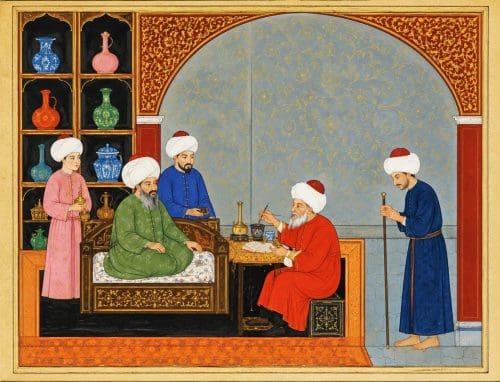
Early Islamic civilization – KQ1 – Why should we study the early Islamic civilizations in school today? SMART TASK
One of the misfortunes of a long history of stereotyping and conflict between Islam and the West is that it has fostered ignorance. Muslims and westerners know too little of…
Read More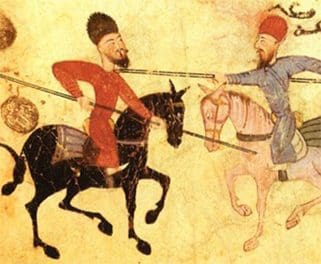
Early Islamic civilization – KQ2 – How was the Islamic civilization able to spread so far, so quickly?
In this demanding but important overview session pupils have to work out from clues the key reasons for Islam’s growth before going on to classify and prioritise them. The session…
Read More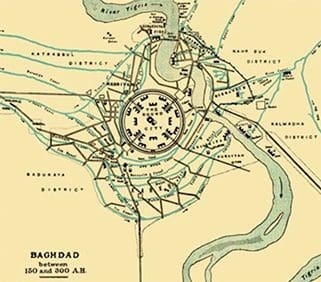
Early Islamic civilization – KQ3 – What can we learn about early Islamic civilization from the way they set up the capital at Baghdad?
Pupils are first asked to design a picture showing what Baghdad would have looked like 1,000 years ago. It is best if they draw it as an aerial view- a…
Read More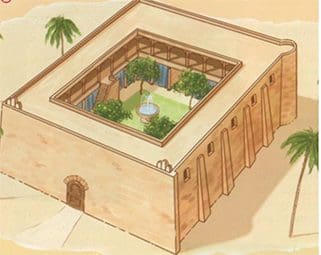
Early Islamic civilization – KQ4 – What was so special about Baghdad in its Golden Age?
In it’s Golden Age, ten times more people lived in Baghdad than in London. So what was so special about it? And how can we possibly know? Pupils work on…
Read More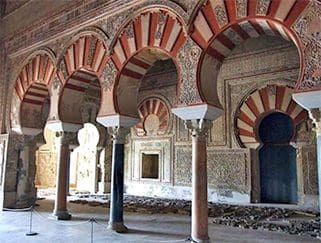
Early Islamic civilization – KQ5 – Just how amazing was daily life for rich people in Islamic cities such as Baghdad and Cordoba?
Pupils in role as rich Saxon visitors to 10C Islamic cities, have to capture the essence of these amazingly sophisticated cities. Towards the end of their journey they have to…
Read More
Mayan civilization – KQ1 – Why do we study the Maya in history at KS2?
Following a brief introduction to locate the Mayan civilization in time and place, stress that we knew very little about this society until recent excavations. Then give over most of…
Read More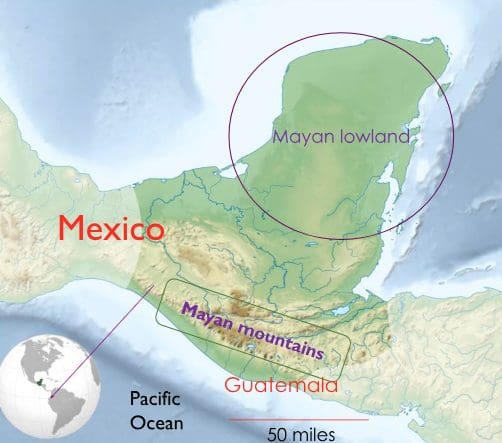
Mayan civilization – KQ2 – Reasons why the Maya empire grew – When so much of the land they lived in was mountain and jungle, how did the Maya manage to become so important?
This is a contentious area and historians cannot be sure so it is a quick overview type lesson. Learning objectives Pupils are able to offer at least 2 valid reasons…
Read More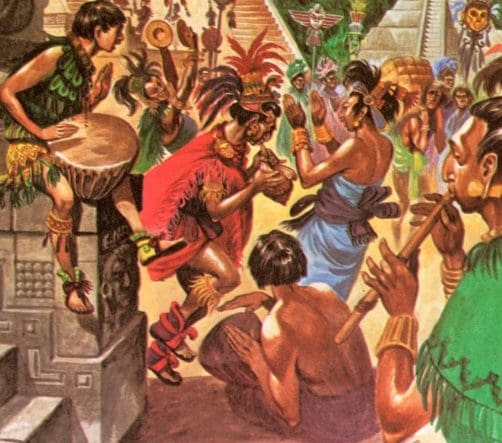
Mayan civilization – KQ3 – What was everyday life in Mayan civilization? How different was it for rich and poor?
Having been introduced to the nature of Mayan society with its clear hierarchy, and having seen various models and artists’ impressions of life in Mayan city states 1,200 years ago,…
Read More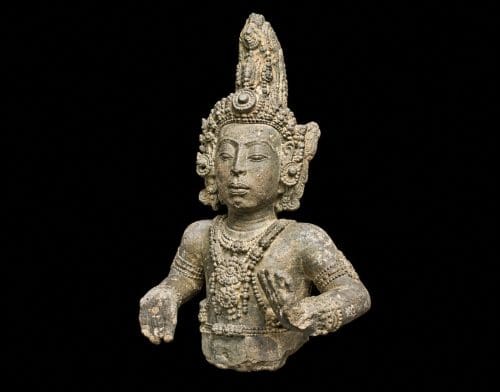
Mayan civilization – KQ4 – How can we possibly know what was life like for the Mayan people 1,000 years ago? SMART TASK
Introduction This multi-faceted enquiry ranges from scene-setting story telling, and making deductions (using the strategies Zones of Inference and Prove it!), through to creative uses of evidence with Call My…
Read More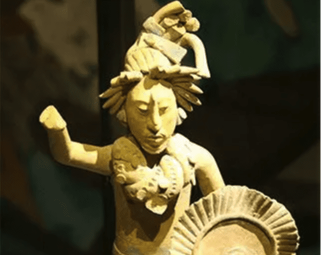
Mayan civilisation – KQ5 – Mayan civilization and human sacrifice
KQ5 If the Maya were so civilized why then did they carry out human sacrifice? SMART TASK Please note that this can be a delicate issue to be treated with…
Read More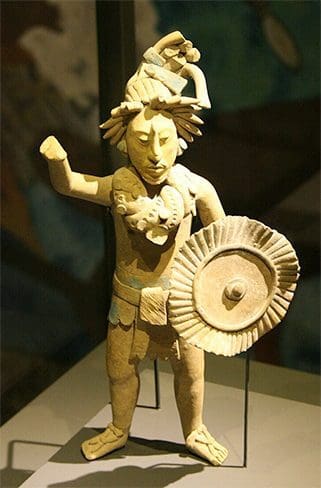
Mayan civilisation – KQ5 additional information – Ideas to support your teaching of the Maya religious practices
How will you present cultural practices that differ from our own, such as human sacrifice, as practised by the Maya? Are you guilty of cultural chauvinism? While human sacrifice appears…
Read More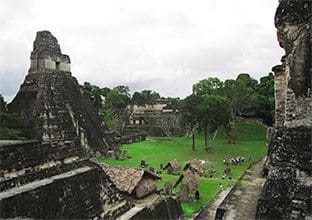
Mayan civilisation – KQ6 – Why did the Mayan empire decline?
How can we solve the riddle of why the Mayan empire ended so quickly? When there are apparently 88 competing theories about the end of the Mayan civilisation where do…
Read More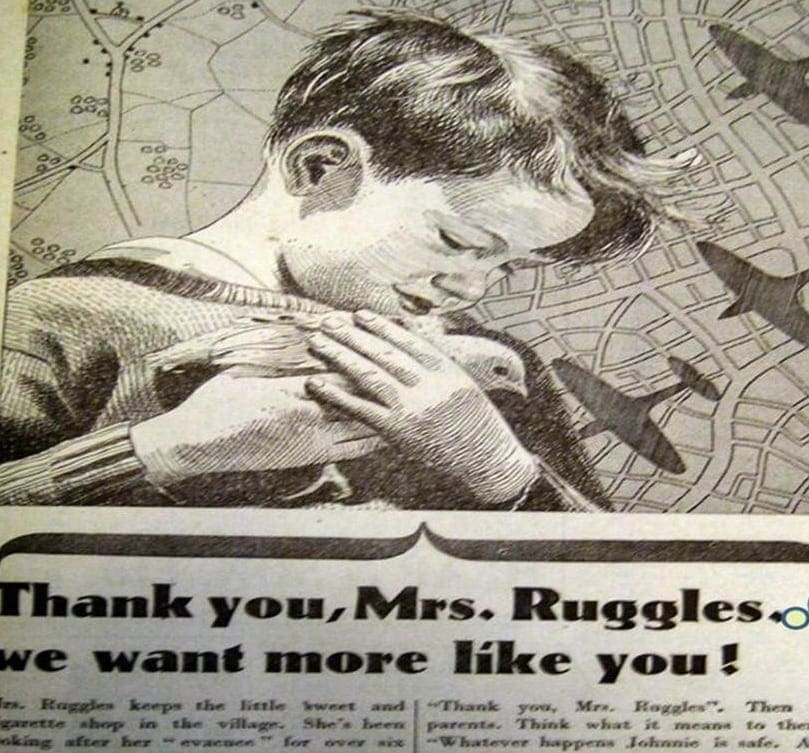
Y6 pupils play film detectives to learn about government propaganda SMART TASK
Using a short Ministry of Information film, which last just 8 minutes and can be accessed online here (please note we do not have copyright for this and you will…
Read MoreMayan civilisation – KQ6 – Additional information – Why did 90% of Maya ‘disappear’ around 900AD?
This article comes largely from the Historical Association website Around 900AD, most of the Maya disappeared from the historical record. Many of their cities were deserted. No more stelae [special…
Read MoreKS2 Islam -Today is anniversary of start of Building of Baghdad
If you are teaching Islamic civilization at KS2 you might like to watch a short podcast which looks at the start of the building of Baghdad on 31 July 762.
Read More
Brief 10 question diagnostic assessment task for KS2 Ancient Egypt
Pupils have to answer 10 fairly open ended questions for which answers are provided reflecting the knowledge and understanding outlined in the medium term planner. Q1 How can we know…
Read MorePlanning for teaching Ancient Greece KS2
The main foci throughout this planner are: Ideas, Beliefs, Attitudes (especially the role of women); Way of life (contrasting Athens with Sparta and grasping that ideas flourished in a society…
Read More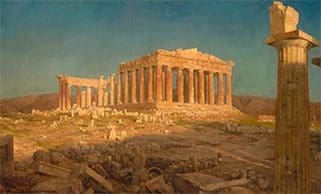
Ancient Greece – KQ1 Part 1 – How can we possibly know so much about the Ancient Greeks who lived over 2,500 years ago?
Any study of ancient Greek society must begin with an appreciation of the physical features of Greece. Landform and climate do not explain the vast and varied achievements of the…
Read More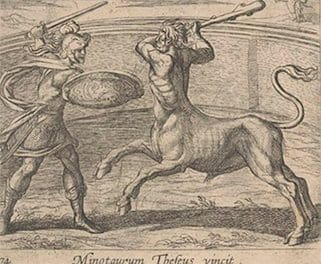
Ancient Greece – KQ1 Part 2 – Theseus and the Minotaur: Is there any evidence for the legend?
This KS2 smart task places pupils in the role of detectives trying to prove that the legend of Theseus and the Minotaur may actually have been been a fact. First…
Read MoreAncient Greece – KQ1 Part 2 – Background information
This short article provides some background information to support your teaching of Key Question 1 Part 2. Set the lesson in a chronological framework. It is probably worth chunking up…
Read More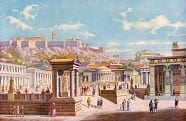
Ancient Greece – KQ2 Part 1 – What can we work out about everyday life in Ancient Athens?
There are three distinct parts to Key Question 2 but each centrally based around the need for pupils to use evidence of different forms. The introductory PowerPoint shows 4 contrasting…
Read MoreWritten by Neil Thompson

All content on Keystage history is written and quality assured by Neil Thompson, a former history teacher, county history adviser and Ofsted inspector with more than 30 years’ experience in history education.