
KS2 History Resources, Lessons and Planning
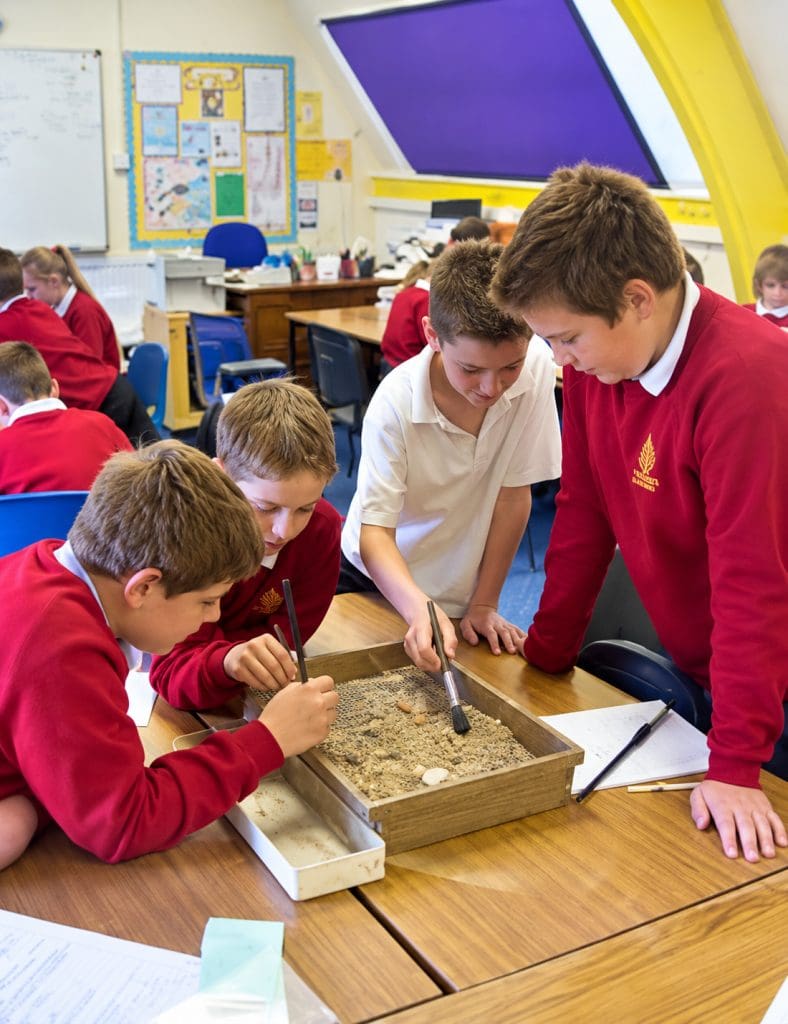 Expert-created KS2 history resources for Years 3–6, including complete lesson plans, PowerPoints, medium-term plans, assessment tasks, quizzes and knowledge organisers.
You will be helped to design and plan an exciting primary history curriculum , taking into account the difficult areas of assessment and progression and mindful of the new focus on curriculum within OFSTED’s framework. You will see how our enquiry-led approach, structured around a limited number of expertly-chosen key questions enables you to blend substantive and disciplinary knowledge. The interplay between the two is essential for great history learning. One without the other is of very limited value in building historical thinking.
It has been a decade since the last major curriculum review. In that time we have seen masses of superb practice which we are sharing with you. There are minor changes, principally around local history and diversity, for the 2028 curriculum which will be published in Spring 2027.
You will be shown which skills and concepts are best developed in which contexts along with examples of key questions that have proved most effective in deepening learning. You also will be helped to make the most of history’s contribution to the whole curriculum by being shown cutting edge practice in the areas of cross-curricular history planning, literacy, thinking skills and creativity.
The site also offers a unique set of detailed lesson plans and resources for about 150 lessons which have been judged as outstanding by OFSTED. These cover all the major topics linked to an outstanding medium-term planner which expertly shows how to combine the most significant content with the development of conceptual understanding.
You will see below that these resources are constantly being added to , thereby ensuring that you have not only the latest and best advise but also the highest quality learning materials for your pupils.
| KS2 History Topic | Resources include |
|---|---|
| Ancient Egypt KS2 | Lesson plans, PowerPoints, scheme of work, assessment, quiz and knowledge organiser |
| Ancient Greece KS2 | Ancient Greece lessons, enquiries, planning, assessment and knowledge organiser |
| Anglo-Saxons KS2 | Anglo-Saxon Britain lessons, enquiries, planning, assessment and resources |
| Benin KS2 | Benin Kingdom lessons, key enquiries, planner, assessment and knowledge organiser |
| Beyond Face Value KS2 | Thematic history enquiries exploring evidence, interpretation and history beyond 1066 |
| Black & British History KS2 | Black British history lessons, historical enquiries, significant individuals and thematic studies |
| Crime & Punishment KS2 | Thematic Crime and Punishment lessons, chronology, change and continuity and enquiry activities |
| Early Islamic Civilisation KS2 | Baghdad and the Golden Age of Islam lessons, planning, assessment and resources |
| Keeping Healthy Through Time KS2 | Thematic health and medicine enquiries exploring change, continuity and developments over time |
| Local History KS2 | Local history study guidance, enquiries, case studies and curriculum planning ideas |
| Maya Civilisation KS2 | Maya civilisation lessons, planner, enquiries, assessment, quiz and resources |
| Romans KS2 | Roman Britain and Roman Empire lessons, planning, PowerPoints, assessment and resources |
| Shang Dynasty KS2 | Shang Dynasty lessons, historical evidence, enquiries and ancient civilisation resources |
| Stone Age to Iron Age KS2 | Prehistoric Britain lessons, scheme of work, assessment, quiz and knowledge organiser |
| Tudor Britain KS2 | Tudor history lessons, enquiry activities, PowerPoints, planning and assessment resources |
| Victorian Britain KS2 | Victorian Britain lessons, source enquiries, planning, PowerPoints and assessment activities |
| Vikings KS2 | Viking Britain lessons, planner, quiz, assessment and knowledge organiser |
| World War Two KS2 | WW2 lessons, Home Front enquiries, propaganda, assessment, planner and knowledge organiser |
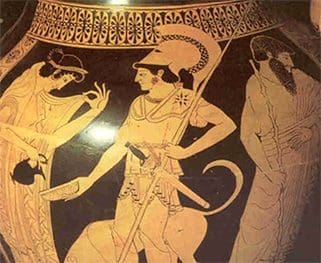
Ancient Greece – KQ2 Part 2 – Ancient Greek vases: the answer lies on the pot
This KS2 history lesson, in which the decoration of a Greek pot is slowly revealed, features two cracking activities designed to set pupils thinking deeply, laterally and creatively. It is…
Read More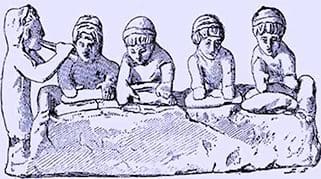
Ancient Greece – KQ2 Part 3 – What was life like for women in Ancient Greece?
This simple lesson on life for women in Ancient Greece, based around a PowerPoint presentation, makes an excellent contribution to literacy and also makes pupils aware of the nature of…
Read More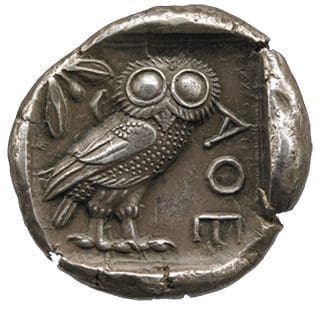
Ancient Greece – KQ3 Part 1 – Why was Athens able to be so strong in the 5th and 6th century BC?
As well as recapping Athens’ natural advantages (coastline to trade by sea, expand into colonies and capture slaves) and their natural resources (silver mines) pupils focus on the significance of…
Read More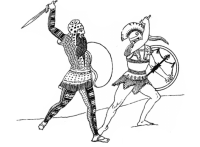
Ancient Greece – KQ3 Part 2 – The Battle of Marathon. A history mystery
This lesson on the Battle of Marathon makes a major contribution to pupils’ thinking skills. They are presented with a paradox. How could the David of Athens beat the Goliath…
Read More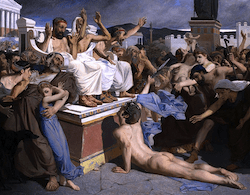
Ancient Greece – KQ3 Part 3 – comparing six contrasting interpretations of the original Marathon run
Interesting session comparing six contrasting interpretations of the original Marathon run, followed by analysis of which to believe and understanding of why we have so many versions. Introduce with slide…
Read MoreAncient Greece – KQ3 Part 3 – Additional Information – 10 Things Your Pupils Need To Know About Pheidippides ’Marathon’ Run
1. Herodotus makes no mention of the run from Marathon to Athens The principal source for the battle of Marathon is the Greek historian Herodotus. He makes no mention of…
Read More
Ancient Greece – KQ3 Part 4 – Consequences of the battle of Marathon: Bells and whistles – Smart task
Really fun lesson called bells and whistles in which team have to make the appropriate sound depending on whether the consequence mentioned on the PowerPoint referred to Athens or Persia….
Read More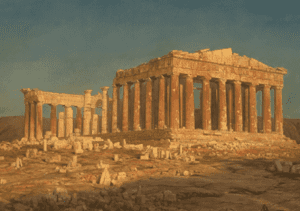
Ancient Greece – KQ4 Part 1 – role play on building the Parthenon
This full lesson is a role-play activity looking at Greek democracy in the context of the rebuilding of the Parthenon. It starts with a link to the building of the…
Read More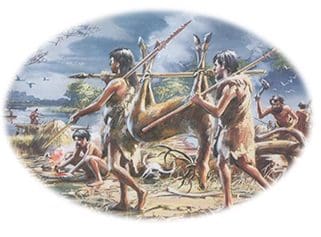
Top Tips for teaching….Stone Age to Iron Age
Stone Age to Iron Age The British Isles has been populated by humans for 750.000 years but only became an island when the ice sheets melted about 8,000 years ago….
Read More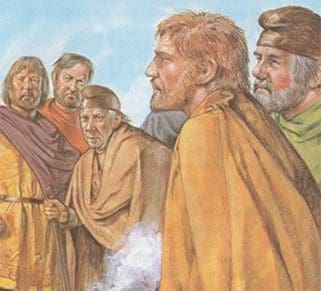
What have the Anglo-Saxons ever done for us? Some KS2 answers
If you asked Michael Wood what the Anglo-Saxons ever did for us he would give a very full and erudite answer, some of which would be beyond KS2 pupils. But…
Read More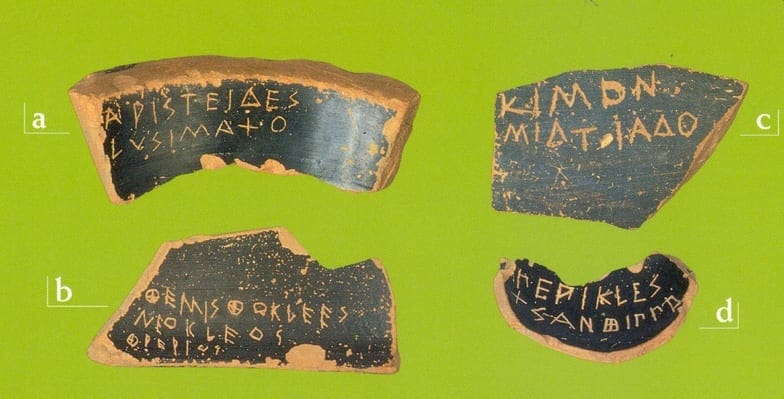
Ancient Greece – KQ4 Part 2 – Making Greek democracy come to life – a ‘smashing’ lesson
This is a really fun, practical lesson involving smashed pottery, writing in Ancient Greek through black wax and deciphering each other’s writing . Pupils actually decipher the names of people…
Read More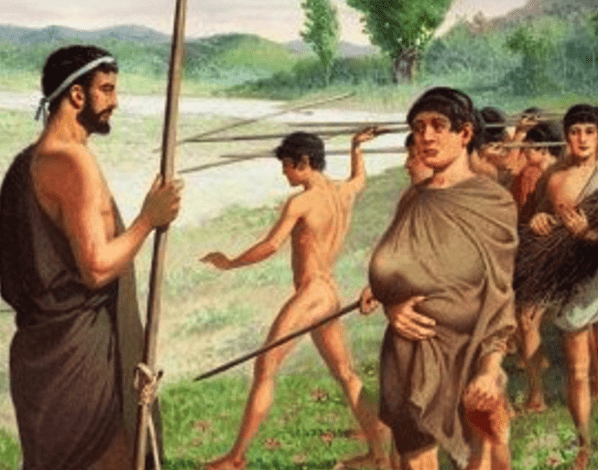
Ancient Greece – KQ4 Part 3 – Would you have preferred to live in Athens or Sparta? Comparing life in Athens and Sparta: a short smart task
One way of bringing home to pupils what was so special about life in Ancient Athens is to compare it with life in Sparta. Also one of the strongest city-states,…
Read MoreAncient Greece – KQ4 Part 2 Additional information – Ancient Greek democracy. Or what links Red painted rope, an idiot ,and piloting the ship.
This article supports the fully resourced outstanding lesson on democracy that can be found here Democracy is made from two words: Demos means people, Kratos mean power Interesting fact The…
Read More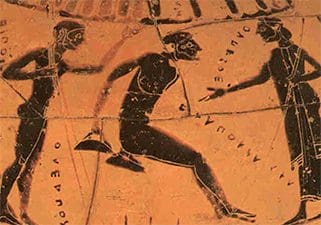
Ancient Greece – KQ5 Part 1 – What can we tell about the Ancient Greeks from a study of their Olympics?
We thought we would offer you a range of different cameos showing how the history of the Olympics could be imaginatively integrated into your current teaching. The teaching activities below…
Read More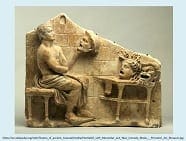
Ancient Greece – KQ5 Part 2 – What can we tell about the Ancient Greeks from their interest in the theatre?
This key question is divided into two distinct parts, starting with Part 1 – the Olympics. This has its own outstanding fully-resourced series of tasks which can be found on…
Read More
Ancient Greece – KQ6 Part 1 – Under the Cloth: sorting the muddled collection. Is it all Greek to you?
Step 1 To introduce the notion of the Greeks having a major influence on our lives today use the activity called Under the cloth. Simply place copies of the pictures…
Read More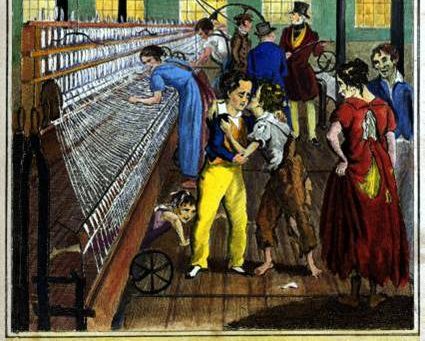
Keeping up-to-date with your teaching of Victorian Britain at KS2

We often talk to children about the benefits that brought so many people into industrial towns in the first half of the nineteenth century. But we probably need to stress…
Read More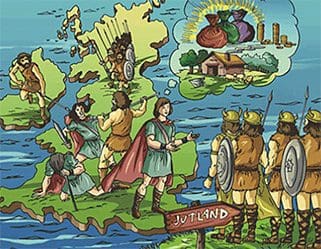
Push or Pull? What were the real reasons why the Saxons invaded? SMART TASK KS2
A fun thinking skills activity in which pupils infer from visual clues before moving on to analyse a range of influence cards and evaluate a video before coming up with…
Read More
Expert advice on local history at KS1 and KS2 by OFSTED lead inspector
Ex-subject lead for history at OFSTED has recently written this very helpful booklet for English Heritage. A great place to start if you are looking for inspiration for your local history…
Read More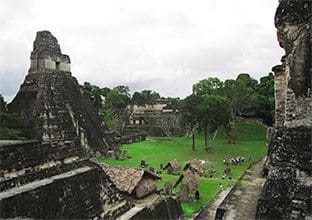
Guidance Non Western Civilisations: Teaching Islam/Maya/Benin
This new topic is perhaps one of the most demanding in the Key Stage 2 curriculum. Admittedly Benin and Maya civilizations have appeared before in earlier manifestations of the history…
Read More
Ancient Greece – KQ6 Part 2 – Short KS2 task on the Ancient Greek legacy: language
This is a fun activity looking at the contribution the Ancient Greeks have made to our language. Great for literacy. Pupils are given two different stories of 10 year-old children…
Read More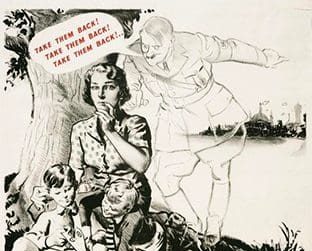
Teaching Primary History: Life in Britain 1930-1945 at Key Stage 2
Inexplicably axed by Gove from the 2014 curriculum, my advice is to carry on teaching this highly successful unit focusing on the Home Front. You can shave time from other…
Read More
Ancient Greece – KQ6 Part 3 – How Great is your Greek?
Pupils have to select a team of 11 Great Greeks. They do this by preparing and then evaluating 14 different presentations about 14 Ancient Greeks as explained on slide 2…
Read More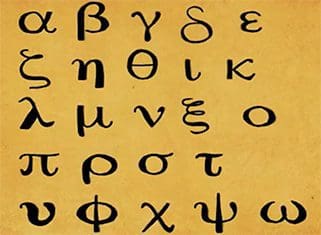
Ancient Greece – KQ6 Part 4 – What did the Greeks do for us? Evaluating the video
This task puts pupils in the position as evaluators of a BBC film: BBC Bitesize – Watch: What did the ancient Greeks do for us? Instead of taking everything the…
Read More
Using a Victorian census to discover what life was like 100 years ago SMART TASK
There are 4 separate ways of approaching this topic, each becoming increasingly more ambitious. Stage 1 only is featured below. Stages 2 and 4 are suggestions using your own local…
Read More
Digital Technology, AI and Film in history at Key Stage 2
You may think it surprising that film and ICT appear together and not separately. With the advent of digitisation and easy manipulation of images, including moving images, using computers the…
Read More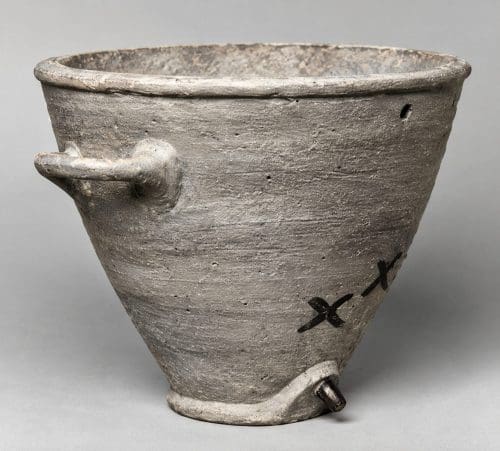
Strategies for using artefacts in teaching history at KS2
Nobody would seriously doubt the value of using artefacts in history at Key Stage 1, but at Key Stage 2 they are used far less regularly. In part, this reflects…
Read More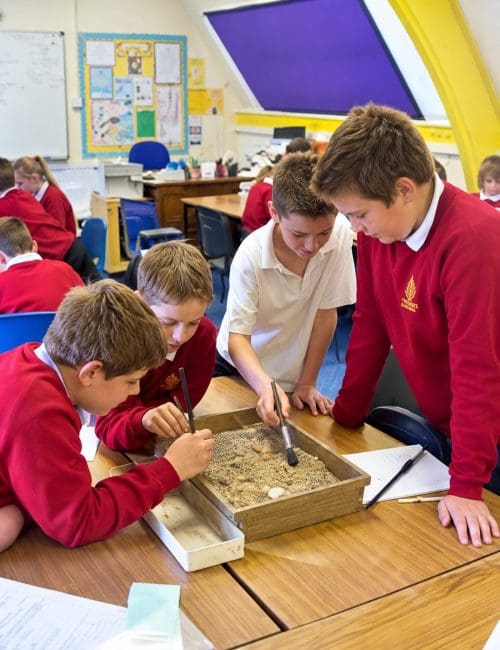
Teaching Interpretations at Key Stage 2
Although challenging, teaching interpretations in history at KS2 level is immensely rewarding when you see the ‘penny drop’ in pupils’ minds. It is hard because it is abstract. It is…
Read More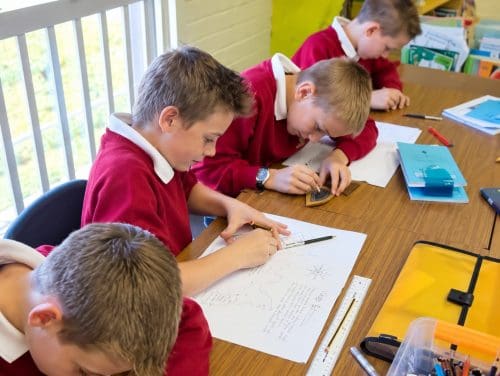
Teaching enquiry in history at Key Stage 2
You will hear a lot spoken about historical enquiry, but very little written down and easily accessible. Given its central importance to an understanding of the nature of history, this…
Read More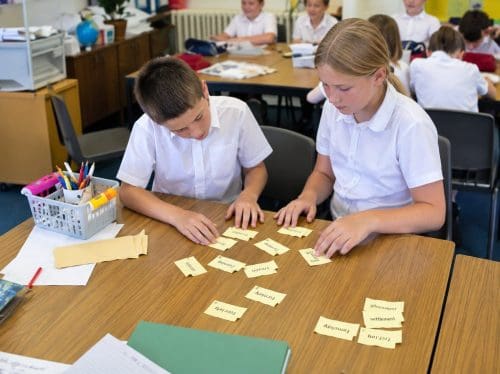
Fit for purpose history teaching strategies at Key Stage 1 and 2
As primary schools have been so heavily criticised by OFSTED for failing to select strategies that are fit for purpose, I thought it would be helpful to show the range…
Read More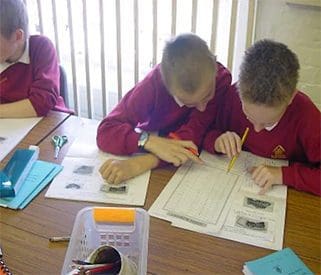
What makes an outstanding history lesson at KS2?
With very little national guidance now coming from OFSTED by way of revisions to the subject-specific criteria for outstanding primary history, we have to fall back on the survey reports…
Read More
The teaching process in history at KS2
Key Stage 2 history teaching is often unfairly caricatured as a teacher telling interested pupils lots of interesting stories: fun at the time, but of little lasting benefit. We need…
Read More
Long-term planning at Key Stage 2
. How do I create a carefully chosen, well-sequenced long-term HISTORY plan ? There are a number of important decisions that need to be taken before you can begin your…
Read More
Short-term planning in history at KS2
As a rule, this site does not recommend the publication of short-term planning, preferring instead to focus on very detailed medium-term plans and allowing teachers space to create their own…
Read MoreHistory and literacy at Key Stage 2
Although OFSTED still points out that opportunities for exploiting the link between history and literacy are still being overlooked, the situation is improving. This is partly due to the fact…
Read MoreViews of learners in history at Key Stage 2
There has been very little published research on the views of KS2 pupils on their history work, other than lots of ranking activities which place history at, or near, the…
Read MoreThe learning process in history at KS2
Given that this site specialises in giving practical support to busy teachers and subject leaders, you may be surprised to find a section on the theory of learning. Well, don’t…
Read More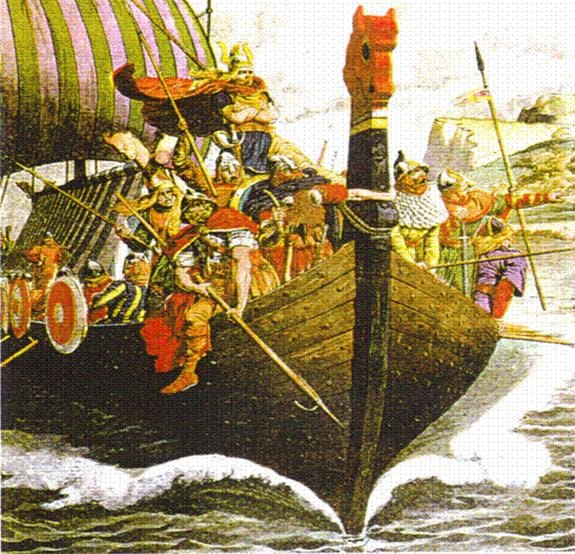
Are we fair to the Vikings? A question of interpretation. SMART TASK KS2
Pupils are shown a range of stereotypical images of Vikings, using slides 2 and 3. This should be used to build up a set of adjectives that are normally associated…
Read More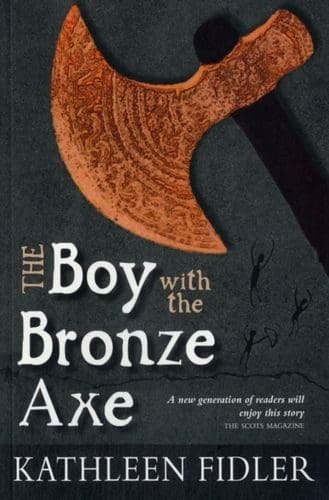
Using Fiction: teaching Stone Age to Bronze Age in history at KS2
Using Boy with the Bronze Axe by Kathleen Fidler to help you teach Stone Age to Bronze Age and Skara Brae to KS2 Although this book is now nearly 50…
Read More
50 imaginative learning activities to use in history at Key Stage 2
Currently these top 50 imaginative ideas are just listed in alphabetical order with a brief description of each, cross-referenced to an Outstanding Lesson in which the strategy is used. If…
Read More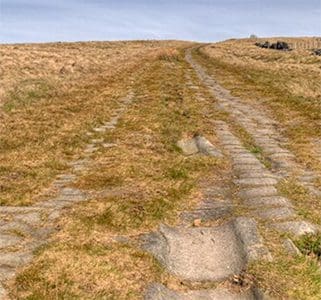
Why did the Romans spend so much time building roads? KS2 short task
From Diamond 4 to ‘Roving Mike’ and kids’ wiki. This simple short task gives groups of pupils, 3 per group, a cut-up set of the 6 diamond-shaped cause cards, provided…
Read More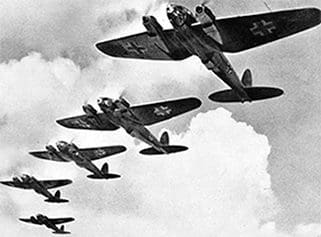
Why did Germany lose the Battle of Britain?
If Britain was only a few days away from defeat in August 1940 how on earth did she win the Battle of Britain a month later? PLEASE NOTE – This…
Read More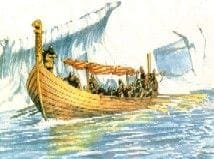
Teaching Anglo-Saxons & Vikings for Key Stage 2
The current National Curriculum has afforded separate status for individual units of work on the Anglo-Saxons and Vikings. Whilst this may be applauded in some circles, it has increased the…
Read More
Top ten ingredients of a good KS2 post-1066 thematic unit.
Teaching Crime and Punishment as a post-1066 thematic unit at KS2 For a while now, a number of schools have been developing interesting thematic units that span 1,000 years and…
Read MoreThinking words in primary history: my top 10
Those of you who have used a lot of the lessons on the site will know only too well that I am a great believer in asking children to express…
Read More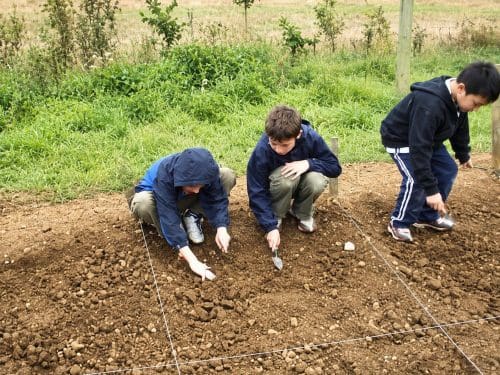
Roles of learners in history at Key Stage 2
One of the best ways of exciting young children in history is to put them in role. Dorothy Heathcote’s approach, called Mantle of the Expert, invests expertise in the pupils,…
Read More
20 creative products for history Key Stage 2
This section accompanies the ones on teaching and learning approaches. It offers you a few ideas you may not have tried for a while, or at least not within the…
Read More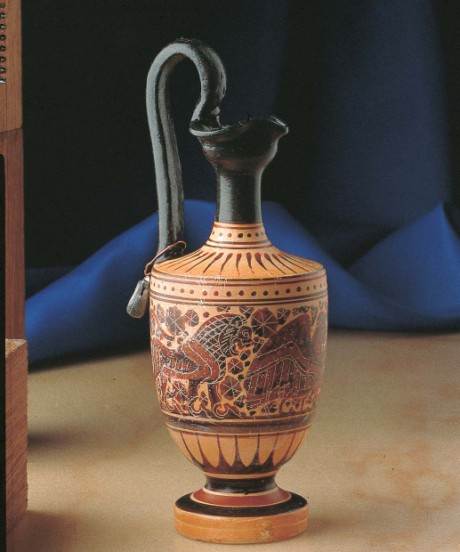
Ancient Greece: Short task on using Greek pots
What can I do with just one Greek pot in the resource cupboard? Collaborative and creative storyboarding At the core of this activity is the development of pupils’ creative imagination…
Read More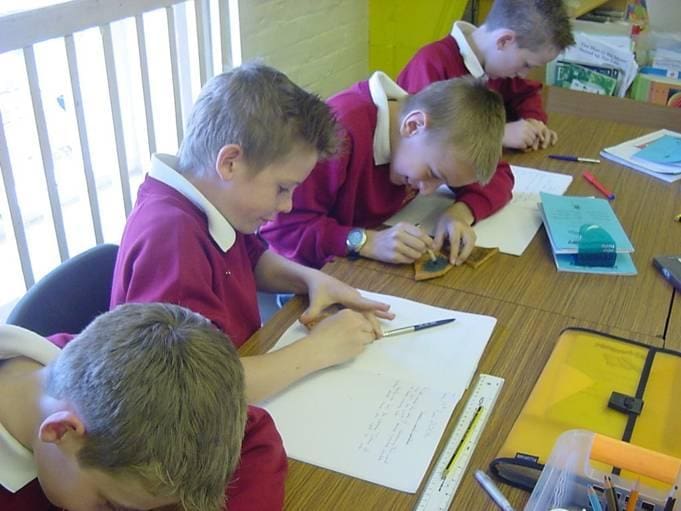
Imaginative learning activities at Key Stage 2
This section accompanies the ones on teaching and learning approaches. It offers you a few ideas you may not have tried for a while, or at least not within the…
Read More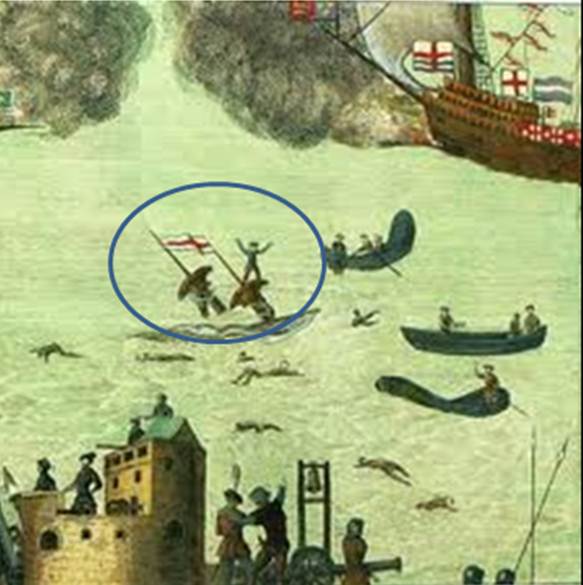
Why on earth did the Mary Rose, pride of the Tudor fleet, sink so quickly under the nose of Henry VIII himself? Home study option SMART TASK
A tightly structured series of activities on the reasons why the Mary Rose mysteriously sank which incorporates: a. A history mystery using evidence discovered in the last few years b….
Read MoreWritten by Neil Thompson

All content on Keystage history is written and quality assured by Neil Thompson, a former history teacher, county history adviser and Ofsted inspector with more than 30 years’ experience in history education.