
KS2 History Resources, Lessons and Planning
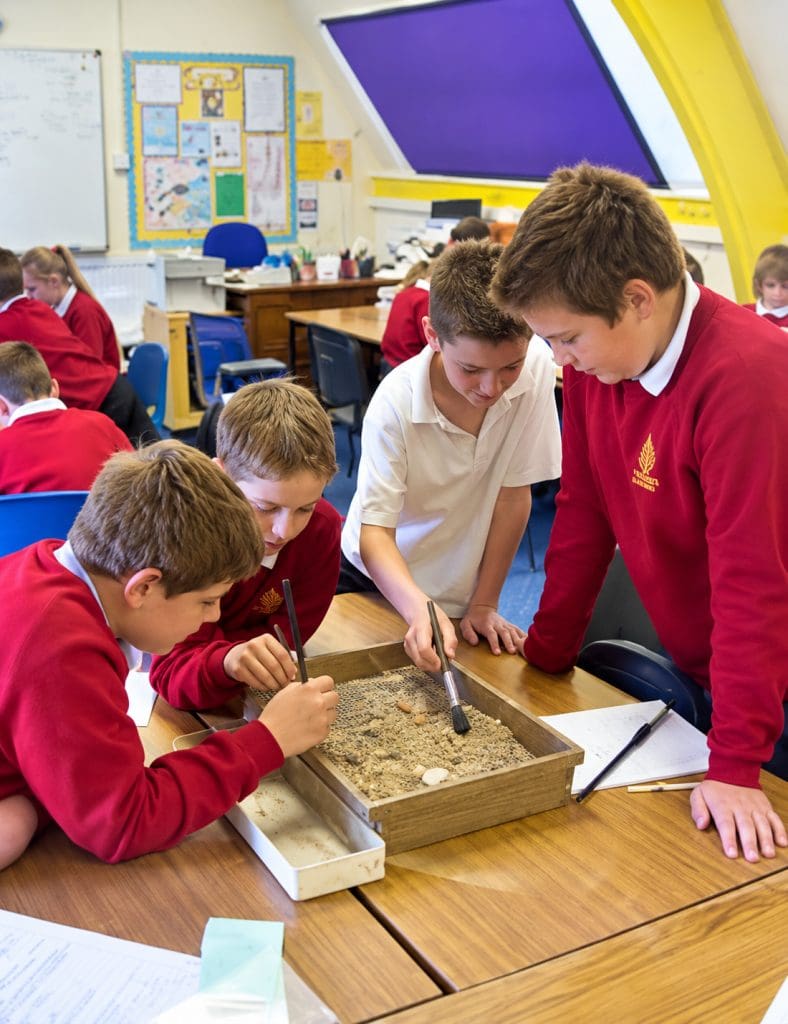 Expert-created KS2 history resources for Years 3–6, including complete lesson plans, PowerPoints, medium-term plans, assessment tasks, quizzes and knowledge organisers.
You will be helped to design and plan an exciting primary history curriculum , taking into account the difficult areas of assessment and progression and mindful of the new focus on curriculum within OFSTED’s framework. You will see how our enquiry-led approach, structured around a limited number of expertly-chosen key questions enables you to blend substantive and disciplinary knowledge. The interplay between the two is essential for great history learning. One without the other is of very limited value in building historical thinking.
It has been a decade since the last major curriculum review. In that time we have seen masses of superb practice which we are sharing with you. There are minor changes, principally around local history and diversity, for the 2028 curriculum which will be published in Spring 2027.
You will be shown which skills and concepts are best developed in which contexts along with examples of key questions that have proved most effective in deepening learning. You also will be helped to make the most of history’s contribution to the whole curriculum by being shown cutting edge practice in the areas of cross-curricular history planning, literacy, thinking skills and creativity.
The site also offers a unique set of detailed lesson plans and resources for about 150 lessons which have been judged as outstanding by OFSTED. These cover all the major topics linked to an outstanding medium-term planner which expertly shows how to combine the most significant content with the development of conceptual understanding.
You will see below that these resources are constantly being added to , thereby ensuring that you have not only the latest and best advise but also the highest quality learning materials for your pupils.
| KS2 History Topic | Resources include |
|---|---|
| Ancient Egypt KS2 | Lesson plans, PowerPoints, scheme of work, assessment, quiz and knowledge organiser |
| Ancient Greece KS2 | Ancient Greece lessons, enquiries, planning, assessment and knowledge organiser |
| Anglo-Saxons KS2 | Anglo-Saxon Britain lessons, enquiries, planning, assessment and resources |
| Benin KS2 | Benin Kingdom lessons, key enquiries, planner, assessment and knowledge organiser |
| Beyond Face Value KS2 | Thematic history enquiries exploring evidence, interpretation and history beyond 1066 |
| Black & British History KS2 | Black British history lessons, historical enquiries, significant individuals and thematic studies |
| Crime & Punishment KS2 | Thematic Crime and Punishment lessons, chronology, change and continuity and enquiry activities |
| Early Islamic Civilisation KS2 | Baghdad and the Golden Age of Islam lessons, planning, assessment and resources |
| Keeping Healthy Through Time KS2 | Thematic health and medicine enquiries exploring change, continuity and developments over time |
| Local History KS2 | Local history study guidance, enquiries, case studies and curriculum planning ideas |
| Maya Civilisation KS2 | Maya civilisation lessons, planner, enquiries, assessment, quiz and resources |
| Romans KS2 | Roman Britain and Roman Empire lessons, planning, PowerPoints, assessment and resources |
| Shang Dynasty KS2 | Shang Dynasty lessons, historical evidence, enquiries and ancient civilisation resources |
| Stone Age to Iron Age KS2 | Prehistoric Britain lessons, scheme of work, assessment, quiz and knowledge organiser |
| Tudor Britain KS2 | Tudor history lessons, enquiry activities, PowerPoints, planning and assessment resources |
| Victorian Britain KS2 | Victorian Britain lessons, source enquiries, planning, PowerPoints and assessment activities |
| Vikings KS2 | Viking Britain lessons, planner, quiz, assessment and knowledge organiser |
| World War Two KS2 | WW2 lessons, Home Front enquiries, propaganda, assessment, planner and knowledge organiser |
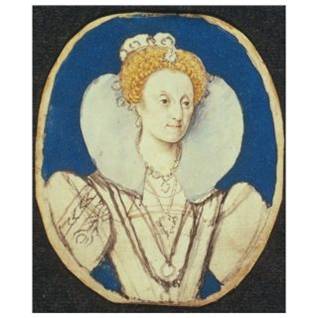
Beyond Face Value – KQ2 – Elizabeth I portraits – Why do Elizabeth I portraits mysteriously start showing her looking younger towards the end of her reign?
This powerful lesson on Tudor portraits as propaganda gives pupils the chance to appreciate that things aren’t always what they seem. Elizabeth wanted to be shown in a particular light…
Read More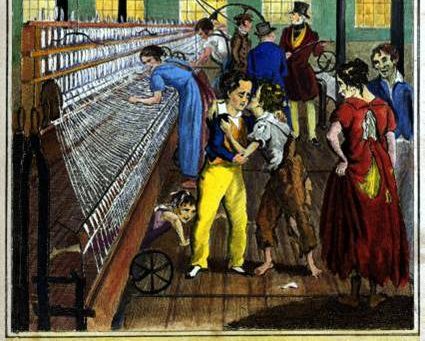
Beyond Face Value – KQ3 – So what were Victorian factory conditions really like? A Y6 study in provenance
In this lesson, pupils are shown 3 images of factory conditions from early/mid Victorian times. Using their knowledge of factory reform they feel confident that they can date the factories….
Read More
10 Things to do to make your history teaching better at KS2
1. Teach through historical enquiries. Enquiries are the most effective subject pedagogy in history, not least because when well drafted, they make pupils think. You will notice that all the…
Read More
Outstanding medium term planner for Ancient Civilizations: Egypt Y3
At one point in recent years, there were real fears that Ancient Egypt would be axed from the KS2 curriculum. Mercifully it was reprieved so we now need to make…
Read MoreOutstanding Scheme of Work for Stone Age to Iron Age
This scheme of work, judged outstanding by an OFSTED history inspector now links to all the fully-resourced outstanding lessons and activities making the teaching of this topic completely self-contained. Not…
Read More
Planner for Britain at War: The Home Front 1939-45
The new detailed downloadable planner below has key questions, suggested activities, resources and assessments for teaching The Home Front in World War Two at KS2 and links with the lessons…
Read More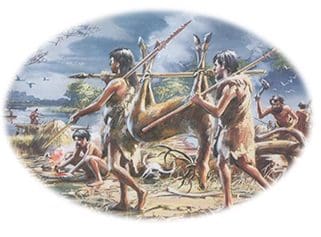
Stone Age to Iron Age – KQ1 – Is it true to say that Stone Age man was just a simple hunter gatherer only interested in food and shelter?
This KS2 outstanding history lesson on the Stone Age revolves around the reveal of an object found at Star Carr in Yorkshire which dates from the Middle Stone Age. It…
Read More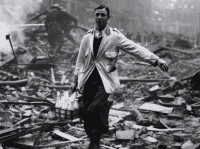
Ideas for teaching the post-1066 thematic unit at Key Stage 2
Whatever you choose to study for your post-1066 thematic unit here are some pointers to help. 1. Try to make as much use as you can of your existing Tudor,…
Read More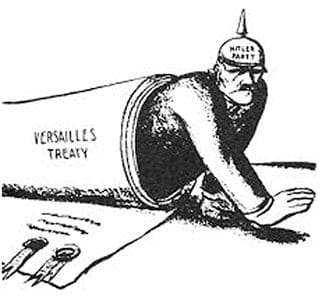
WW2 – KQ1 – Why did Britain have to go to war in 1939?
Pupils learn the sequence of events leading to the Second World war before a lively role-play debate in which they exchange well-rehearsed arguments verbally in the House of Commons and…
Read MorePlanning for teaching 1000 years of Crime and Punishment (KS2 Thematic Unit)
This post-1066 thematic unit has been produced to meet demand from KS2 teachers for a topic that is genuinely relevant and up-to-date for top juniors: something for them to get…
Read MorePlanning for teaching Life in Tudor times at KS2
As you know, the requirement to study Life in Tudor Britain was mysteriously and inexplicably removed from the Key Stage 2 curriculum. As one of the best-taught and popular of…
Read MoreOutstanding Scheme of Work for teaching the Anglo Saxons
You’ll probably be thinking that there is an awful lot of pre-1066 British history in the KS2 curriculum with the Anglo-Saxons being particularly prominent. The way round this, I think,…
Read More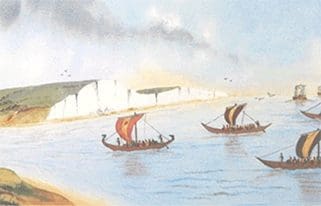
Anglo-Saxons – KQ1a – Why did the Saxons invade? Push or pull?
A fun thinking skills activity in which pupils infer from visual clues before moving on to analyse a range of influence cards and evaluate a video before coming up with…
Read More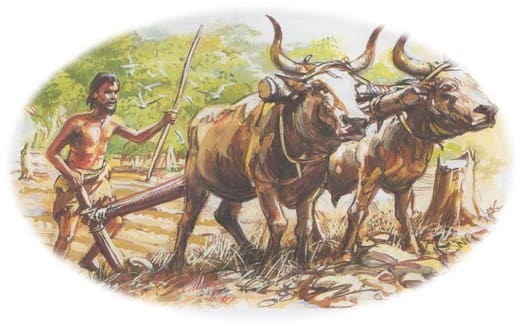
Stone Age to Iron Age – KQ2 – How much did life change when man learned how to farm?
This session focuses on the concept of change and continuity. Pupils learn of the major changes that came in the Neolithic period with the arrival of farming from the Near…
Read MoreStone Age to Iron Age – KQ2 additional information – Comparing life of hunter gathers with farmers
A simple idea to make the key differences as clear as possible, using just two central questions: how did they spend their time and what did they eat? These are…
Read More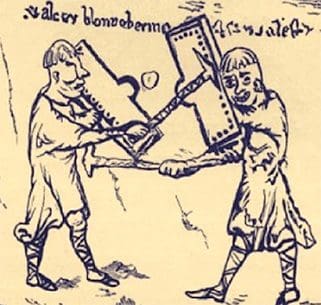
Crime and punishment – KQ1 – How do we know what punishment was like 800 years ago.
How were criminals punished 800 years ago, and how do we know? The story of the fox and the goose Before you launch into the first key question you might…
Read More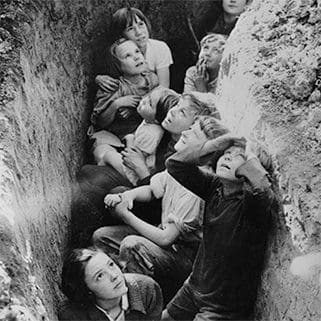
WW2 – KQ2a – Why was it necessary for children to be evacuated? Introductory task
Why was it necessary for children to be evacuated throughout the war, and what was the experience of evacuation really like? This question has two significant outstanding lessons to cover…
Read More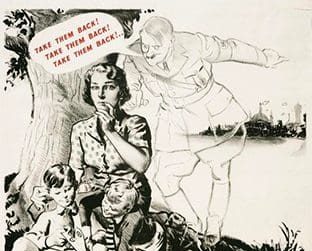
WW2 – KQ2b – Evacuation enquiry – links with numeracy
This lesson comes towards the beginning of the topic after pupils have explored the nature and reasons for evacuation. I am grateful to Julie Tzivanidou of Cove Junior School, near…
Read More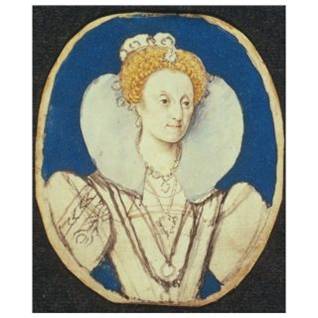
Teaching Life in Tudor Times for KS2
The Tudors from Key Stage 2 history, it is too good a learning experience for pupils for them to miss out on. if you want to see how you could…
Read More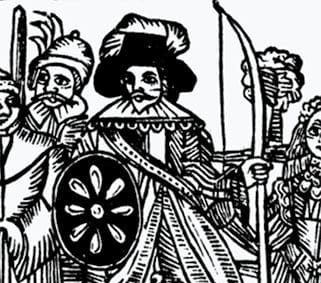
Crime and punishment – KQ2 – What does the legend of Robin Hood tell us about medieval justice?
In the following activities, KS2 pupils learn: That medieval justice was loaded in favour of the rich and powerful; That if you ran away from justice you would be declared…
Read More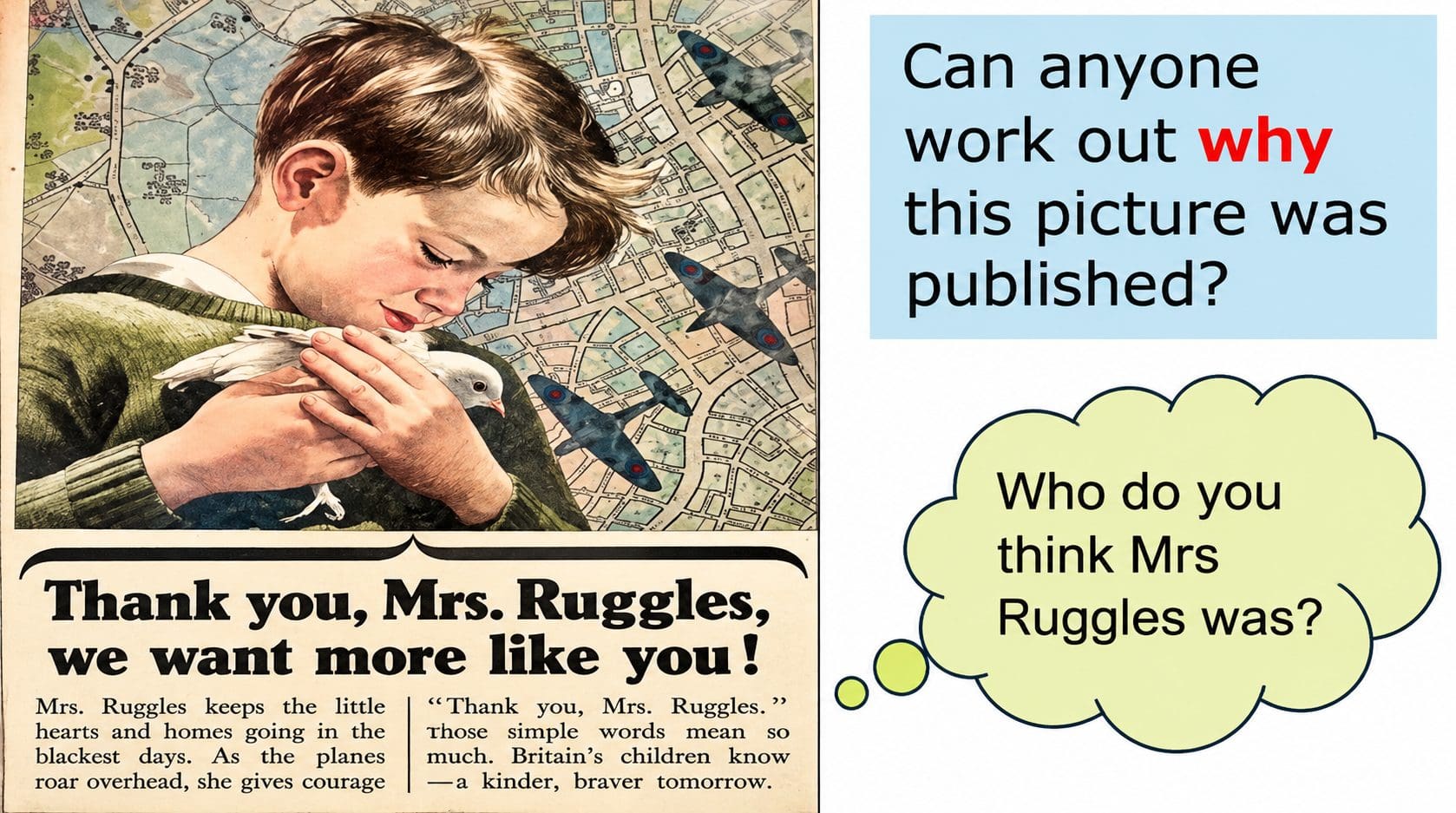
WW2 – KQ2c – Extending the BBC website on Eric the evacuee
The BBC children’s history section has been in touch with the school asking for their help in extending their website section on Eric the evacuee. There is nothing wrong with…
Read More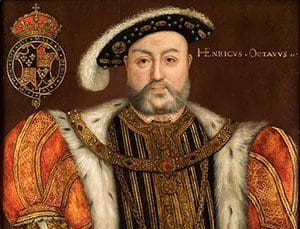
Life in Tudor Times – KQ1 – Henry VIII a question of interpretations. Could you spot Henry VIII in a police line-up?
This is a really fun lesson which shows children what is meant by historical interpretations in an engaging and accessible way. It appeals to both visual and kinaesthetic learners by…
Read More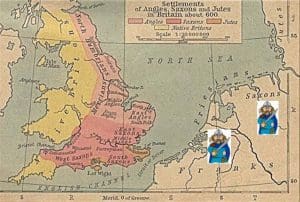
Anglo-Saxons – KQ1b – Where did the early Anglo-Saxons live and how do we know? Bells and whistles
This ambitious but engaging lesson asks children to test some simple hypotheses about where the early Anglo-Saxons settled. They start with some very straightforward statements to make sure they know…
Read More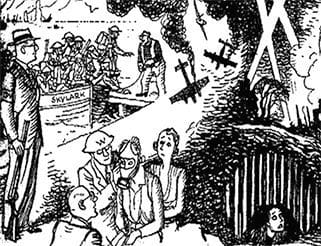
WW2 – KQ3 – How was Britain able to stand firm against the German threat?
This enquiry revolves around a central contemporary cartoon which encapsulates life on the Home Front and how it was geared towards dealing with the Nazi threat of invasion. Pupils have…
Read More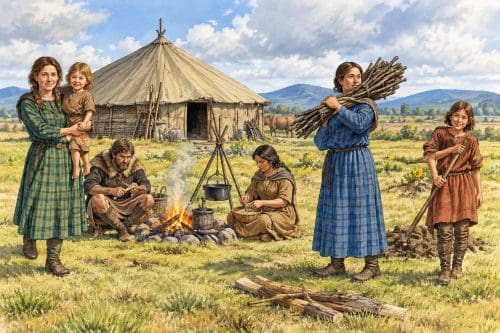
Stone Age to Iron Age – KQ3 – What can we learn about life in the Stone Age from a study of Skara Brae?
Enquiry based lesson on images of the remains of buildings found from a study of Skara Brae, a stone-built Neolithic settlement, located on the Bay of Skaill on the west…
Read More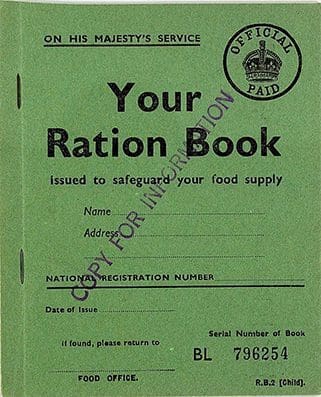
WW2 – KQ3 additional information – Rationing
In order to prevent serious shortages, as early as 1936 the British Ministry of Food had begun to make plans for the supply, control and distribution of foodstuffs. In addition…
Read MoreStone Age to Iron Age – KQ3 Supporting information – What can we learn about life in the Stone Age from a study of Skara Brae
More than 5,000 years ago, during the New Stone Age, Neolithic farmers and herders reached a group of islands to the north of Scotland-the Orkneys. They found the islands a…
Read MoreLife in Tudor Times – KQ1 part 2 – Great starter on interpretations of Henry VIII
Working closely with academic authors, in this case Catherine Fletcher, always gives a fascinating insight into what historians want to write and publishers want to sell. This is fertile ground…
Read More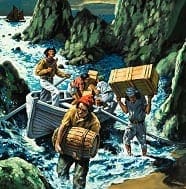
Crime and punishment – KQ3 – More of the same. How did crimes and punishments change between 1500 and 1750?
All you need for this lesson on Crime and Punishment 1500-1750 is to turn your classroom into an art gallery and to provide a highwayman’s mask while pupils consider the…
Read More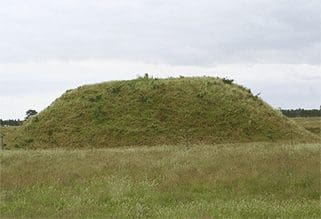
Anglo-Saxons – KQ2 – The mystery of the empty Saxon grave
This highly engaging lesson places pupils in the role of detectives. After a short briefing they have to work out the significance of the various clues found in the bodiless…
Read More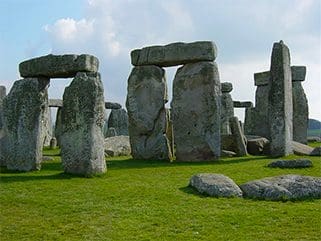
Stone Age to Iron Age – KQ4 – Why did they build Stonehenge?
Pupils are shown a video tour of the site and discover when, where, and how it was built. They speculate as to why it was built. Then play Call my…
Read More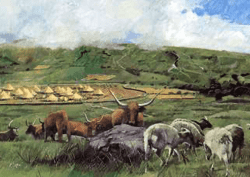
Stone Age to Iron Age – KQ4b – How should we remember the Bronze Age?
Pupils study finds from three separate Bronze sites, including them most recent excavations, to enable them to discover the main features of bronze age life before using this knowledge to…
Read More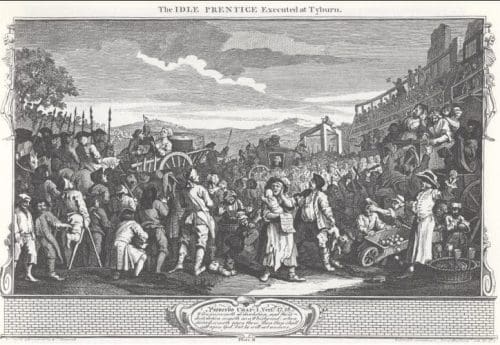
Crime and punishment – KQ4 – Why did punishments become so bloody in the 18th century?
Pupils label their own copy of a motivating Hogarth print showing popular attitudes to public executions before explaining the puzzling conundrum: when the number of death penalties was increased why…
Read More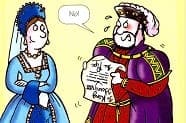
Life in Tudor Times – KQ2 – Why did Henry Break with Rome? Love or religion?
This KS2 history enquiry revolves around Henry VIII’s divorce and the break with Rome, one of the best-known stories in English history. At first, Henry, this larger than life figure,…
Read More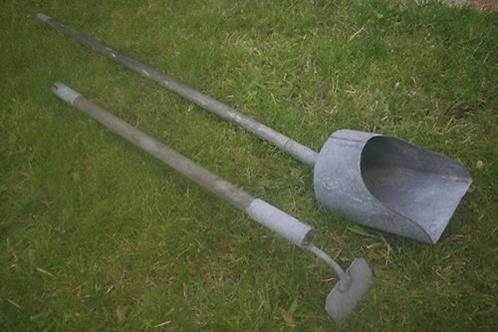
WW2 – KQ4 – Curator’s dilemma. Which 8 objects should we show to explain how Britain coped with the effect of war on the Home Front?
In this activity pupils are cast in the role of local museum curators specializing in the commemorating and interpreting of Life on the Home Front during World War Two. A…
Read More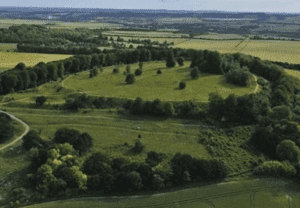
Stone Age to Iron Age – KQ5 – What was life like in the Iron Age and how do we know?
Pupils speculate as to what holes in the ground shown in an aerial photograph might be, before annotating an artist’s reconstruction of Danebury Hill Fort. Using the zones of inference…
Read More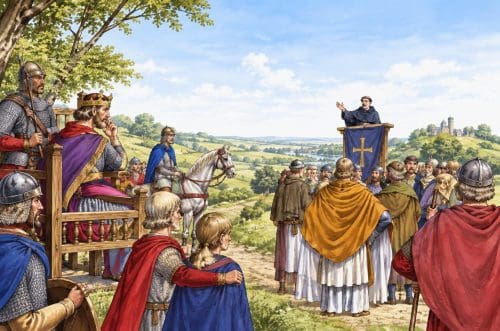
Anglo-Saxons – KQ3 – Coming of Christianity – How did people’s lives change when Christianity came to Britain and how can we be sure?
A series of smart tasks, rather than a full outstanding lesson. The first part of this two part session looks at how it happened, the second at how we know….
Read More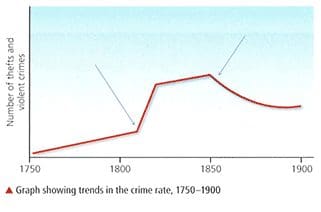
Crime and punishment – KQ5 – Why did so much change happen in crime and punishment the 19th century?
Great range of activities including: generating enquiry questions about increase in crime from a line graph; explanation builder to work out why; looking at individual punishments on a harshness spectrum…
Read More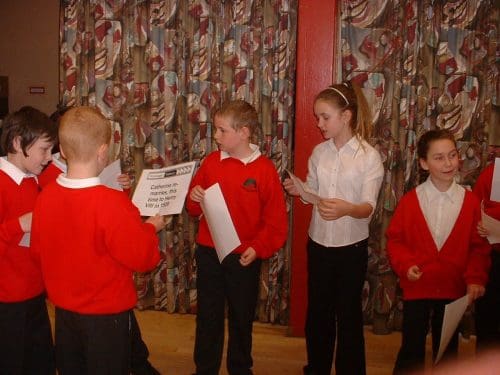
Life in Tudor Times – KQ2 part 2 – the highs and lows of Catherine of Aragon
The context of this lesson was to explore the highs and lows of Catherine of Aragon as a lead up to the Break with Rome. Pupils had already looked at…
Read More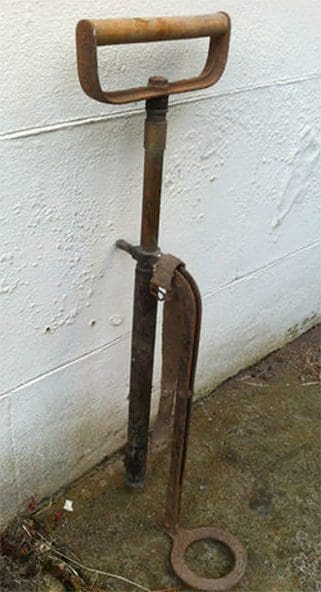
WW2 – KQ4 – Britain during World War Two – Call My Bluff
This activity is designed to promote creative thinking as well as to deepen pupils’ understanding of the objects that are unfamiliar to us but everyday items on the Home Front…
Read More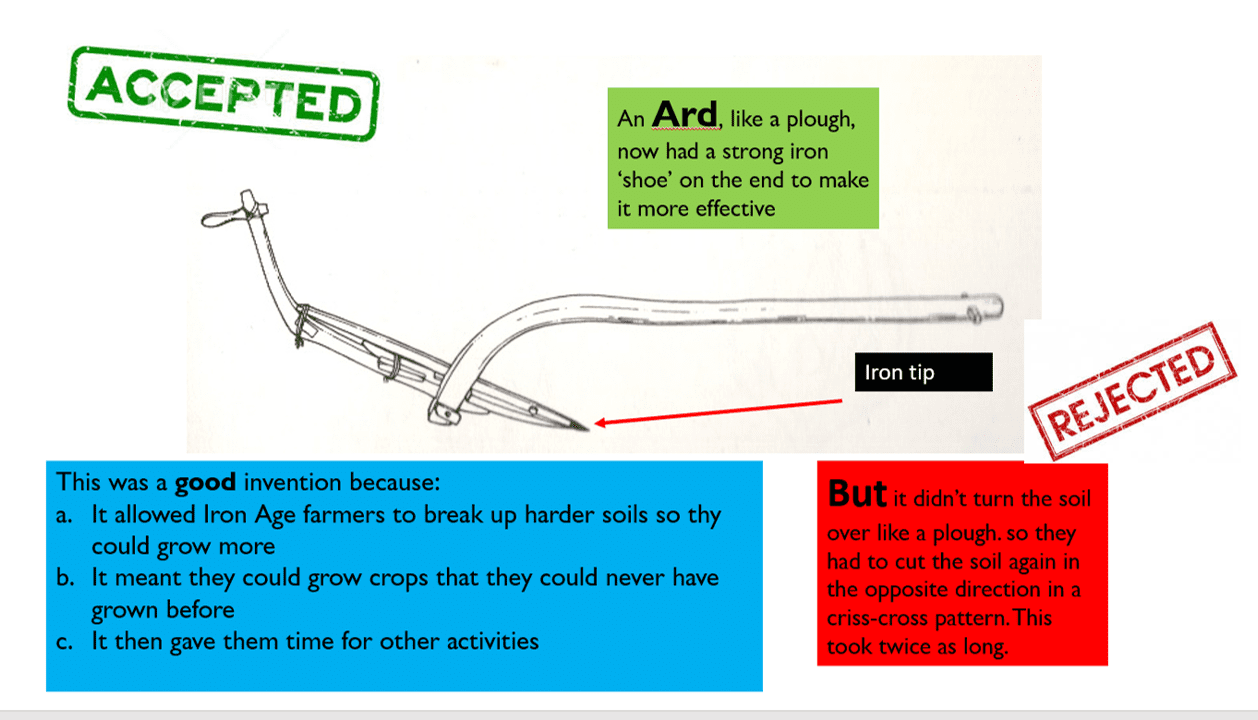
Stone Age to Iron Age – KQ5b – Dragons Den : Which technological development should our Iron Age settlement get next?
Set the scene. A group of the most important members of the Iron Age settlement have gathered to consider their future. They have heard of a lot of new technologies…
Read More
Life in Tudor Times – KQ2 part 3 – History and literacy – Making sense of a letter from Henry VIII to Anne Boleyn
14 ways of telling this is a love letter Pupils are given a copy of a letter from Henry to Anne Boleyn. It appears, at first glance to be impossibly…
Read More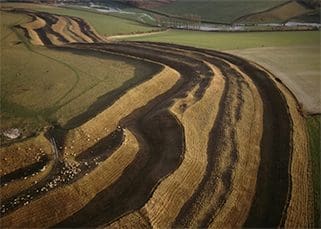
Stone Age to Iron Age – KQ6 – Iron Age Hill Fort at Maiden Castle
Iron Age Crimewatch AD 50. Who killed the 52 dead bodies at Maiden Castle? Key Question 6 KS2 pupils work as history detective Time Teams to solve the Iron…
Read More
WW2 – KQ4 – Christmas for children on the Home Front during World War Two
This is not an outstanding lesson as such, more a collection of good ideas and support material to stimulate even better ideas of your own. Working as expert design consultants…
Read More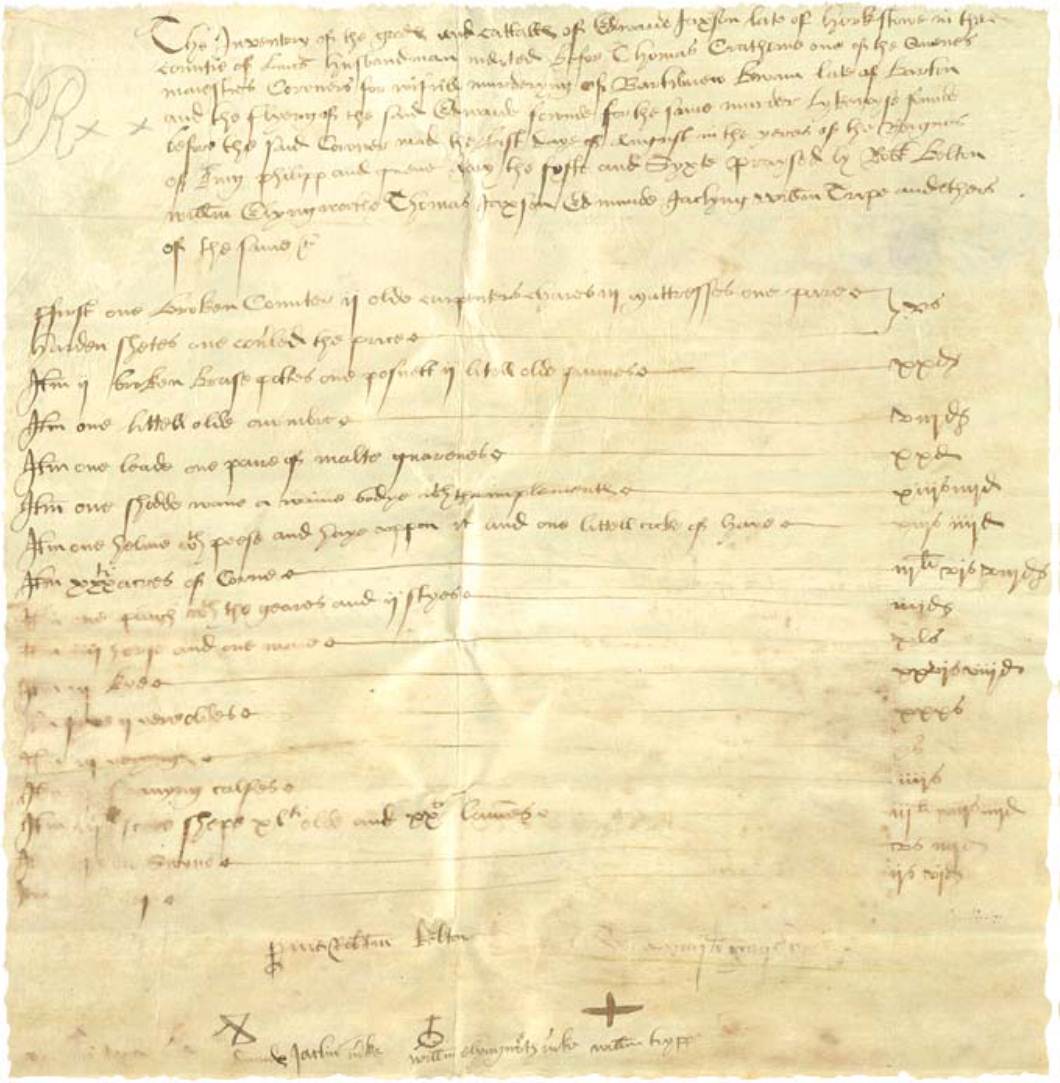
Life in Tudor Times – KQ3 – How different was life for people at different levels of society living in Tudor times?
This lesson features the lives of 4 different Tudor people as evidenced from a key document that they each have in common, namely an inventory. By studying the nature, value…
Read More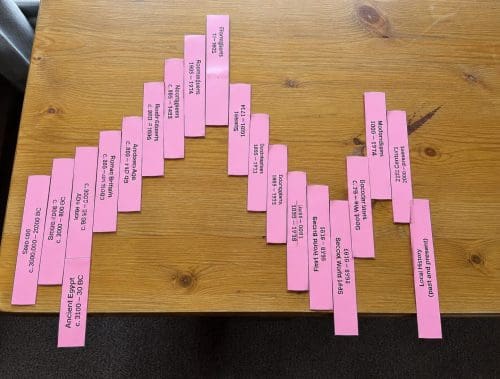
Anglo Saxons – KQ4 – Anglo-Saxons struggle against the Vikings – How did the Vikings try to take over the country and how close did they get?
This task encapsulates the struggle between the Anglo-Saxons and the Vikings in an engaging way that really makes pupils think about the dynamics of the conflict – rather than ‘one…
Read More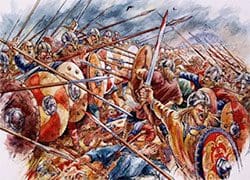
Anglo Saxons – KQ4b – Alfred and Guthrum: 878 the year things changed
Following a lively, interactive and illustrated story-telling session, reinforced by a sequencing activity, pupils consider the reasons for Alfred’s success in 878, against the odds, before considering the significance of…
Read More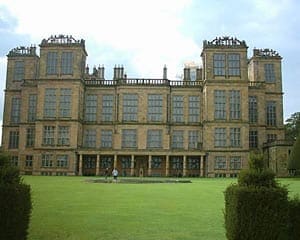
Life in Tudor Times – KQ3 part 2 – Linking history with numeracy; a Tudor enquiry
More glass than wall? Is this a fair description of Hardwick Hall? And how do we find out? This SMART task links history with numeracy asking pupils to apply numeracy…
Read More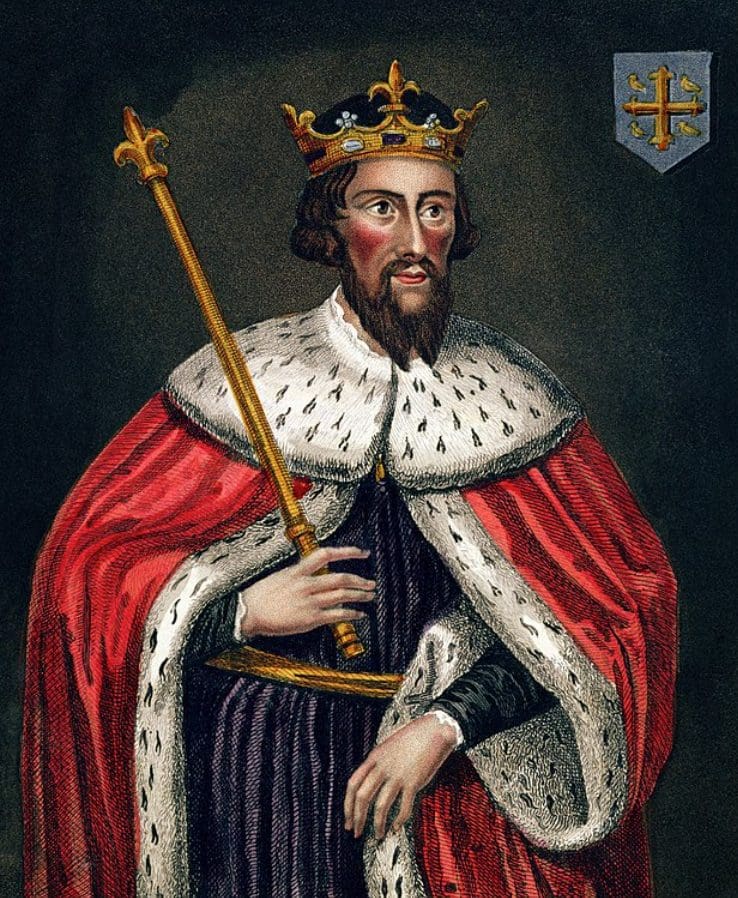
Anglo-Saxons – KQ5 – Alfred the Great. How great was he?
In this outstanding lesson, pupils are asked to critique and then improve the BBC children’s website entry for Alfred the Great. But first they need to see how history has…
Read More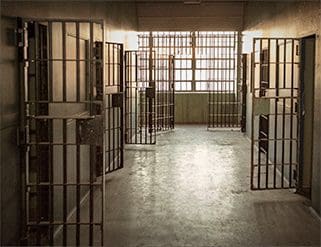
Crime and Punishment – KQ6 – Enquiry – Has the way we catch and punish criminals improved in the last 100 years?
Having analysed a graph showing the way the prison population has risen so dramatically over the last 75 years, pupils speculate as to why that might be before ranking some…
Read MoreWritten by Neil Thompson

All content on Keystage history is written and quality assured by Neil Thompson, a former history teacher, county history adviser and Ofsted inspector with more than 30 years’ experience in history education.