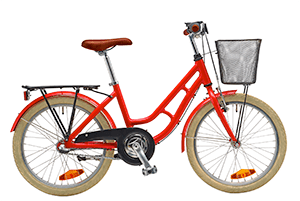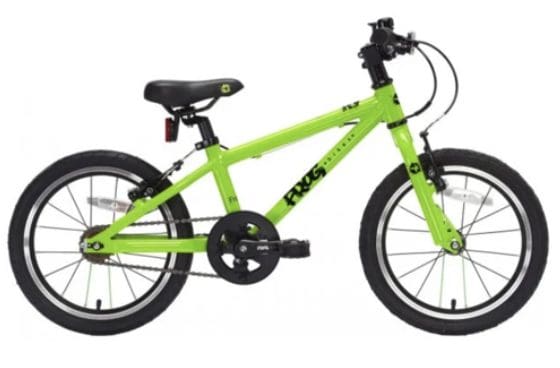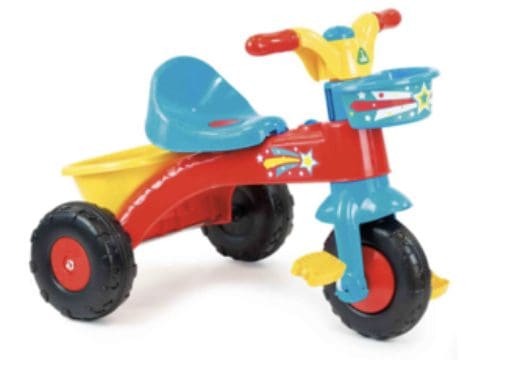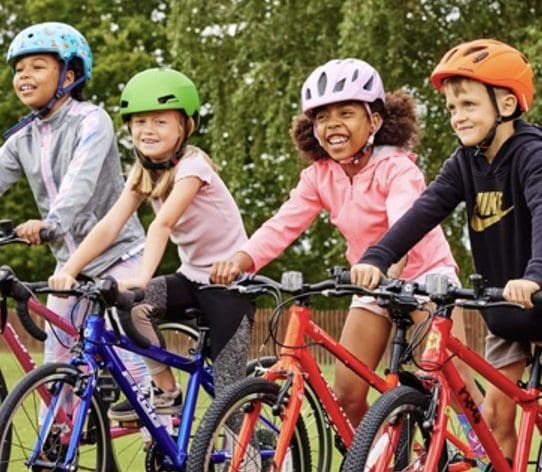
The time frame for this EYFS/Y1 topic is for the most part the last 70 years, with most attention paidvto the youngest children’s own lifetime. Older pupils working as if in Y2 and looking to expand their chronological understanding beyond this time scale have been offered an additional question ( KQ6) , which looks a change over time from the early Victorian period. The bicycle has been chosen as a key focus for starting the topic because learning to ride a bike is something personal, familiar and something children in EYFS can relate to their own lives.
It is something most of us can remember as a significant event in our own histories. Most of your Early Years settings will have a range of scooters, bicycles and tricycles as part of their provision for outdoor learning and you can bring in larger-sized bicycles to observe, compare and contrast. Because you can provide pupils with ‘real thing’, you will ensure that children have firsthand, multi-sensory learning experiences.
Planning notes
Studying the bicycle is possibly more deserving than you might think. Along with the advent of the railway, the bicycle revolutionised the way people could travel so it was not just the prerogative of the rich. The link between the bicycle and air travel could be brought out through a study of the Wright brothers. It was, after all, in their bicycle shop that the first airplanes were built