
Teaching Year 2 History
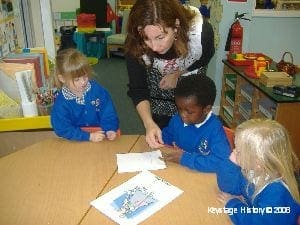
Knowing and being able to explain the sequence in which your pupils will experience their history topics is an important part of the history subject leader’s role. But it can be difficult to be sure what works best. With our wealth of experience we are well placed to give you this crucial advice. Indeed, we nail our colours to the mast so that our planning, lessons, assessment and progression all follow the same rationale and are pitched to particular year groups.
Generally, the fine distinction between year groups cannot be empirically proven by research but having worked with 500 primary schools on their history curriculum over 18 years the following resources are suitable for year 2.
That does not mean it cannot be taught in other year groups. Of course, let’s face it, whether it is taught in term 3 Year 2 or 10 weeks later in term 1 Year 3 is hardly likely to matter that much.

KS1 Medium Term Planner for Spreading the Word: Caxton to Bell
The ‘significant people’ element of the KS1 history curriculum now requires pupils to compare achievements of individuals within a linked theme – in this case communication in a topic called…
Read More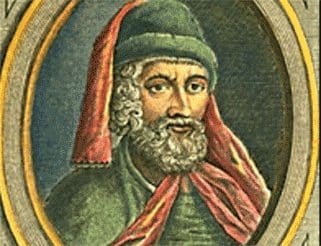
Caxton and Bell – KQ1 – What did Caxton do that was so important to us today?
Following a mysterious PowerPoint slow reveal in which pupils look for clues to Caxton’s fame, pupils are given a brief illustrated summary of the key moments in his life which…
Read More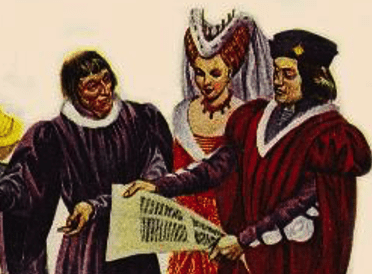
Caxton and Bell – KQ2 – Quick the King and Queen are coming! How Caxton changed the way books were made
Having shown pupils how books were made before Caxton’s time, the main focus of the lesson is on how the new system worked. To prevent this being a dull session…
Read More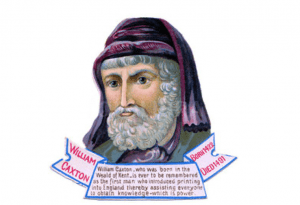
Caxton and Bell – KQ3 – How and why should Caxton be remembered?
Having discussed the possible options for ways of commemorating his achievement, pupils have to create a new plaque on his statue, because the old words have worn and faded away….
Read More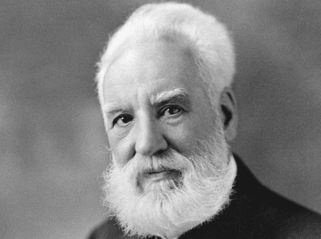
Caxton and Bell – KQ4 – How did Alexander Graham Bell manage to make a telephone work so long ago? and why did he want to?
The focus here is on sequencing of events, looking for turning points in his life and for his personal motivation. How did his life choices end up with him inventing…
Read More
Caxton and Bell – KQ6 – How has the telephone improved since the days of Bell?
This session really helps pupils to get a strong sense of change through time, linking the past of Bell’s time to the present bringing things right up to date. It…
Read More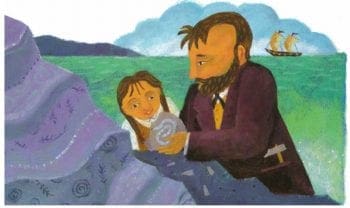
Mary Anning – KQ1 – Why do we remember Mary Anning?
This introductory session attempts to place Mary’s life in a broader context of time and place and to whet pupils’ appetite, without telling much of the story of her life….
Read More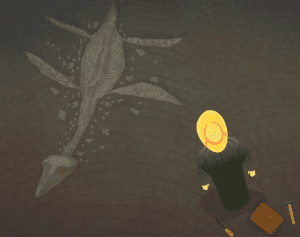
Mary Anning – KQ2 – What did Mary do in her life that was so special?
Pupils move from the sequencing of the major events of Mary’s life to a more sophisticated understanding of which of these events were the most significant. By creating a fortunes…
Read More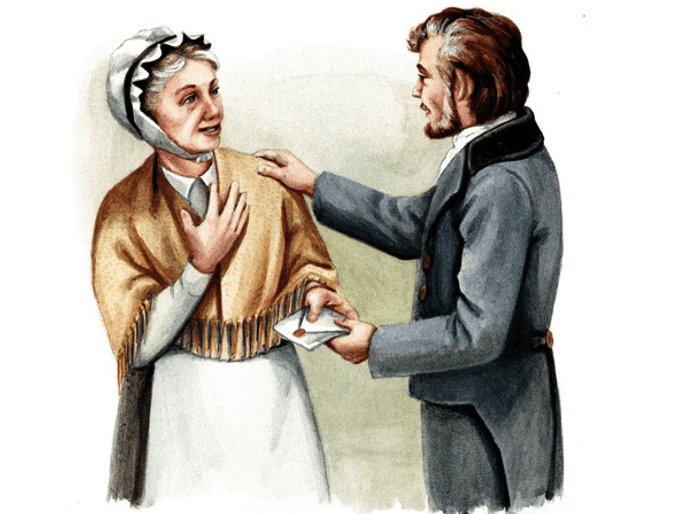
Mary Anning – KQ3 – What sort of person was Mary that helped her to succeed in a man’s world?
This a much shorter enquiry than the others, and comprises just three short activities Step 1 Having recapped the story of Mary’s life, ask pupils to work in small groups…
Read More
Mary Anning – KQ4 – Which other people were important in Mary’s life and why?
This activity is an interesting way of getting pupils to think about Mary’s life but in a non-narrative way. Instead of re-telling the story in sequence they have to look…
Read More
Mary Anning – KQ5 – How do we know about Mary’s actions which happened so long ago?
The main activity in this session is called Prove it! A number of pieces of evidence from Mary’s time are placed around the room, as if it were an art…
Read More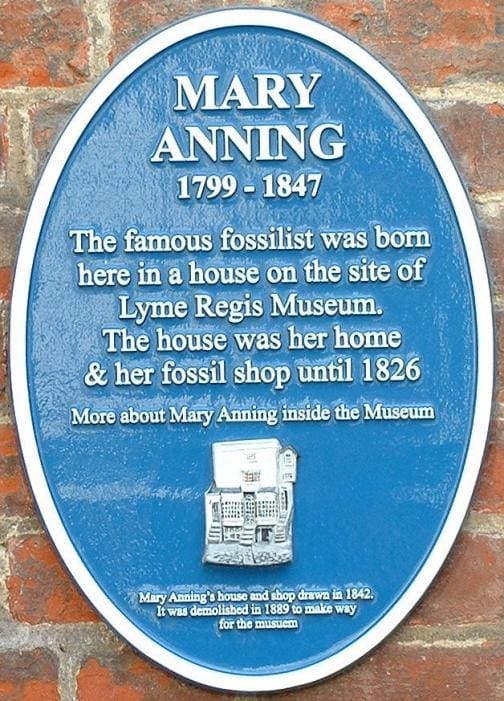
Mary Anning – KQ6 – How and why should Mary Anning be remembered? Have your say.
In Lyme Regis they are going to improve their museum dedicated to Mary Anning. It will cost a lot of money and the Council are not sure she deserves all…
Read More
The Great Fire – KQ1 – How can we work out why the Great Fire started?
This innovative session places pupils right from the start of the enquiry in the role of detectives to discover when, where and why the Great Fire of London broke out….
Read More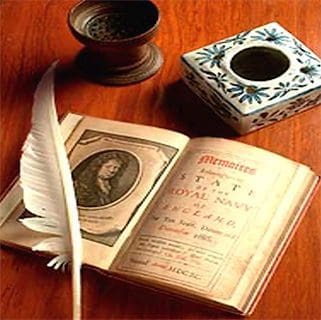
The Great Fire – KQ2 – What happened during the Great Fire and how do we know?
This lesson focuses on the idea of evidence and proof. Can pupils find evidence to back up statements made in books? Can they tell which is the strongest piece of…
Read More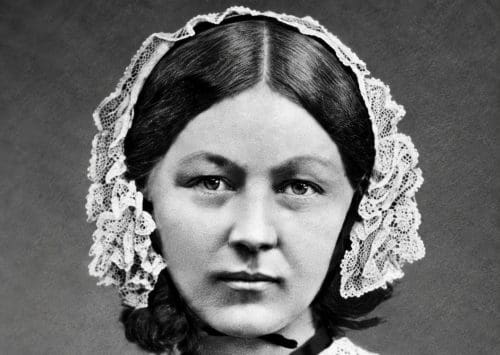
Florence Nightingale – KQ1 – Why do we think Florence Nightingale is remembered?
Pupils make deductions from a range of visual clues to see if they can work out what job Florence Nightingale did, before being told the story of her life through…
Read More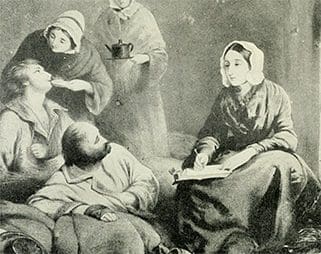
Florence Nightingale – KQ2 – Why did Florence place herself in such danger by going to the Crimea?
Who influenced her decision to go? Already introduced to the major events in Florence’s life, children now speculate on why she took the brave decision to go to the Crimea….
Read More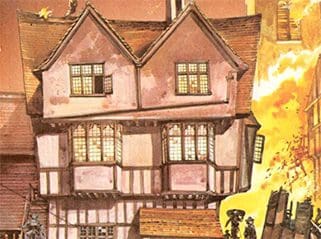
The Great Fire – KQ3 – Why did the Great Fire burn down so many houses?
This Great Fire lesson focuses on developing children’s powers of explanations. They will already have looked at the sequence of events and will be able to offer a few simple…
Read More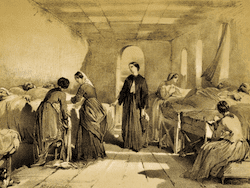
Florence Nightingale – KQ3a – Fighting Fit. What did Florence do to improve the lives of the soldiers when she arrived in the Crimea?
In this lesson children compare the appalling conditions in the hospitals on Florence’s arrival at Scutari. With the help of animated rats! They list the most significant problems and then…
Read More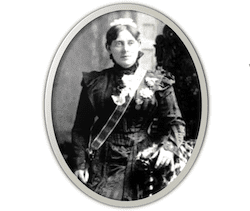
Florence Nightingale – KQ3b – Smart task – What did people really think of Florence Nightingale?
Learning objectives children can respond in role showing awareness of differing attitudes to Florence they can judge whether each group would approve of giving Florence a medal Starter Start by…
Read More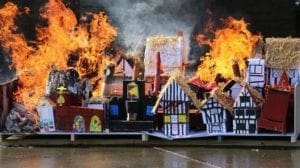
The Great Fire – KQ4 – Could more have been done to slow the spread of the fire?
This session comprises three distinct phases. The first is mime-based, looking at the firefighting methods used and discussing their disadvantages. The second looks at what action was taken to stop…
Read More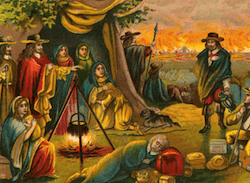
The Great Fire – KQ5 – How did people manage to live through the Great Fire?
Miraculously for a city that was the third largest in the world, consumed by a fire that lasted for days, very few people died, as far as we know. There…
Read More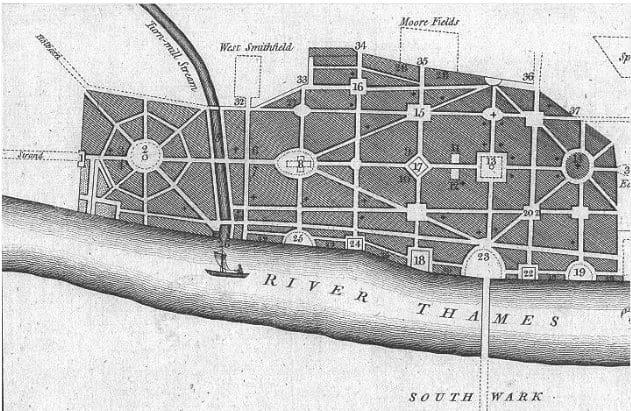
The Great Fire – KQ6 – How shall we rebuild London after the Great Fire?
This lesson gives full rein to children’s creative flair, disciplined by evidence. The City of London is offering a prize for the best design for a rebuilt London after the…
Read More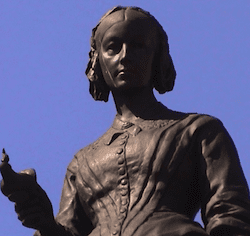
Florence Nightingale – KQ4a – What was Florence Nightingale’s greatest achievement?
Pupils have been drafted in to help with the wording on a statue to Florence Nightingale which had badly worn away over time and is now in danger of being…
Read More
Florence Nightingale – KQ5 – How do we know so much about Florence Nightingale when she lived so long ago?
This differentiated core activity is Prove it! Working in pairs as detectives with their own find the clue sheets and clipboards, pupils are given 10 statements about Florence and have…
Read MoreFlorence Nightingale – KQ6 – Should Florence Nightingale rather than Mary Seacole have her statue at St.Thomas’ hospital?
NB This lesson overlaps, as you would expect, with a similar lesson on Mary Seacole. It is slightly different in emphasis but if you are studying both women in equal…
Read More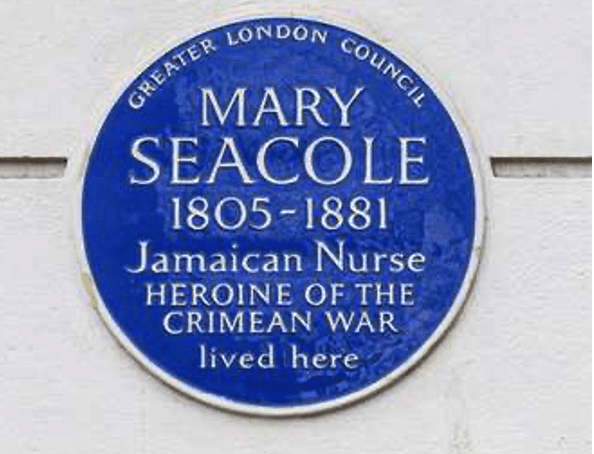
Mary Seacole – KQ1 – How can we work out why Mary Seacole is famous?
This session focuses on working out WHY Mary Seacole is commemorated today 200 years after she was born, and looks at the different ways in which she is remembered. The…
Read More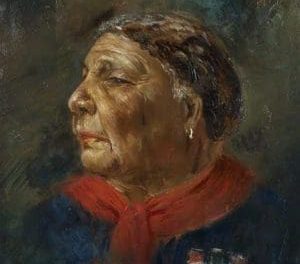
Mary Seacole – KQ3 – What was Mary’s greatest achievement and how do we know?
The focus here is mainly on the evidence for Mary’s achievement. This is important as she was a more-or-less forgotten figure for 200 years. So how do we know that…
Read More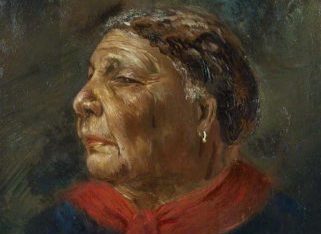
Mary Seacole – KQ4 – How did life change for Mary after the Crimean war?
What happened to Mary Seacole when the Crimean War was over? In this engaging KS1 history lesson, pupils discover that Mary’s return to Britain was far from straightforward. By sequencing…
Read More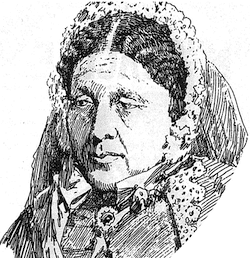
Mary Seacole – KQ5 – What made Mary so special?
A short session aimed at generating adjectives to capture the special qualities that Mary had and to provide examples of where she exhibited those characteristics. Learning objectives – Pupils can…
Read More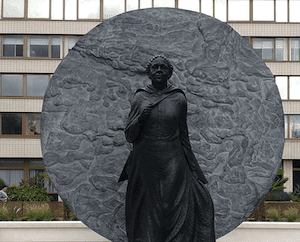
Mary Seacole – KQ6 – Why doesn’t everyone agree that Mary deserves her statue at St. Thomas’ hospital?
This lesson places pupils in the role of Mantle of the Expert. A new monument to Mary Seacole was erected outside St Thomas Hospital in 2016 . But there have…
Read More
Guidance for teaching Amy Johnson as a Famous Person in Key Stage 1
This study of a significant individual has been designed to form part of a broader topic on a similar theme which is one of the key requirements of the current…
Read More
Teaching the Wright Brothers as a Famous Person in Key Stage 1
The Wright brothers offers an exciting opportunity for pupils to explore a topic that should engage their interest, provide plenty of opportunities for drama and creative thinking and should fit…
Read More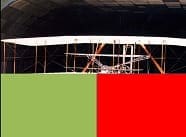
Wright Brothers – KQ1 – What do you think the Wright brothers did to make them famous?
At the very start of the topic, on the assumption that you haven’t told them what the topic is about!! pupils are shown slide 2 in the form of a…
Read More
Wright Brothers – KQ2 – How did the Wright brothers manage to be the first to launch a man powered flight?
This enquiry comprises a series of three smart tasks: the first is a sequencing task based on storytelling; the second a ‘living graph the third an optional ‘reconstruction relay drawing…
Read More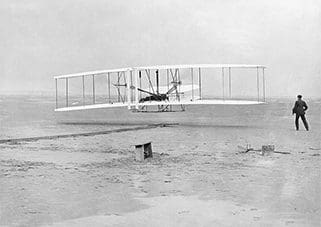
Wright Brothers – KQ3 activity 1 – Why did the Wright brothers succeed where others had failed?
Sarah Duck describes how her class tackled this key question. The task involves children reading small diamond-shaped text cards, to decide which statements are true or false. They then put…
Wright Brothers – KQ3 activity 2 – Spying on the Wright Brothers.
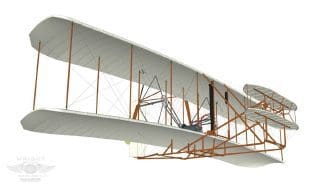
This reconstruction relay – part of KQ3, Why did the Wright Brothers succeed where others had failed – is fantastic fun as well as helping pupils to look carefully at…
Read More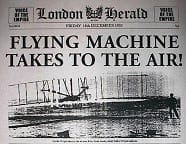
Wright Brothers – KQ4 – The Wright Brothers first flight. KS1 Prove it!
How can we possibly know about the Wright Brothers first flight when there’s nobody alive now who saw it? This is a question about evidence, one which makes pupils consider…
Read MoreWright Brothers – KQ4 – one teacher’s alternative approach – Wright brothers: prove to me that it really happened
This lesson was taught by Sarah Duck, Leading Teacher for History, Hampshire LA. She kindly describes for us how the lesson went. “Work had already begun on the Wright Brothers’…
Read More
Wright Brothers – KQ5 – How did flight change as a result of the Wright Brothers’ work?
This activity goes beyond simple sequencing of images, which pupils first attempted at the start of the topic, to explaining the nature of the changes that have taken places in…
Read More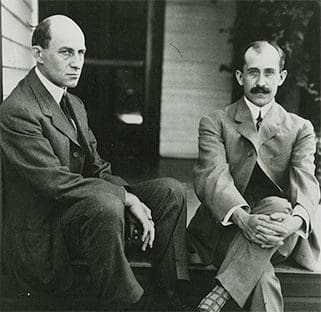
Wright Brothers – KQ6 – How should the Wright brothers be remembered?
Commemorating the Wright brother’s achievements with words young children can understand Pupils have to create a plaque to commemorate the Wright brothers’ achievements to replace the incomprehensible one on the…
Read More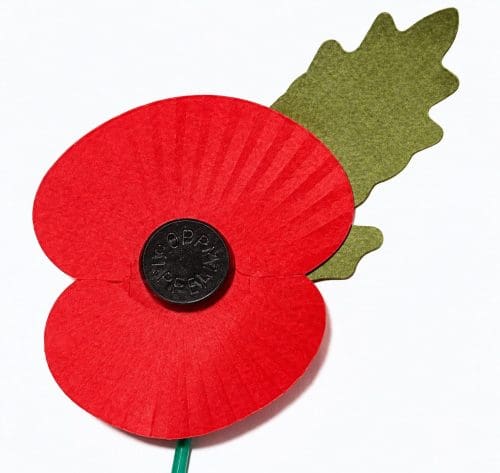
Remembrance Day – When did we start wearing poppies and have we always done so?
More than a century ago, in 1921, paper poppies were first sold to raise money for returned soldiers of the First World War. In postwar society, many veterans struggled to…
Read MoreAre you teaching the right things about Mary Seacole to your children? 10 things to be sure to teach
Are you teaching the right things about Mary Seacole to your children? 10 things to be sure to teach: 1. Mary was not a nurse as pupils would understand the…
Read More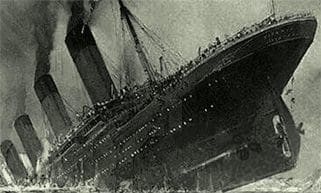
Titanic – KQ1 – Launching the Titanic enquiry, drawing on pupils’ prior knowledge
What do we already know about the Titanic and what can we work out from a picture? This lesson’s activities are designed to release any prior knowledge pupils might have…
Read More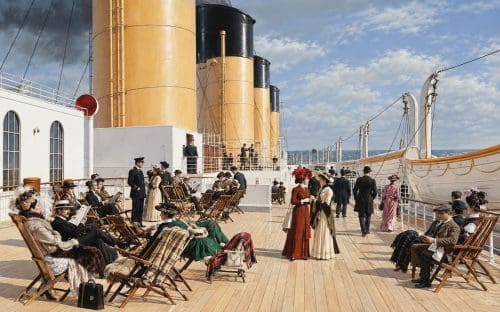
Titanic – KQ2 – What was so special about life on the Titanic?
What was so special about life on board the Titanic? and was it the same for everyone? In this enquiry pupils play Prove it! using a gallery of images to…
Read More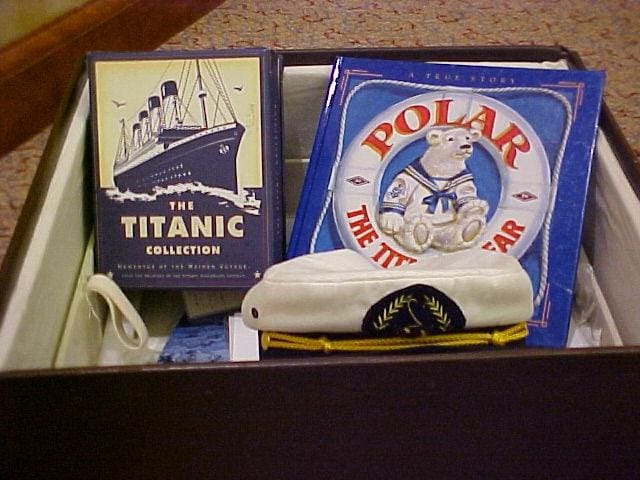
Titanic – KQ3 – How could the unsinkable Titanic sink?
This Y2 lesson takes pupils understanding beyond that of knowing what happened to the Titanic to work out why it sank. The aim is to go beyond simple one cause…
Read MoreKS1 History Planner for Scott of the Antarctic topic
Medium term planning and planner for Scott of the Antarctic KS1 This topic has been designed for Term 3 of Y1 but would also suit use with older pupils. It…
Read More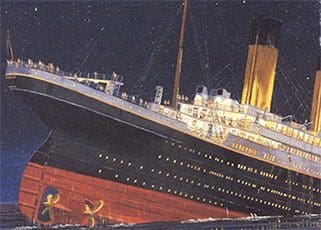
Titanic – KQ4 – How should we film the sinking of the Titanic?
Stephen Spielberg has asked for a historically accurate poster for a new film he is planning on the sinking of the Titanic. He wants school children to design a poster…
Read More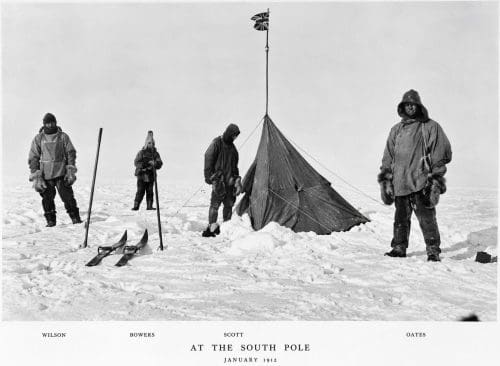
Scott of the Antarctic – KQ1 – Who on earth is this famous person?
This fun first lesson on Scott of the Antarctic using the slow reveal technique of an iconic image to enable pupils to work out the clues as to why the…
Read More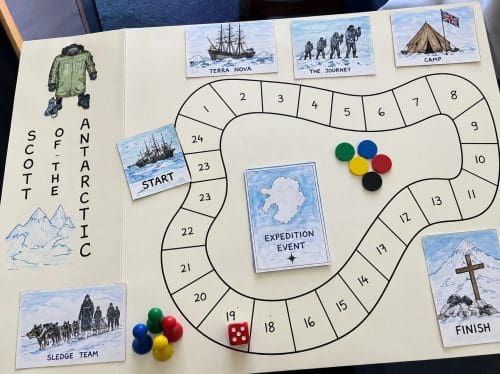
Scott of the Antarctic – KQ2b -Scott of the Antarctic: From sequencing to Living graph Key question
This activity enabled children to see how certain events had a positive or a negative effect on Scott’s expedition to the South Pole. The children in Year One also needed…
Read More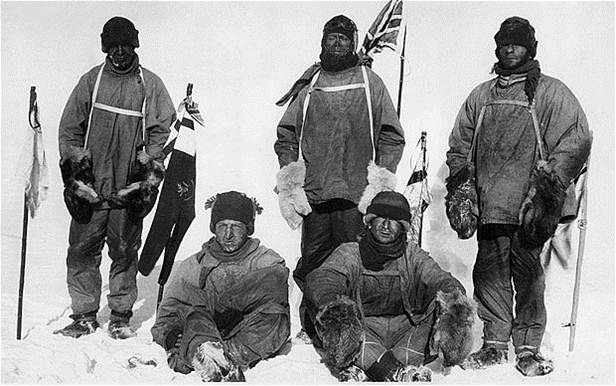
Scott of the Antarctic – KQ3 – Why did Scott risk his life going to the South Pole?
The concept of an intrepid explorer may not be completely alien to even the youngest children as the media does focus a lot on individual record breaking, whether it be…
Read MoreWritten by Neil Thompson
All content on Keystage history is written and quality assured by Neil Thompson, a former history teacher, county history adviser and Ofsted inspector with more than 30 years’ experience in history education.