
Significant people – South of England
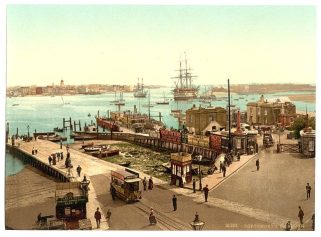
Portsmouth – significant people and events
Portsmouth is a historic port city on the south coast of England whose identity has long been shaped by the sea and the Royal Navy. Its natural harbour made it…
Read More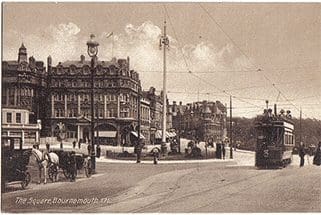
Bournemouth – significant people and events
Bournemouth is an influential coastal town known for its strategic location, natural environment, and contribution to learning and innovation. Established as a health resort in the 19th century, it attracted…
Read More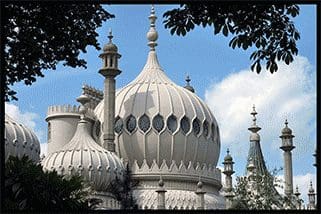
Brighton – significant people and events
Brighton is an influential seaside city known for its creativity, diversity and bold ideas. It grew as a popular resort in the 1800s, attracting visitors who came for fresh sea…
Read More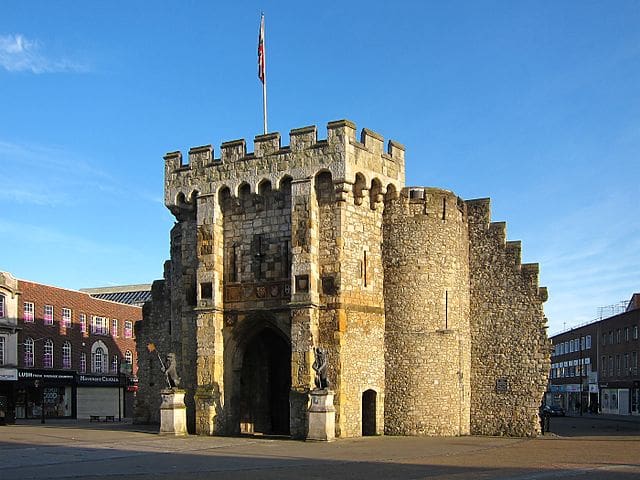
Southampton – significant people and events
Southampton is an influential city on England’s south coast because it has connected people, places and important events for centuries. Its busy port has welcomed travellers, soldiers and newcomers from…
Read MoreWritten by Neil Thompson

All content on Keystage history is written and quality assured by Neil Thompson, a former history teacher, county history adviser and Ofsted inspector with more than 30 years’ experience in history education.