
Castles Lessons and Resources KS1
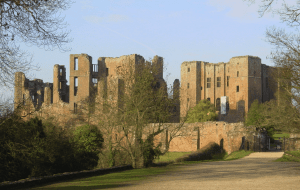 This is a great topic. Not only does it make the Homes topic really come alive, but it also helps low attaining pupils to grasp what really old means. The contrasts with the present are so clear-cut that all can get involved. And they love it! Build in a visit and the whole topic takes off! In the medium term planning section you can find Sarisbury Infant School’s attempt to integrate a range of subjects. What I like about this school’s planning is the way they bring in subjects at the most appropriate time. They plan as a flow diagram, not a spider diagram, which helps so much to see the topic from the learners’ perspective not the teacher’s brainstorm.
Castles Scheme of Work and Knowledge Organiser
| All Castles Key Questions | Historical focus |
|---|---|
| Castles – KQ1 – What makes a castle a castle? | Historical enquiry and understanding |
| Castles – KQ2 – Why did people build castles in the past? | Causation and motivation |
| Castles – KQ3 – What made castles so strong? | Historical enquiry and understanding |
| Castles – KQ4 – What were medieval castles like to live in and how can we possibly know when so many are now ruins? | Chronology and duration and Historical experience and reconstruction |
| Castles – KQ5 – How did castles change over time? | Change, continuity and comparison |
| Castles – KQ6 – How are castles used today? | Historical enquiry and understanding |
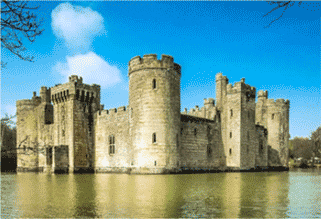
Castles – KQ1 – What makes a castle a castle?
Having elicited pupils’ initial knowledge of castles from books film and family visits, pupils are asked to explore a number of images in order to work out what makes a…
Read More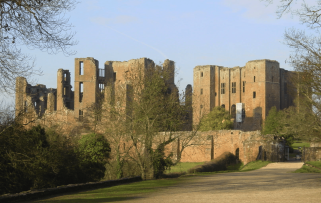
Castles – KQ2 – Why did people build castles in the past?
This session is straightforward in that pupils are introduced via a short video to a variety of reasons which not all pupils will fully grasp on first showing. To reinforce…
Read More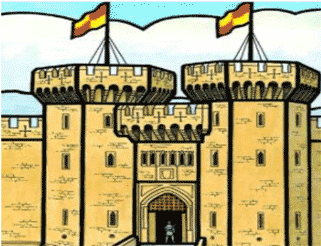
Castles – KQ3 – What made castles so strong?
Rather than going through all the different methods used chronologically, this really fun session focuses on one year and casts the pupils as advisers to a castle builder who wants…
Read More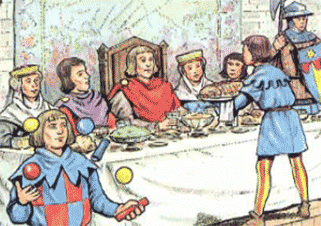
Castles – KQ4 – What were medieval castles like to live in and how can we possibly know when so many are now ruins?
This five-part lesson starts with pupils in role as workers for company charged with recreating what a medieval castle would have been like in peace. They watch a short video…
Read More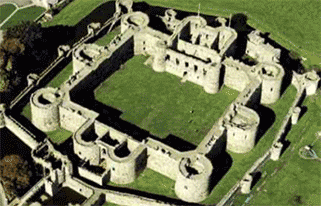
Castles – KQ5 – How did castles change over time?
This lesson starts with encouraging pupils to spot differences between 3 castles to give them confidence before working in groups of 4, pupils are given 5 undated images of castles…
Read More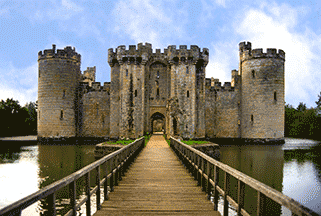
Castles – KQ6 – How are castles used today?
Pupils have to deduce from a range of visual clues of castles they will see around them, the uses to which castles are put today and then to consider, using…
Read MoreWritten by Neil Thompson
All content on Keystage history is written and quality assured by Neil Thompson, a former history teacher, county history adviser and Ofsted inspector with more than 30 years’ experience in history education.