This lesson was taught by Mike Herrity when Head of History at Wildern School, Hedge End, near Southampton. On an OFSTED inspection the lead inspector pronounced the lesson quite outstanding and was so convinced of the quality that she saw no more history lessons after that!!
This was the second lesson of the GCSE course taught in Year 10 to an upper ability group. The previous lesson had been an introductory overview of the five main time periods covered in the course, the five main areas of medicine and the seven main factors that tend to impact, positively and negatively on the development of medicine.
Learning objectives
- students examine evidence from cultures similar to prehistoric people in order to test the validity of assumptions about prehistoric medicine based on physical evidence
- students appreciate that conclusions have to be tentative, but that some physical evidence enables historians to make some observations with certainty.
Step 1
Quick starter: in pairs pupils identify the key features of the study of the history of medicine which were introduced in the last lesson and learned for homework. Students were asked if they wanted to go for a period, an aspect or a factor. No-one was allowed to opt out (or look at their notes) and expectations were very high. The teacher had a set of 17 cards with the key detail on. As students guessed they were given the card. Within a couple of minutes all the ideas had been taken. This gave a very positive ‘can-do’ ethos, which characterised the attitude of the department.
Step 2
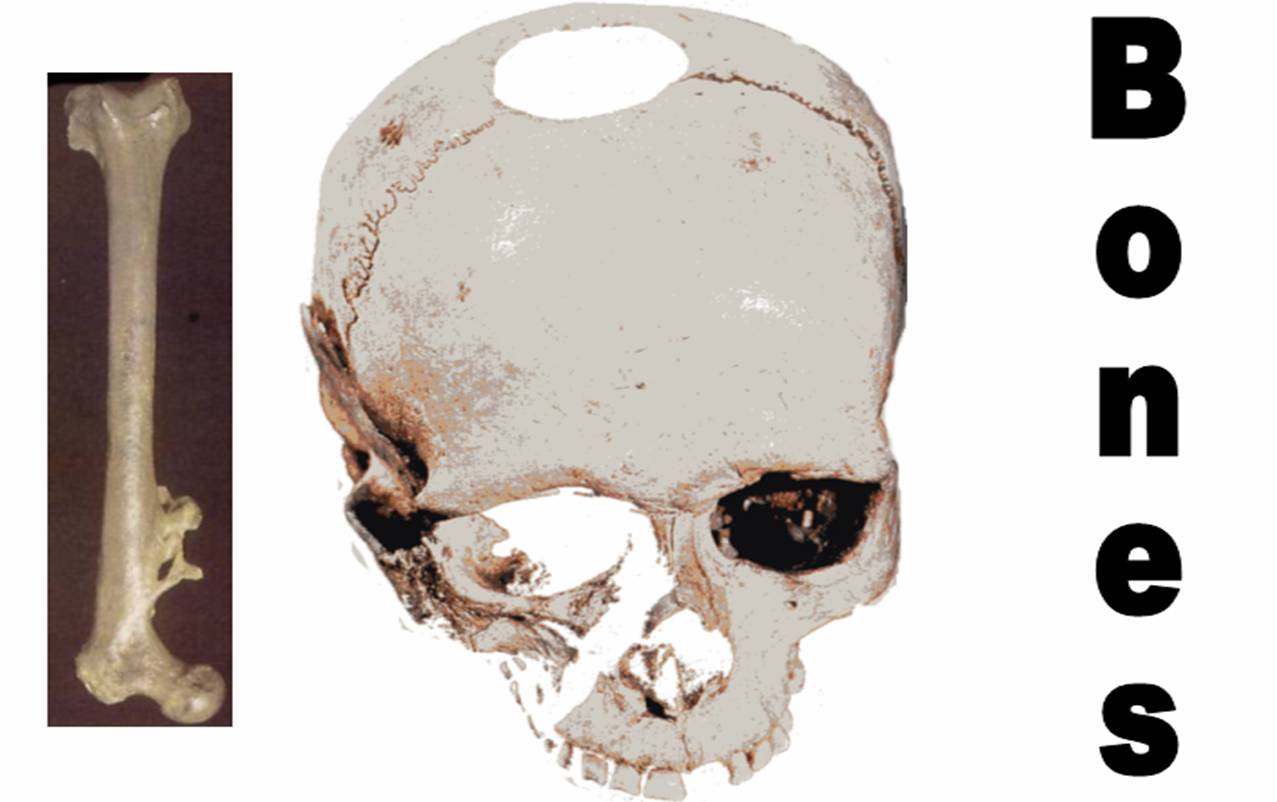
The focus of the lesson on the ‘prehistoric’ was introduced with a quick question and answer on students’ perception of the term prehistoric. Using the exceptionally high quality and visually very appealing PowerPoint which was the central spine of the lesson, students were introduced in detail to the main features of prehistoric society. They were then asked in groups of three to consider what evidence might be used to study this period. Most came up with bones, in some form or other, and cave paintings.
Step 3
Students were then given a piece of evidence, such as those on the PowerPoint which they had to try to infer from. After just a few minutes had been spent on each, a new piece of evidence was passed on to them by the neighbouring group, thereby keeping a fast pace but still allowing time for mature deliberation.
Step 4
As students were working methodically though this, a new injection of pace and interest had been planned for. A fascinating replica trepanned (trephinned) skull was produced. What on earth could this show? A close up of bone growth then led to discussion of the idea of trepanning. Why might it have been used? Paired discussion followed for just two minutes.
Step 5
Groups used the textbook Medicine through Time page 8 and then focused on the findings at Isbister. Students were asked to discuss what surprised them in the evidence.
Step 6
The teacher then led a discussion on the limitations that still exist with the archaeological evidence and posed the question “Are there any cultures in modern society which have similar features to prehistoric ones?”
To consolidate pupils then read through page 11 of Medicine through Time identifying the key features of aboriginal societies and possible links with the prehistoric period.
Plenary
Students had to pick a number which then triggered a particular question about the lesson. This ranged from factual recall to making links between evidence and findings.
Resources
Credits
I am grateful to Mike Herrity for generously contributing his lesson and PowerPoint and to Hodder Education for granting permission to use illustrations that feature in their excellent book Medicine and Health through Time.