
Free History Teaching Resources
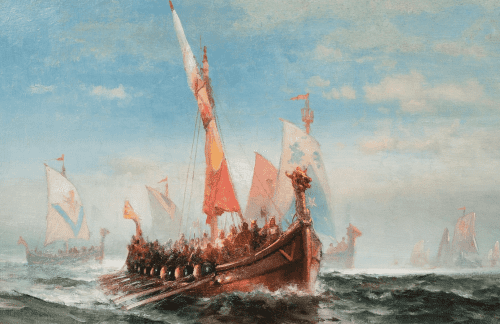
KS2 Example Planner – Vikings Medium Term Planner
Here is a typical example of a medium term plan which exist for all main KS2 topics, in line with…
Read More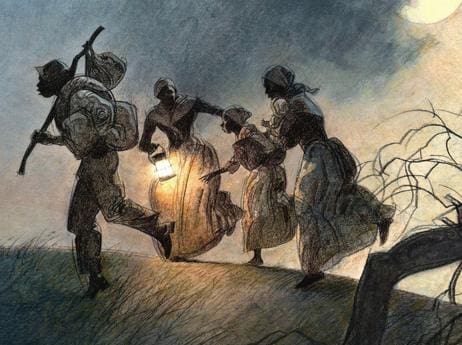
Teaching KS3 History: Black Peoples of the Americas and slavery
The title of this section reflects the fact that the new curriculum should not any longer be boxed up into…
Read More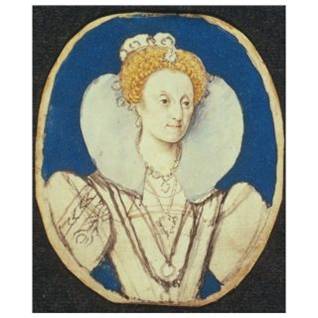
Teaching Life in Tudor Times for KS2
The Tudors from Key Stage 2 history, it is too good a learning experience for pupils for them to miss…
Read More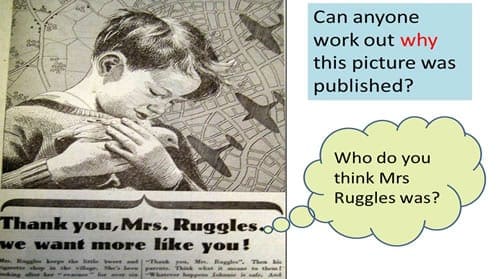
WW2 – KQ2c – Extending the BBC website on Eric the evacuee
The BBC children’s history section has been in touch with the school asking for their help in extending their website…
Read More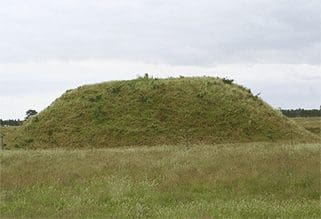
Anglo-Saxons – KQ2 – The mystery of the empty Saxon grave
This highly engaging lesson places pupils in the role of detectives. After a short briefing they have to work out…
Read More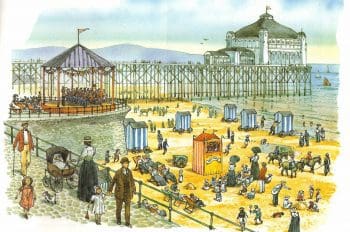
Going to the seaside – KQ2 – What did people do at the seaside 100 years ago?
From mime to movie. SMART TASK This fun activity is carried out by children working on tables of six. Half…
Read More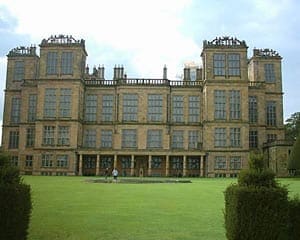
Life in Tudor Times – KQ3 part 2 – Linking history with numeracy; a Tudor enquiry
More glass than wall? Is this a fair description of Hardwick Hall? And how do we find out? This SMART…
Read More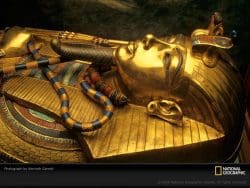
Ancient Egypt – KQ3 part 1 – The opening of Tutankhamun’s tomb
The opening of Tutankhamun’s tomb: a brilliant reconstruction relay The activity that forms the basis of this lesson is called…
Read More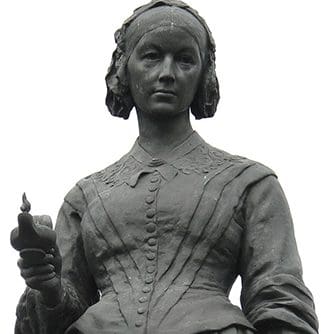
Smart task Florence Nightingale and Mary Seacole: Who said it? / Who am I?
This simple task encourages children to spot the differences between Florence Nightingale and Mary Seacole. With a large A4 image…
Read More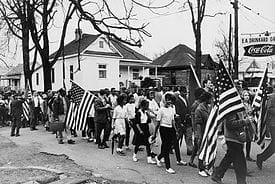
Free at Last? How far had the Civil Rights Movement come by 1963?
How far have Afro-Americans come in their struggle for equality over the last 160 years? With many schools operating a…
Read More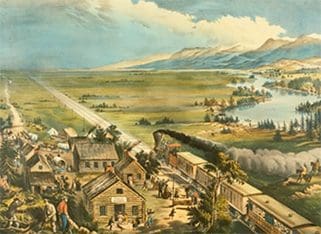
SMART TASK: A history puzzle – Opening up of the Western frontier by the railroads. A history mystery
This history puzzle focuses on a well-known painting, Across the Continent, but one which is actually more puzzling than might at…
Read More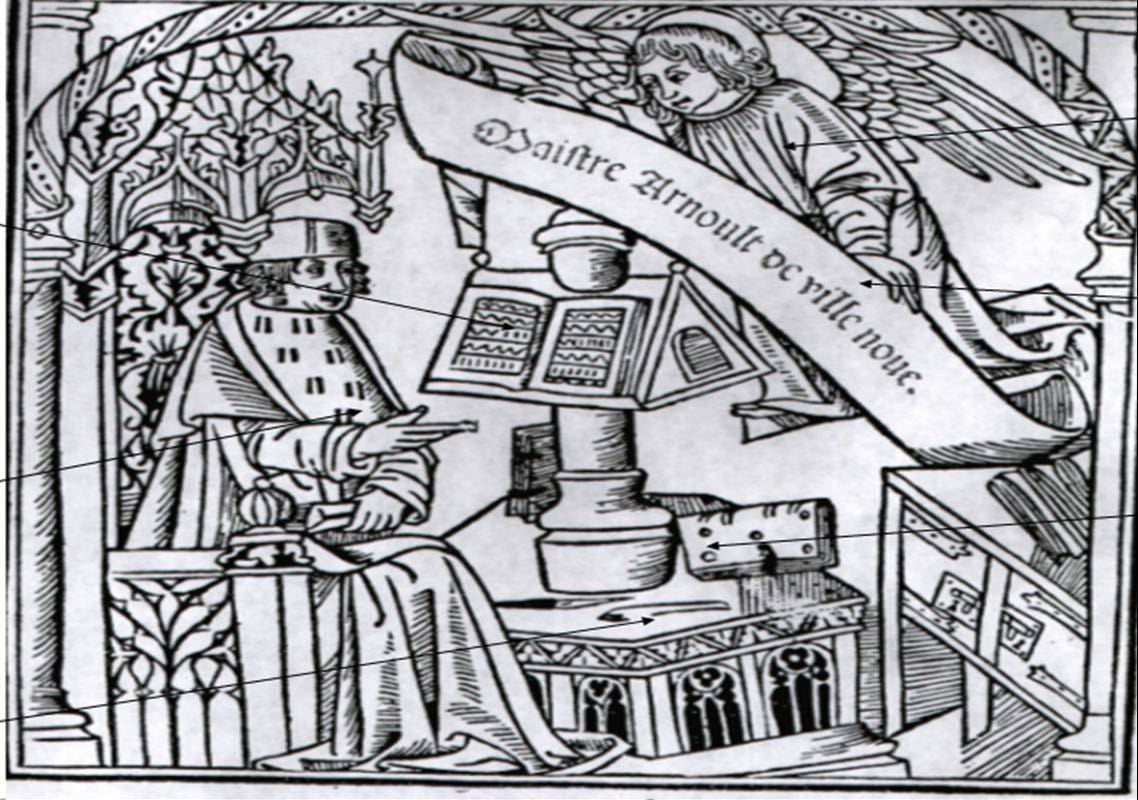
SMART TASK: Medieval medicine. What can we work out from the picture?
A smart task based on an original idea from Lorna Hunter, of Swanmore Technology College. This deceptively simple example of…
Read More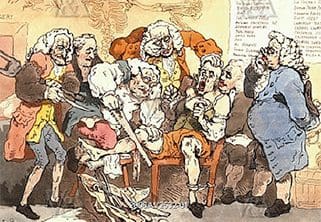
SMART TASK Key Stage 4: GCSE SHP Medicine: 18th century surgery
This quick activity asks students to explore the detail in Rowlandson’s cartoon called ‘Amputation’. They score one mark for each…
Read More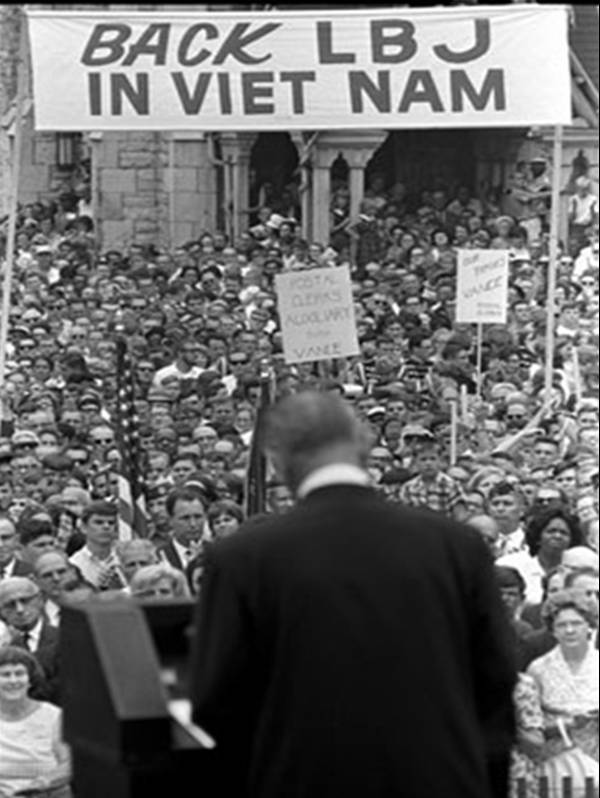
Smart Task: How popular was the Vietnam war? What can we learn from just two photographs?
This simple starter uses just two contrasting photographs, one showing the popularity of Johnson’s policy towards Vietnam, the other opposition…
Read More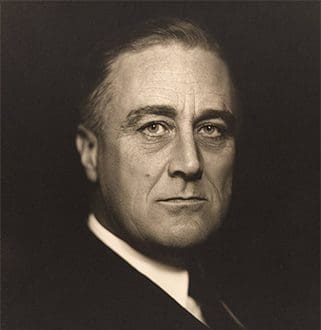
Hoover’s rubbish: Roosevelt moves in
This lesson on a fairly familiar theme approaches GCSE cartoon analysis in a different way. Instead of showing the students…
Read More
Thoroughly Modern Millie: How do we know this song is about Flappers? A quick musical starter
Students are given the lyrics of a song about flappers (copy provided) and have to find 10 references that prove…
Read More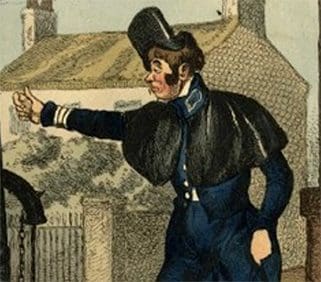
GCSE SHP Crime and Punishment: The Metropolitan police force in 1830: SMART TASK
This quick starter uses the slow reveal technique which encourages students to explore parts of a cartoon in a particular…
Read More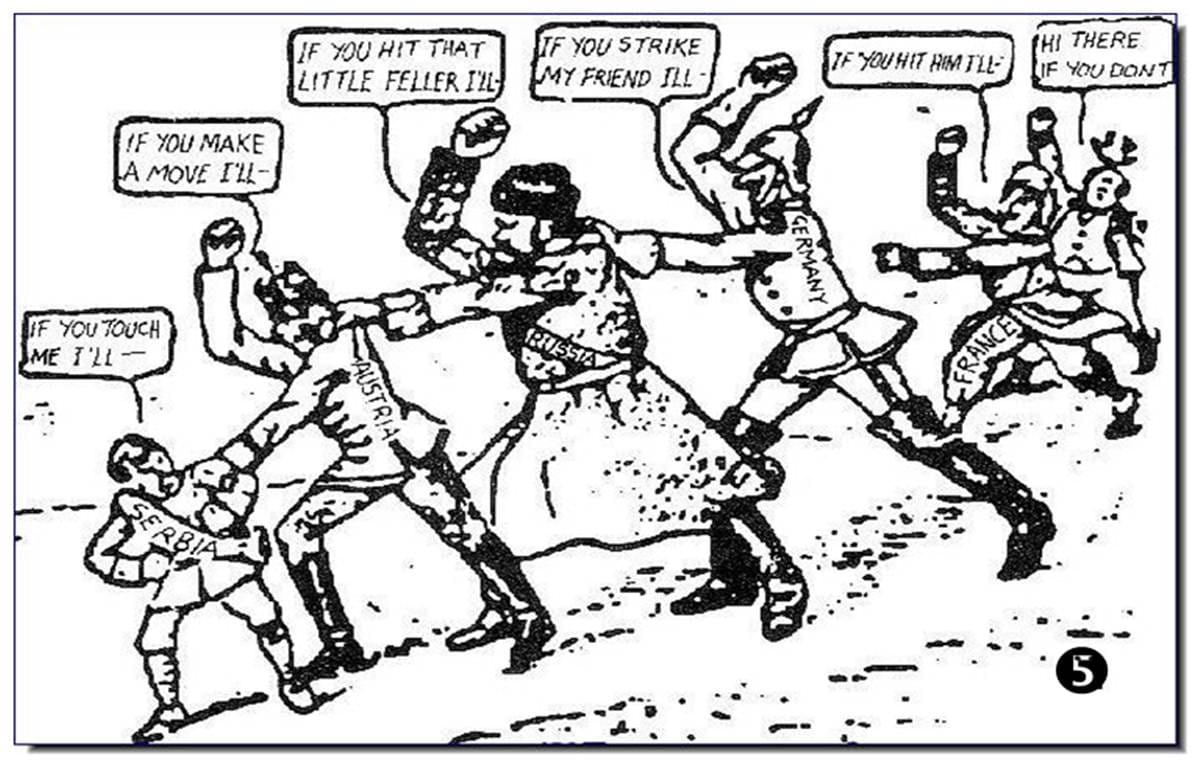
How well do these cartoons cover the causes of World War One?
In pairs, Y9/GCSE students visit 9 different cartoons posted around the wall. They have to work out: a. Which cause…
Read More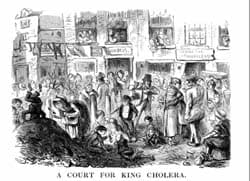
Court of King Cholera: Where am I in the picture?
This activity works in two ways; it activates pupils’ prior knowledge in a fun way and raises questions about conditions…
Read More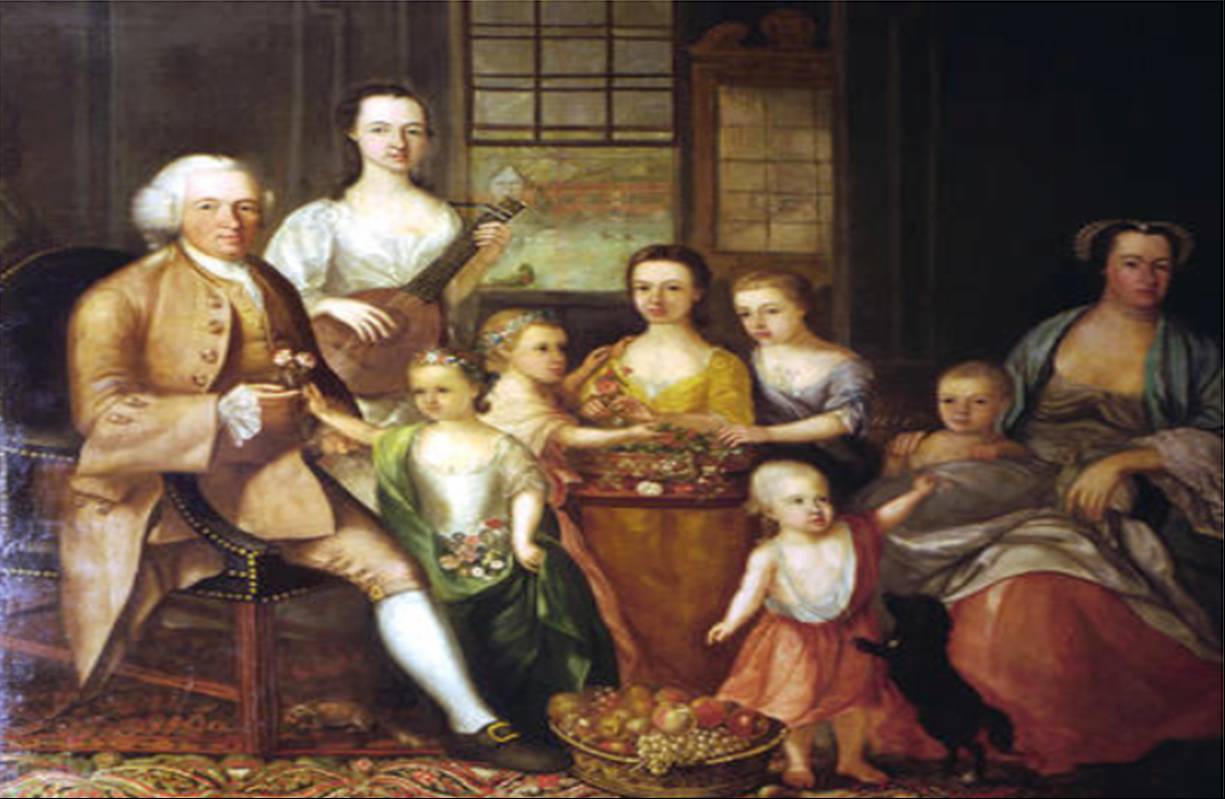
Puzzle corner 3: the strange case of the missing slave
Pupils will find that this example of a black slave, painted out of an eighteenth century painting of a tobacco…
Read More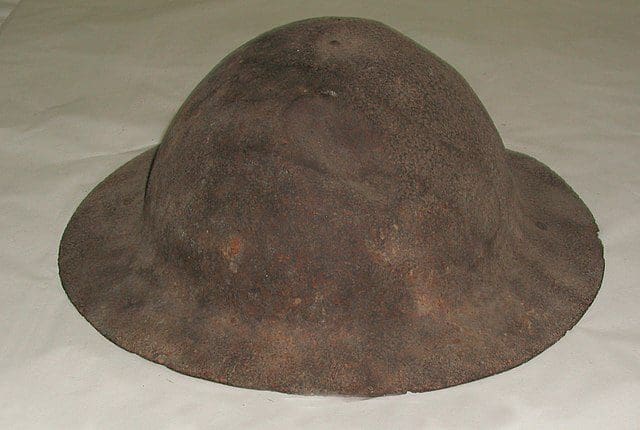
Puzzle corner: The strange case of the steel helmet
A short intriguing starter activity for pupils presents them with a puzzle to solve. In the First World War, why…
Read More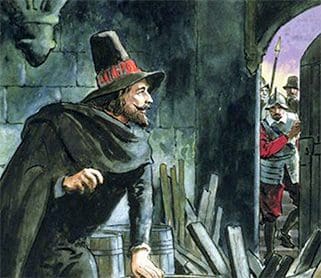
The Gunpowder Plot: Prove it using a gallery of images
This skilfully differentiated lesson places pupils in the role of detectives that have to find evidence to back up statements…
Read More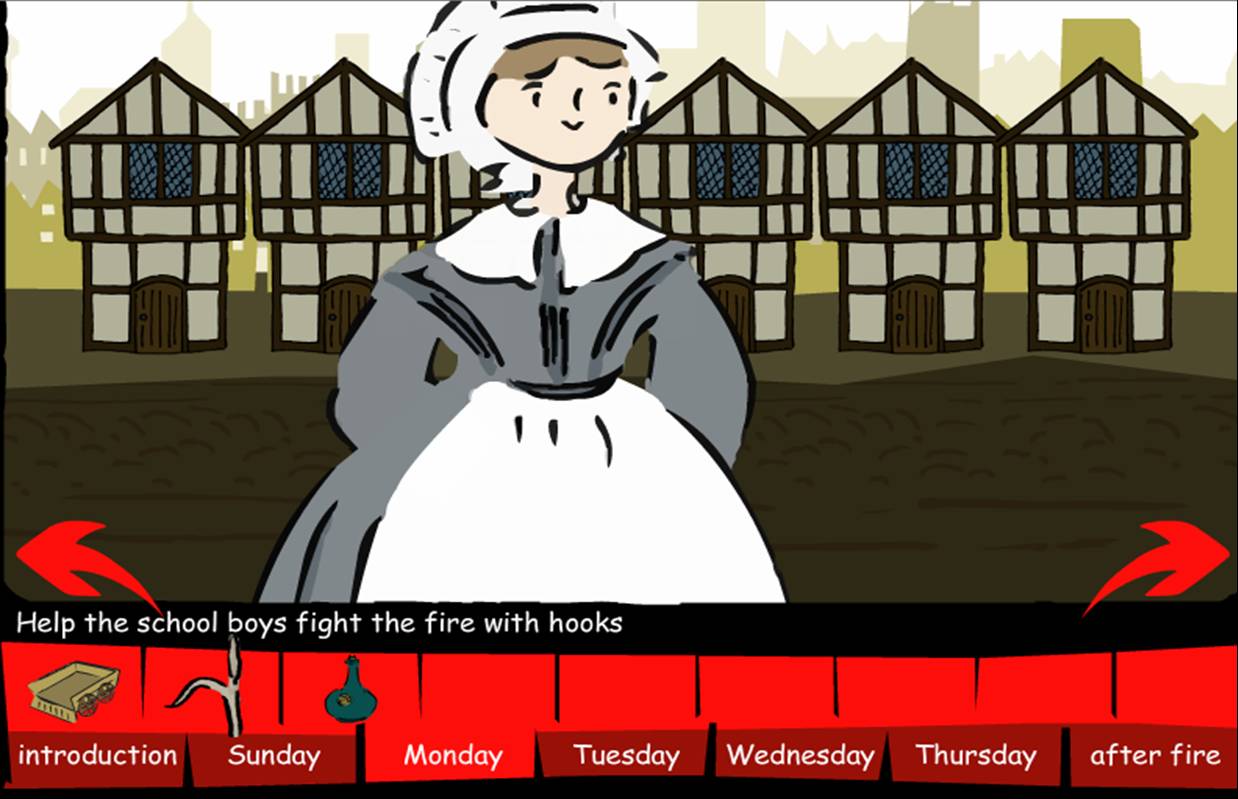
Help Tom to fight the Great Fire. Smart Task
This ICT based activity draws heavily on the superb new website created as a joint enterprise by the National Archives,…
Read More
Italian foreign policy-outstanding lesson
At what point did Mussolini seem to side more with Germany than with Britain or France? Students arrive at the…
Read More
How will your school commemorate the end of World War One?
This short advice sheet invites schools to consider how they will commemorate the centenary of armistice day and provides an…
Read More
Squeezing the sources dry: how to make the most of source work in GCSE history
The downloadable six page document on answering source-based GCSE questions: matching learning strategies to question type, summarises the best advice…
Read More
Expert Advice: Key Stage 3 and 4 – Using the 4 Bs
Using the 4 Bs to encourage independence You recognise the problem. No sooner have you set a piece of open-ended…
Read MoreFit for purpose teaching Strategies at Key Stage 3
Personalising learning by establishing what students already know about a topic, before beginning teaching. Case study: Comparing students’ initial perceptions…
Read More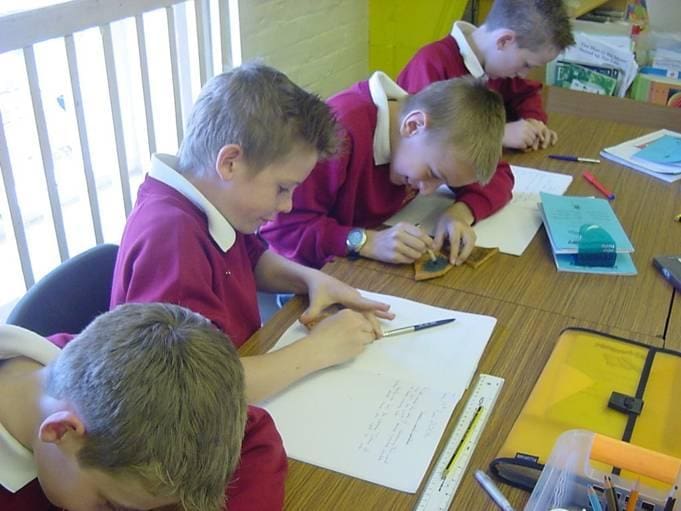
Imaginative learning activities at Key Stage 2
This section accompanies the ones on teaching and learning approaches. It offers you a few ideas you may not have…
Read More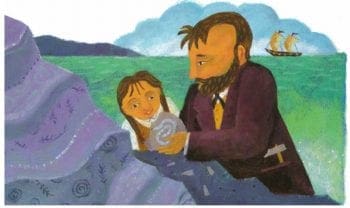
Expert Advice: Key Stage 1 – Mary Anning
She sells sea shells: planning a topic on Mary Anning, Dinosaur hunter, using the Anholt’s Stone girl, Bone girl “Would you…
Read More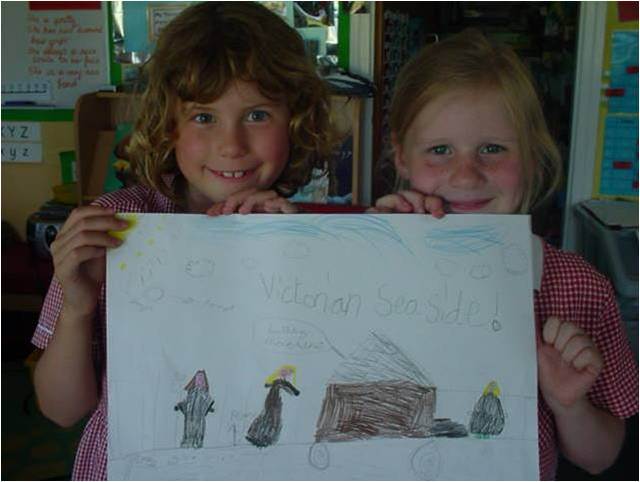
Expert Advice: Key Stage 1 – Planning for a cross-curricular topic on Going to the Seaside
This advice is for KS1 teachers planning a cross-curricular topic and focuses on how to integrate history, geography, literacy and…
Read More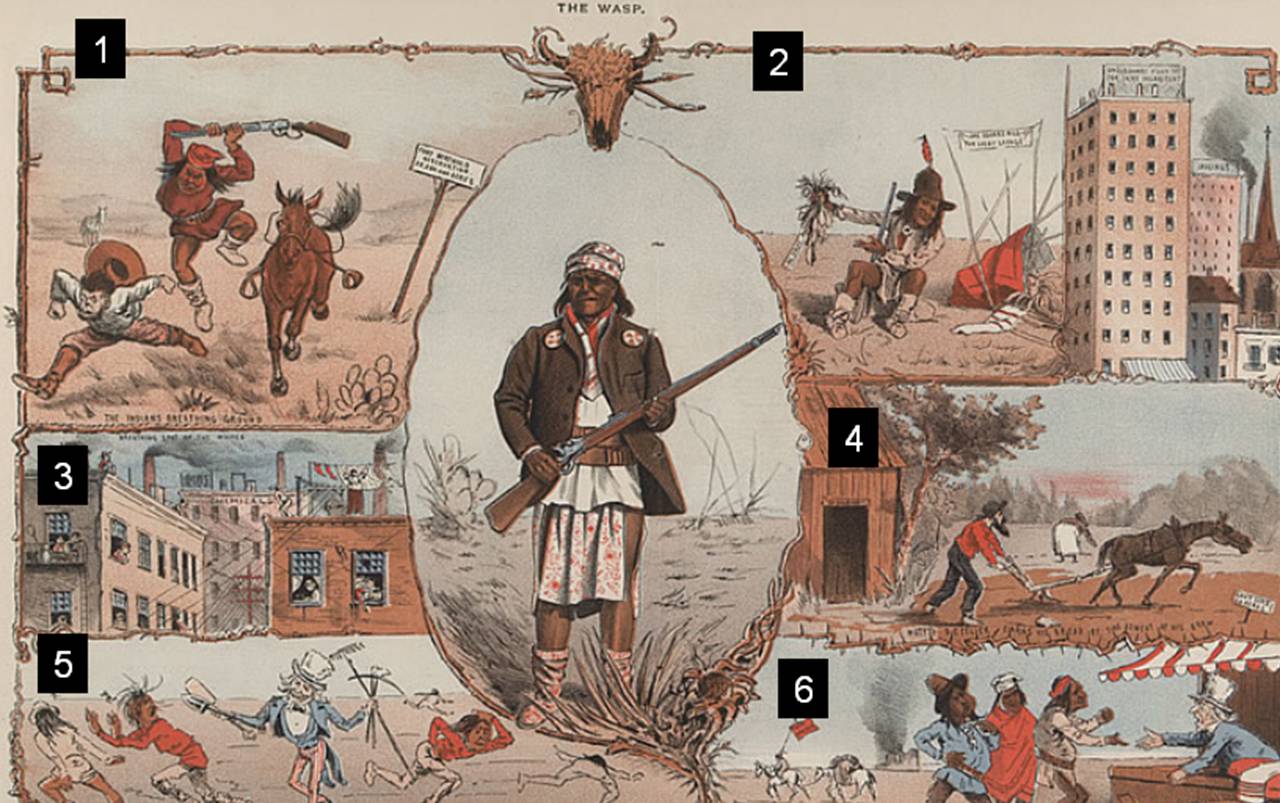
Attitudes of the US government to the native Americans: milking an image for meaning
The simple PowerPoint presents students with an image which has six separate panels for them to investigate. Only by exploring…
Read More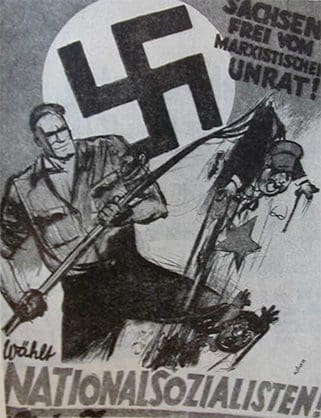
SMART TASK Key Stage 4: Working out what the election posters tell us about Who Voted Nazi
This simple task engages students in thinking for themselves why people voted for Hitler in the 1930s. It uses the…
Read More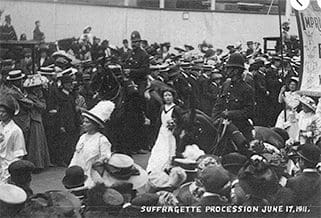
SMART TASK: A Suffragette procession: comparing the evidence
Whether you are studying the OCR unit, AQA or Edexcel you should find this activity helpful. The activity builds on…
Read More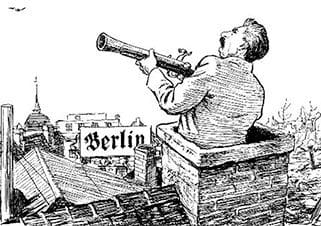
SMART TASK Key Stage 4 Deciphering a Cold War cartoon, using the slow reveal technique.
The interactive PowerPoint presentation of the famous Stalin’ The Birdwatcher’ cartoon encourages students to add layers of meaning as more…
Read More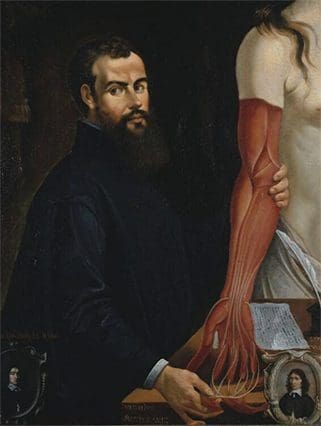
Vesalius’ claim to fame. Using the B.A.D formula to prepare for a BBC interview
The BBC is making a documentary on Renaissance medicine in which they have devoted two minutes to the work of…
Read More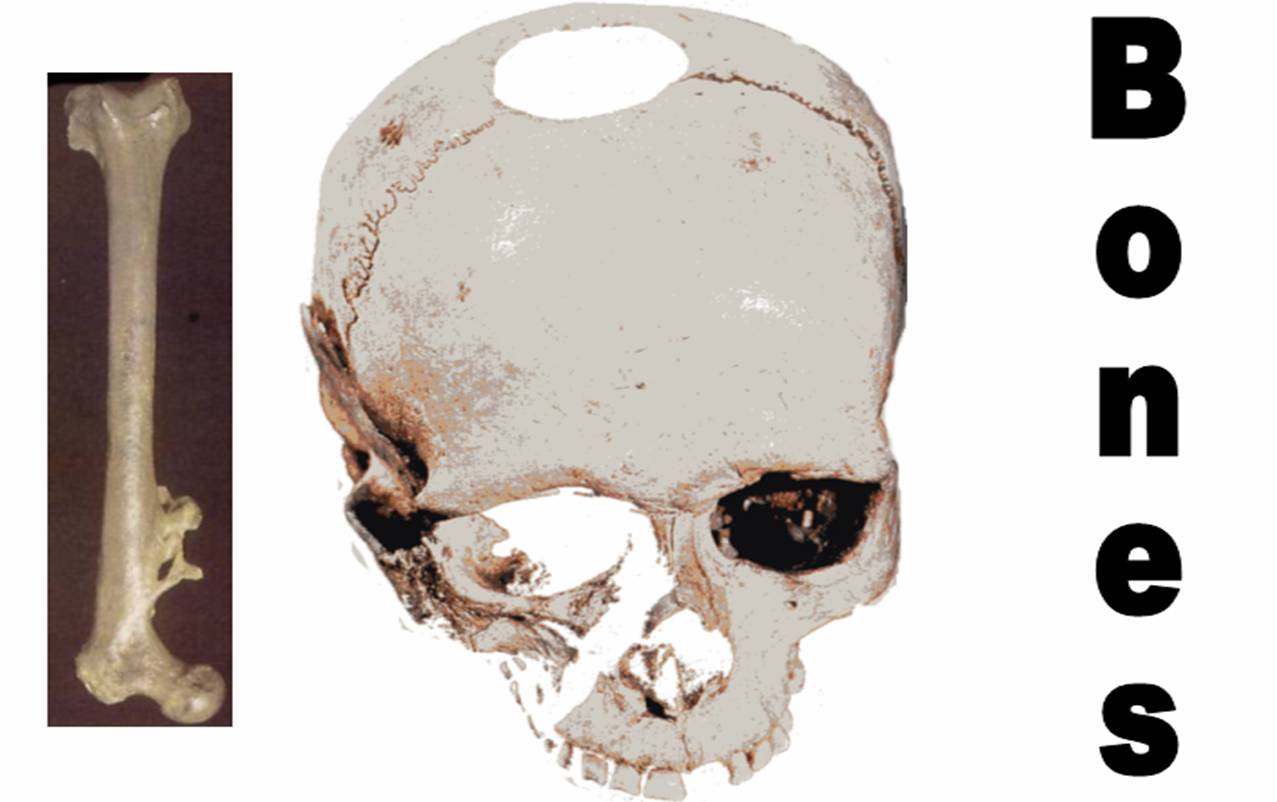
Prehistoric Medicine: Getting your GCSE course off to a great start
This lesson was taught by Mike Herrity when Head of History at Wildern School, Hedge End, near Southampton. On an…
Read More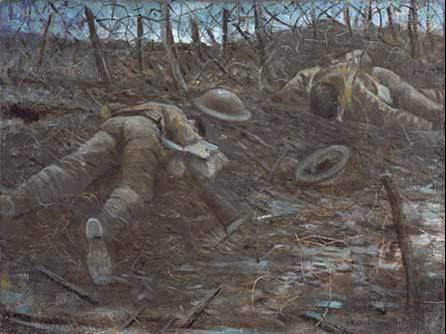
Why was this World War One painting censored?
Students studying Britain during World War One, whether it be for AQA, OCR or Edexcel, need to know about censorship….
Read More
How have cartoonists portrayed the Liberals Old Age Pensions reforms?
This lesson takes a familiar cartoon but gives it an original twist. Instead of seeing the cartoon all at once,…
Read More
Battalion 101. Why did they shoot? A history mystery
This lesson could be used as part of a Year 9 course or with the Germany module of Y10/11 SHP…
Read More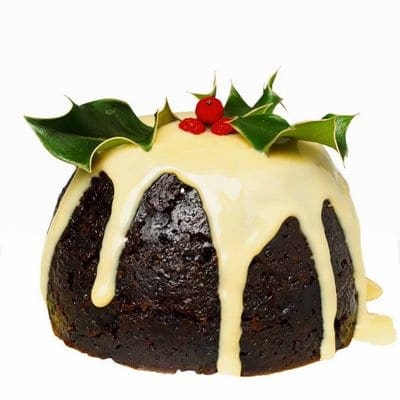
What can we learn about the Empire from a Christmas pudding?
This lesson starts with a simple fun activity, working competitively in teams to locate the source of ingredients for an…
Read MoreWhat made runaway slaves successful?
This short enquiry enables pupils to come up with their own ideas about runaway slaves working from first hand evidence…
Read More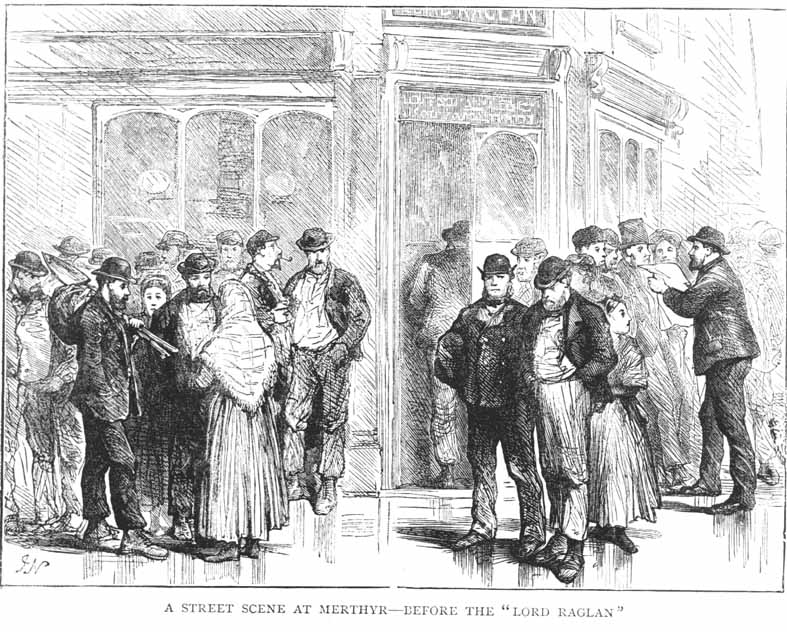
If life was so hard in Victorian cities, why did Wilf move his family there?
If life was so hard for families in the towns why did so many leave the countryside and move to…
Read MoreThe mystery of the empty Saxon grave
This highly engaging lesson places pupils in the role of detectives. After a short briefing they have to work out…
Read More
Eric the evacuee
Extending the BBC website on Eric the evacuee The BBC children’s history section has been in touch with the school…
Read More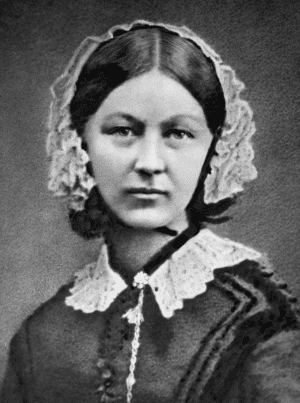
Florence Nightingale Lesson and sample planner
Fighting Fit. What did Florence do to improve the lives of the soldiers when she arrived in the Crimea? One…
Read More
Assessment for learning in Primary history
Assessment for Learning is much vaunted and many faceted. If we break down what it means in its constituent parts,…
Read More
Long term planning for history at Key Stage 1
Superficially, Key Stage 1 seems the least complex history curriculum to plan because the burden of content to be covered…
Read More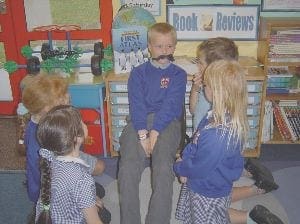
Thinking skills in history at Key Stage 1
There is nothing particularly radical about using a thinking skills approach to history at Key Stage 1, but there are…
Read More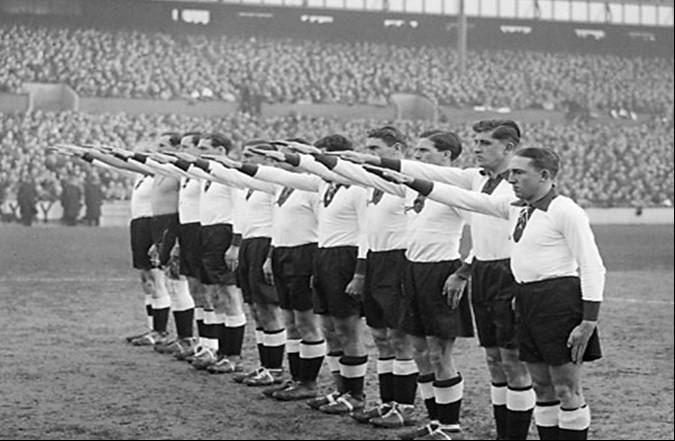
GCSE Modern World history: Using history of football to interest boys in Inter-war relations 1919-39
If you have ever found it difficult to motivate boys looking at the Inter-war years from 1919-39, why not try…
Read More